TRUMP, ISRAEL, IRAN, & THE CEASEFIRE ILLUSION

THE CEASEFIRE ILLUSION AND THE NEW GLOBAL STRESS TEST
What looked like a diplomatic breakthrough is now starting to look more like a temporary pause inside a still-active conflict system. The announced ceasefire involving the U.S., Israel, and Iran initially gave markets what they wanted most: a reason to believe the worst-case scenario might be avoided. Oil fell. Stocks rallied. Risk appetite returned. For a moment, the message was simple — the temperature was coming down.
But the deeper story was never just about whether leaders used the word ceasefire. The deeper story was whether the actual machinery of stability had returned. Could ships move safely through the Strait of Hormuz? Would Israel truly reduce the military footprint of the broader conflict? Would Iran accept a pause without testing leverage elsewhere? And could the United States sell this as de-escalation while the region still remained structurally combustible? Those were always the real questions.
Now the picture is becoming more difficult. Israel has said the truce does not apply to Lebanon, and reporting indicates Iran re-closed the Strait of Hormuz after Israeli attacks on Lebanon. That means the agreement appears narrower, more conditional, and more politically useful than economically complete. In other words, markets may have celebrated the headline before the operating reality had actually improved.
This is why this story matters far beyond geopolitics. It reveals how modern markets react to narrative velocity. A ceasefire headline can calm traders instantly, but shipping access, insurance costs, supply reliability, and public trust do not reset just because the first alert looks positive. The world is being reminded again that peace language, and economic stability are not always the same thing.
Is this a real de-escalation, or did markets simply price in peace faster than the region could actually deliver it?

WHAT THE CEASEFIRE ACTUALLY IS — AND WHAT IT IS NOT
At face value, the ceasefire was presented as a two-week pause involving the United States, Israel, and Iran. President Trump publicly tied the arrangement to de-escalation and the restoration of movement through the Strait of Hormuz, which immediately made the story sound like a strategic off-ramp. In public presentation, the White House became the central narrator. Trump threatened escalation, then positioned himself as the figure capable of pausing it. That sequence made the story easy for U.S. media to package: pressure, leverage, then pause.
But the agreement was never presented with the clarity of a durable treaty. The exact terms were disputed almost immediately. Reporting suggested that the parties were not fully aligned on what the ceasefire covered, what Iran would be allowed to do in Hormuz, and the obligations regarding broader regional activity. Israel’s position also introduced a critical limitation by excluding Lebanon. Once that became public, the ceasefire stopped looking like a clean regional halt and began to look like a partial compartmentalization of the conflict.
That distinction matters. A true ceasefire lowers military risk across the conflict theater. A narrow pause only shifts where pressure can appear next. If one front calms while another remains active, the system can still transmit fear through trade routes, political messaging, supply expectations, and market psychology. The region may be less explosive than it was hours earlier, but it is not truly settled.
So what is this agreement, really? It is best understood as a provisional de-escalation window. It is not a final peace arrangement. It is not a full regional halt. There is no proof that strategic tensions have been resolved. It is a temporary political structure designed to stop immediate escalation long enough for diplomacy, messaging, and market relief to take effect. Whether that work lasts is a separate question entirely.
When leaders announce a ceasefire without a fully shared interpretation of the terms, should markets trust the headline at all?

WHY THIS STORY MATTERS FAR BEYOND OIL
Most people hear a story like this and think first about crude oil prices. That makes sense, but it is far too narrow. The real economic importance of this ceasefire lies within a broader chain reaction: energy flows, shipping confidence, trade continuity, insurance pricing, inflation expectations, and consumer psychology. The Strait of Hormuz is not just a symbol. It is one of the world’s most sensitive economic chokepoints. When confidence in that corridor breaks down, the impact spreads well beyond oil traders. It reaches freight costs, input prices, business planning, and household stress.
A fragile ceasefire can temporarily interrupt that chain reaction. If traders believe maritime activity will normalize, oil prices fall, risk appetite improves, inflation fears soften, and the pressure on central banks eases slightly. That is why markets responded so quickly to the initial announcement. A lower geopolitical risk premium does not just affect one commodity. It affects how investors think about future pricing across the economy.
But this is exactly why the details matter so much. If the ceasefire reduces fear without fully restoring physical flows, economic relief remains incomplete. Businesses may still face higher insurance bills. Shipping firms may still reroute or hesitate. Manufacturers may still worry about delivery certainty. Consumers may still see only fragile gas-price relief, not durable relief. In that scenario, the economy absorbs the psychological benefit before it receives the full operational benefit.
This matters even more in a weak confidence environment. When the U.S. economy and job markets already feel under strain, Americans do not need another full-scale spike in uncertainty. A ceasefire, even a fragile one, can reduce ambient economic fear. It can make households feel that inflation may cool rather than re-accelerate. It can make businesses less defensive. And it can briefly reduce the sense that every overseas shock is about to become another domestic cost burden. That emotional relief is economically relevant because sentiment influences spending, hiring, and investment behavior.
Do you think Americans feel the benefit of a ceasefire through actual prices first, or through the emotional relief that maybe things will not get worse next week?

THE RELIEF RALLY — AND WHY IT MAY STILL BE TOO EARLY
The first market reaction made perfect sense. Oil dropped as traders priced in lower disruption risk. Stocks rallied because a reduction in war risk usually supports a broader appetite for equities, especially in sectors that are sensitive to fuel costs and consumer confidence. Emerging markets also found relief, because a calmer Hormuz reduces imported-energy stress and lowers the odds of another broad inflation shock washing across fragile economies.
But the first reaction is not always the final truth. Markets are excellent at repricing headlines quickly. They are much slower when they have to reprice operational complexity. If shipping access remains uncertain, if marine insurance stays elevated, or if Israel’s continuing activity in Lebanon keeps the region unstable, then the relief trade becomes more conditional than it first appears. Traders may have correctly priced lower immediate fear while still underpricing the possibility that the underlying system remains clogged.
This is where investors need discipline. A ceasefire headline can produce a fast, emotionally satisfying rally. But sustainable follow-through requires confirmation from the real world. Are tankers moving? Are insurers backing down from war premiums? Are freight expectations improving? Are bond yields stabilizing for the right reasons? Are fuel-sensitive sectors holding gains because costs are truly easing, or simply because traders wanted a reason to buy relief? Those are two very different market environments.
The key idea here is simple: the market has voted, but the supply chain has not fully certified the result. That gap between financial optimism and logistical proof is often where the next opportunity — or the next disappointment — appears.
Are we looking at the beginning of a real relief cycle, or just the first move in a rally that still needs to be validated by trade and shipping data?
@officialpageofak Everyone Is Panicking… That’s Exactly Why They’ll Lose Money #marketcrash #stockmarket #stocks #investingforbeginners ♬ original sound - Akbar Ali

WHO BENEFITS, WHO STAYS EXPOSED, AND WHO STILL HAS PRICING POWER
If this ceasefire holds in a meaningful way, the first beneficiaries will be the industries that most hate fuel spikes and uncertainty. Airlines, travel operators, trucking-heavy businesses, logistics users, retailers with significant shipping exposure, and manufacturers dependent on energy-sensitive inputs all stand to gain from reduced transport stress and improved cost visibility. These are the businesses that often perform better as the geopolitical risk tax starts to ease.
But the story is not that clean. Some sectors may only enjoy sentiment relief while still facing real-world pressure. Shipping-linked businesses and marine insurers operate on proof, not hope. If routes remain uncertain or war-risk premiums stay elevated, then the ceasefire may improve headlines without fully improving cost structures. That creates a strange in-between zone where equity markets celebrate, but operational teams remain cautious.
Defense is another important area. A temporary pause may reduce the urgency trade around direct escalation, but it does not erase the broader policy trend toward security spending, missile defense, naval readiness, drones, cyber systems, and regional deterrence infrastructure. Governments do not usually forget episodes like this. They budget around them. So even if the market briefly rotates away from pure crisis positioning, the longer policy signal may still favor defense and security-related demand.
Then there are sectors that quietly live downstream from this whole event: chemicals, industrial inputs, agriculture-related supply chains, packaging, and consumer staples. These businesses do not always move in headlines, but they feel the consequences when freight costs rise, input flows slow, or pricing pressure returns. Investors who only watch oil miss where the second-order margin story is hiding.
So the business impact splits into three layers: direct beneficiaries from lower fuel stress, structurally cautious players who still need proof, and long-duration policy beneficiaries tied to a world that now treats strategic chokepoints as a permanent part of economic planning.
Which matters more for investors here — the sectors that bounce first on relief, or the sectors that benefit later once the world fully reprices long-term instability?

THE SIGNALS THAT MATTER MOST DURING THE TWO-WEEK WINDOW
The smartest way to approach this story is not to guess the headline. It is to track the confirmation signals. During the ceasefire window, the most important question is whether financial relief turns into logistical and economic relief. That means investors should watch energy prices, but not stop there. The more informative signals lie beneath the surface: tanker movements, marine insurance pricing, freight conditions, gasoline pass-through, bond behavior, and how specific sectors respond as the first wave of excitement fades.
Start with Hormuz itself. If shipping access genuinely improves, that would be one of the strongest signs that the ceasefire is becoming operationally meaningful. Watch whether insurers reduce war-risk premiums. Watch whether shipping firms return with confidence instead of caution. If trade movement improves while oil stays calmer, that is a more durable bullish signal for transport, consumer, and industrial names.
Then watch how the macro markets behave. If Treasury yields calm, inflation expectations stop rising, and fuel-sensitive equities hold gains, then the market is beginning to believe that this was not just a headline fakeout. But if the initial rally fades while insurance and freight stress stay high, then the market may have gotten ahead of itself.
Also watch diplomacy. The ceasefire will not become more investable because the rhetoric sounds good. It becomes more investable when negotiations produce enforceable clarity. That includes scope, geography, route access, and what each party is allowed to do without re-triggering disruption. Markets can handle bad news better than vague news. Uncertainty is usually the more corrosive factor.
So the watchlist is simple in structure, but powerful in interpretation: oil, shipping, insurance, fuel-sensitive sectors, defense names, bond yields, and negotiation clarity. Those are the indicators that tell you whether this ceasefire is becoming a true easing event or just another short-lived volatility break.
If you had to trust only one signal over the next two weeks, would you trust oil prices, shipping data, or how transport and consumer stocks actually behave?

WHAT THIS CEASEFIRE REVEALS ABOUT POWER, NARRATIVE, AND LEVERAGE
The deepest truth in this story is that modern power is no longer measured only by who can strike hardest. It is measured by who can control the narrative, who can shape the market reaction, who can influence trade corridors, and who can impose uncertainty on the rest of the world at the lowest cost to themselves. That is why this ceasefire matters. It is not just about war and peace. It is about leverage.
Trump understood the narrative dimension immediately. By becoming the public face of escalation and then of pause, he placed himself at the center of the story. Israel remained deeply relevant, but the American political lead made Trump the dominant character in U.S. coverage. Iran, meanwhile, retained leverage by reminding the world that chokepoints and regional alignment still matter. None of the parties needed a full settlement to prove influence. They only needed to demonstrate that their moves could shift the global conversation and alter pricing behavior.
That is the deeper lesson for viewers and investors. Markets no longer respond only to fundamentals. They respond to controlled perception, selective ambiguity, and the weaponization of timing. A temporary deal can move billions in value. A limited strike can alter inflation expectations. A disputed shipping corridor can reshape sentiment from Wall Street to Main Street. This is what power looks like in a hyper-financialized geopolitical system.
And for ordinary citizens, that is both clarifying and unsettling. It means the cost of living, job confidence, and emotional stability can be influenced by decisions made far outside their control. But it also means that learning how these systems work gives people a sharper lens. The average person may not control the event, but they can begin to understand the pattern: conflict drives risk, risk drives prices, prices drive mood, and mood drives behavior.
Is the real source of power today military force alone, or the ability to move markets and public psychology before the full facts are even settled?

THE HEADLINE SAID PEACE — THE SYSTEM STILL SAYS CAUTION
So where does that leave us? It leaves us in a world where a ceasefire can still matter enormously, even if it is incomplete. It can calm markets. It can reduce fear. It can buy time. And in a fragile economic moment, those things are not small. But it also leaves us with a warning: do not confuse headline relief with structural resolution.
This agreement has already shown both sides of that truth. The initial announcement reduced fear and improved sentiment. The follow-up developments reminded everyone that the conflict remains active, the scope remains disputed, and the economic system still has reasons to remain on edge. That is why this story belongs in economic analysis as much as in foreign policy analysis. It is a live case study in how geopolitics moves money, how uncertainty shapes behavior, and how quickly global pressure can show up in everyday life.
For investors, the message is to stay alert, not emotional. Watch the confirmation signals. Let logistics validate the optimism. Respect the fact that the market can be directionally right and still early. For citizens, the message is more human: moments like this remind us how deeply connected our costs, our confidence, and our sense of stability are to events far beyond our own borders.
The headline said peace. The system still says caution. And that tension is exactly where the next chapter of this story will be written.
As this story develops, what will you trust more — the headline, the market reaction, or the real-world proof underneath both?

Subscribe For More Insights, Investments, & Initiatives
STOCK MARKET TRENDS
Uncover the latest in stock market dynamics as we analyze trends, discuss market movers, and provide actionable insights to empower listeners in navigating the ever-changing landscape of financial markets.
CRYPTOCURRENCY INSIGHTS
Dive deep into cryptocurrency with expert insights, breaking down complex concepts, exploring new projects, and staying ahead of the curve in this fast-paced and transformative space.
FOREX TRADING STRATEGIES
Elevate your forex trading game with our podcast, where we share practical strategies, explore global economic factors impacting currency markets, and provide practical tips to enhance your trading skills.
REAL ESTATE MARKET UPDATES
Navigate the real estate market with confidence. From housing trends to investment strategies, we provide comprehensive updates, expert opinions, and practical advice to keep you ahead in the real estate game.
SPORTS BETTING
Explore the exciting world of sports betting as we analyze odds, share betting strategies, discuss game predictions, and provide insights to help you make informed decisions in sports wagering.
MARKETING INNOVATIONS
Explore the cutting edge of marketing with discussions on the latest trends, innovative campaigns, and digital strategies. Whether you're a marketer or simply curious, our podcast decodes the ever-evolving world of marketing innovations.
ECONOMIC DEVELOPMENTS
Stay informed about the latest economic developments worldwide. Our podcast breaks down key indicators, government policies, and global economic shifts, offering valuable insights for businesses and individuals.
ENTREPRENEURIAL SUCCESS STORIES
Get inspired by the journeys of successful entrepreneurs as we bring you firsthand accounts of challenges, triumphs, and lessons learned. Fuel your entrepreneurial spirit with stories that motivate and guide you.

VERBALISM | SEATTLE GRIDIRON GRAY | SIGNATURE COLLECTION HOODIE

VERBALISM | SOUND & FOREST NAVY | SIGNATURE COLLECTION HOODIE
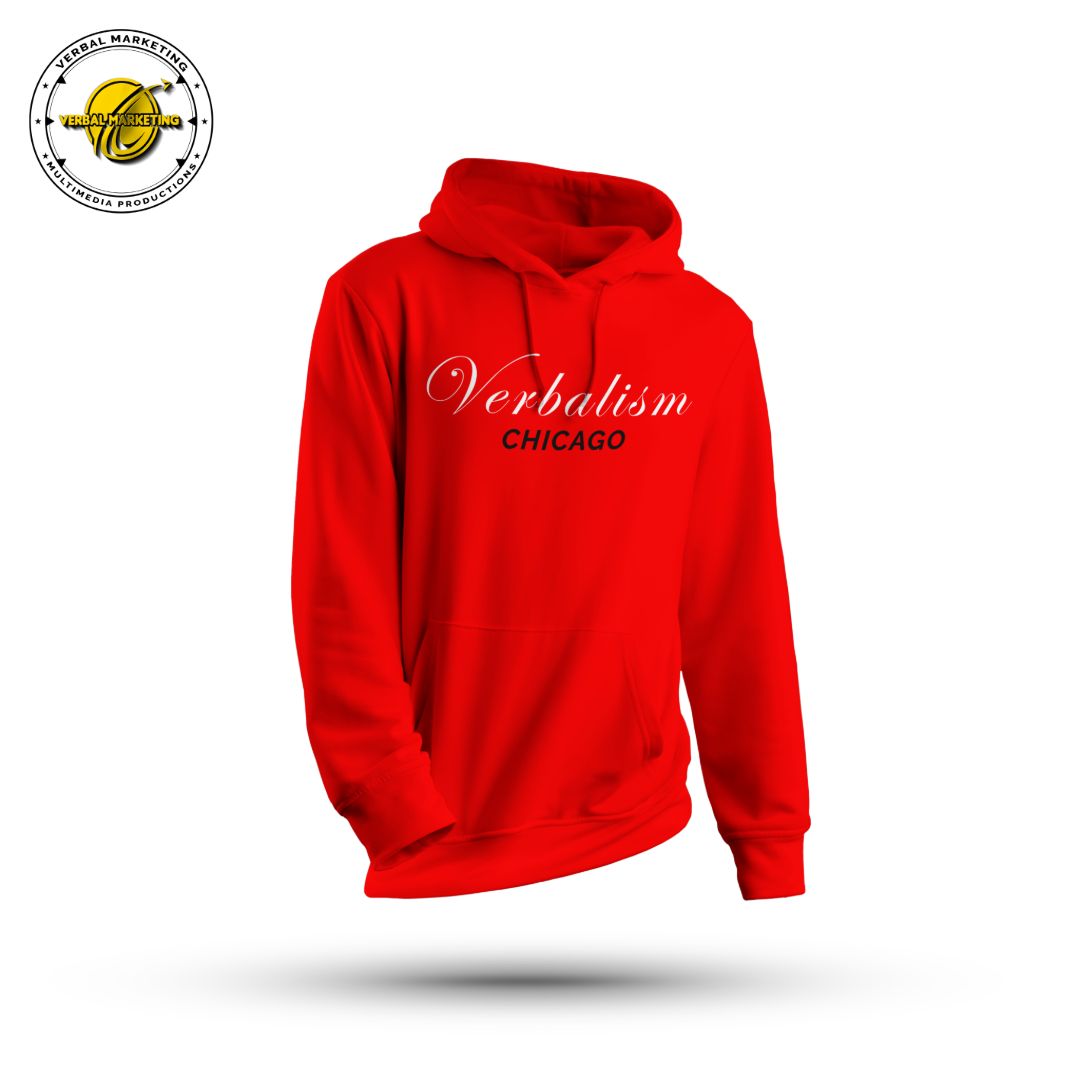
VERBALISM | CHICAGO SEA RED | SIGNATURE COLLECTION HOODIE

VERBALISM | CHICAGO SEA RED | SIGNATURE COLLECTION HOODIE

VERBALISM | B'MORE BLACK | SIGNATURE COLLECTION HOODIE

VERBALISM | BALTIMORE POE PURPLE | SIGNATURE COLLECTION HOODIE
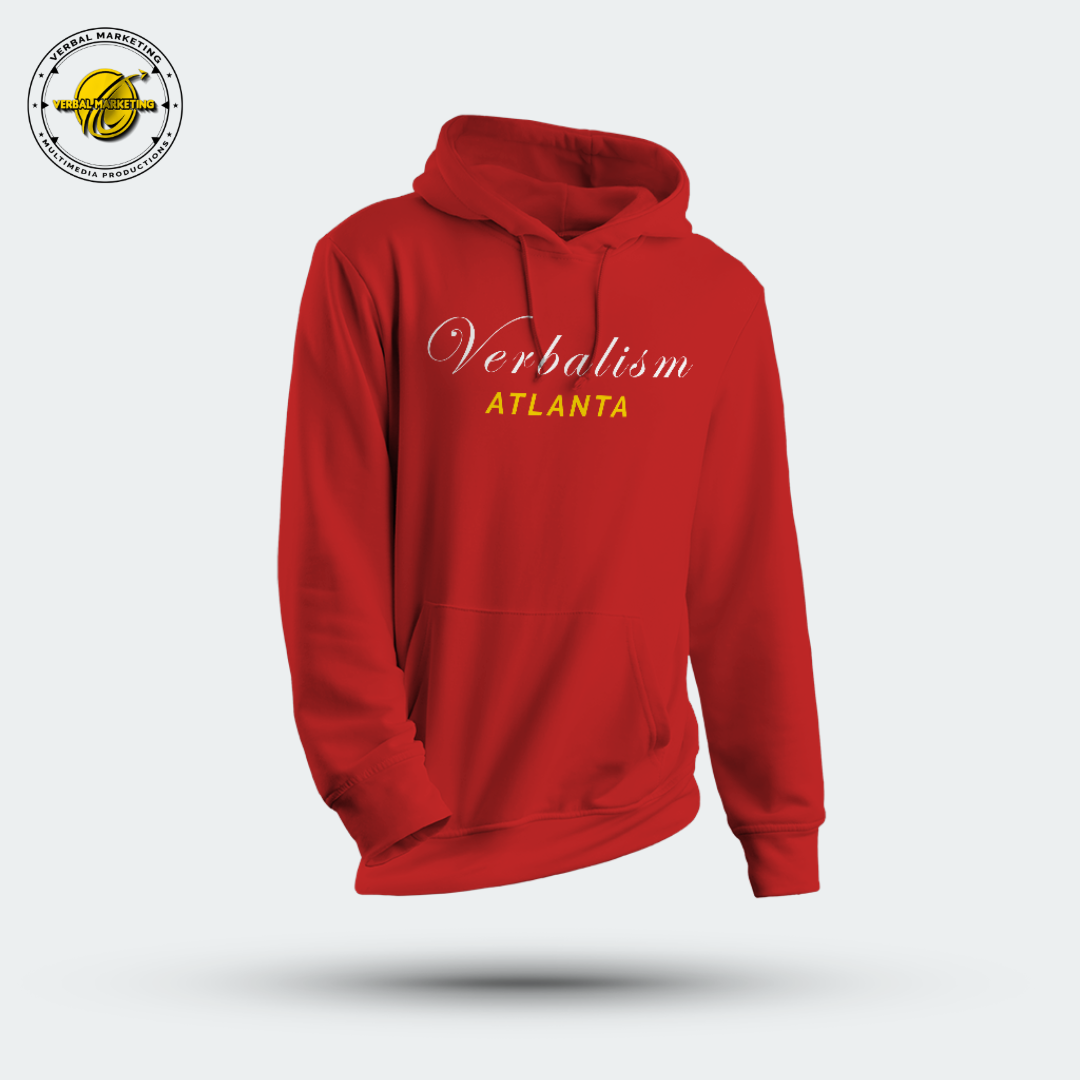
VERBALISM | ATLANTA RED DAWG | SIGNATURE COLLECTION HOODIE

VERBALISM | ATLANTA BLACK FALCON | SIGNATURE COLLECTION HOODIE

VERBALISM | GOTHAM BLUE | SIGNATURE COLLECTION HOODIE

VERBALISM | GOTHAM ORANGE | SIGNATURE COLLECTION HOODIE
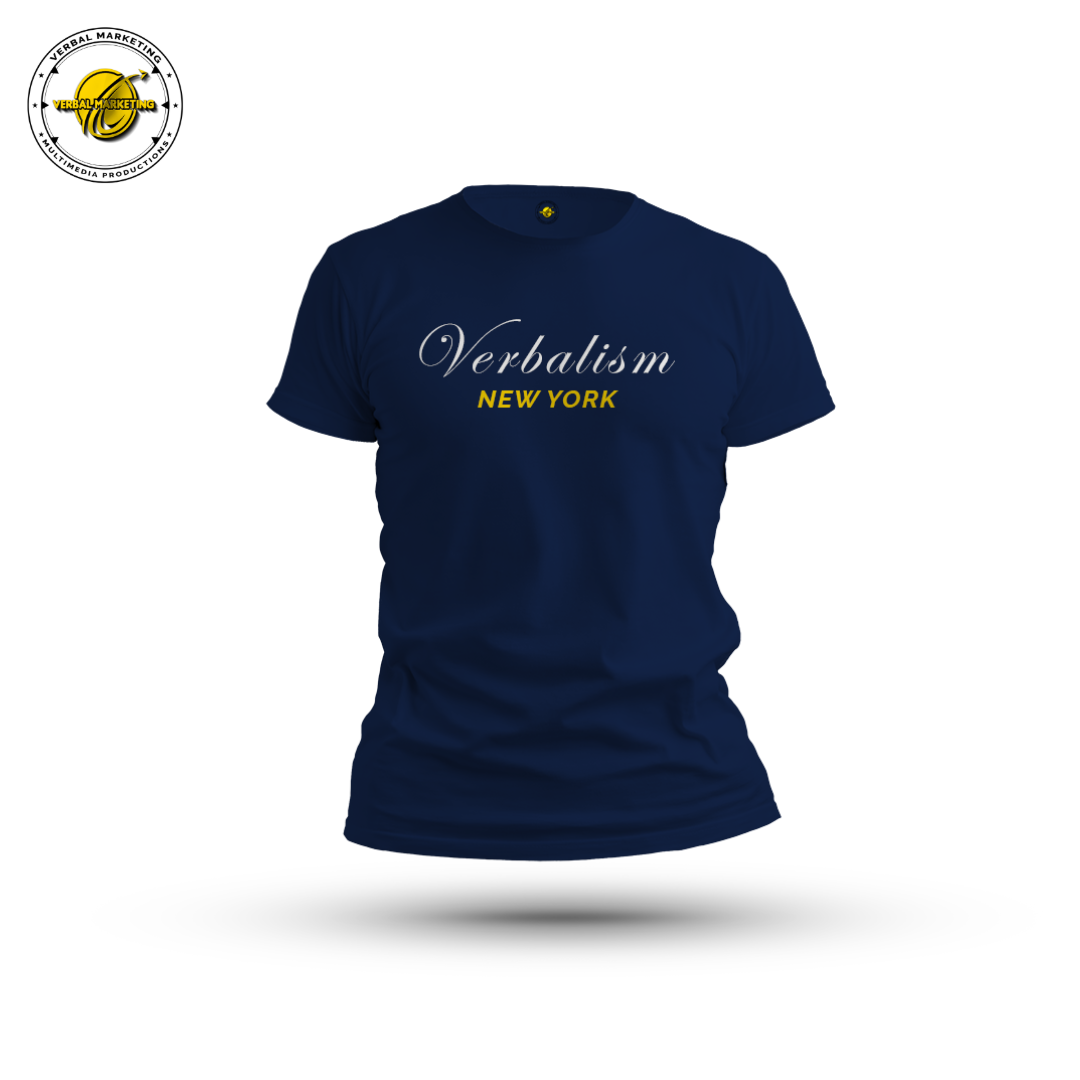
VERBALISM | GOTHAM BLUE | SIGNATURE COLLECTION T-SHIRT

VERBALISM | GOTHAM ORANGE | SIGNATURE COLLECTION T-SHIRT
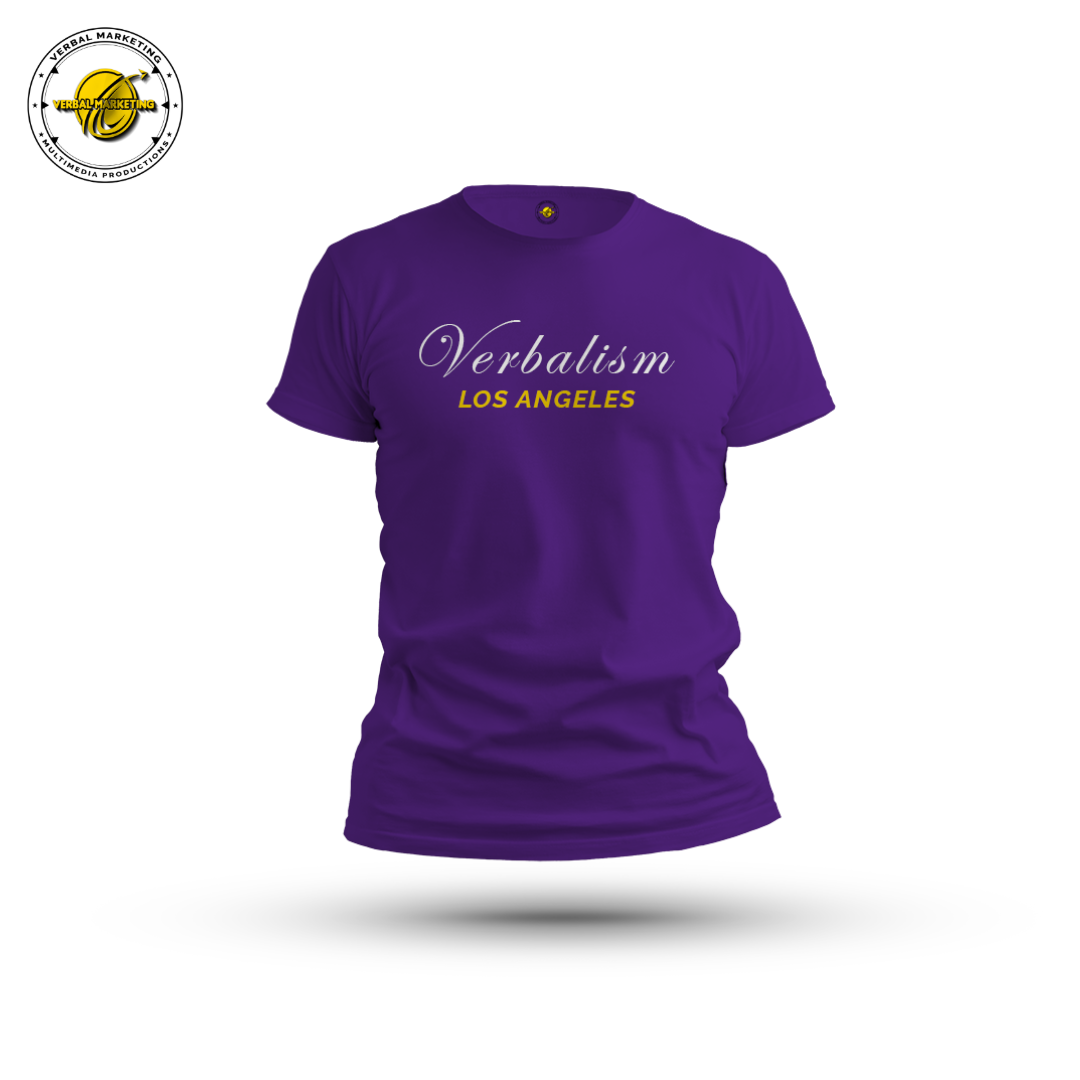
VERBALISM | SHOWTIME PURPLE | SIGNATURE COLLECTION T-SHIRT
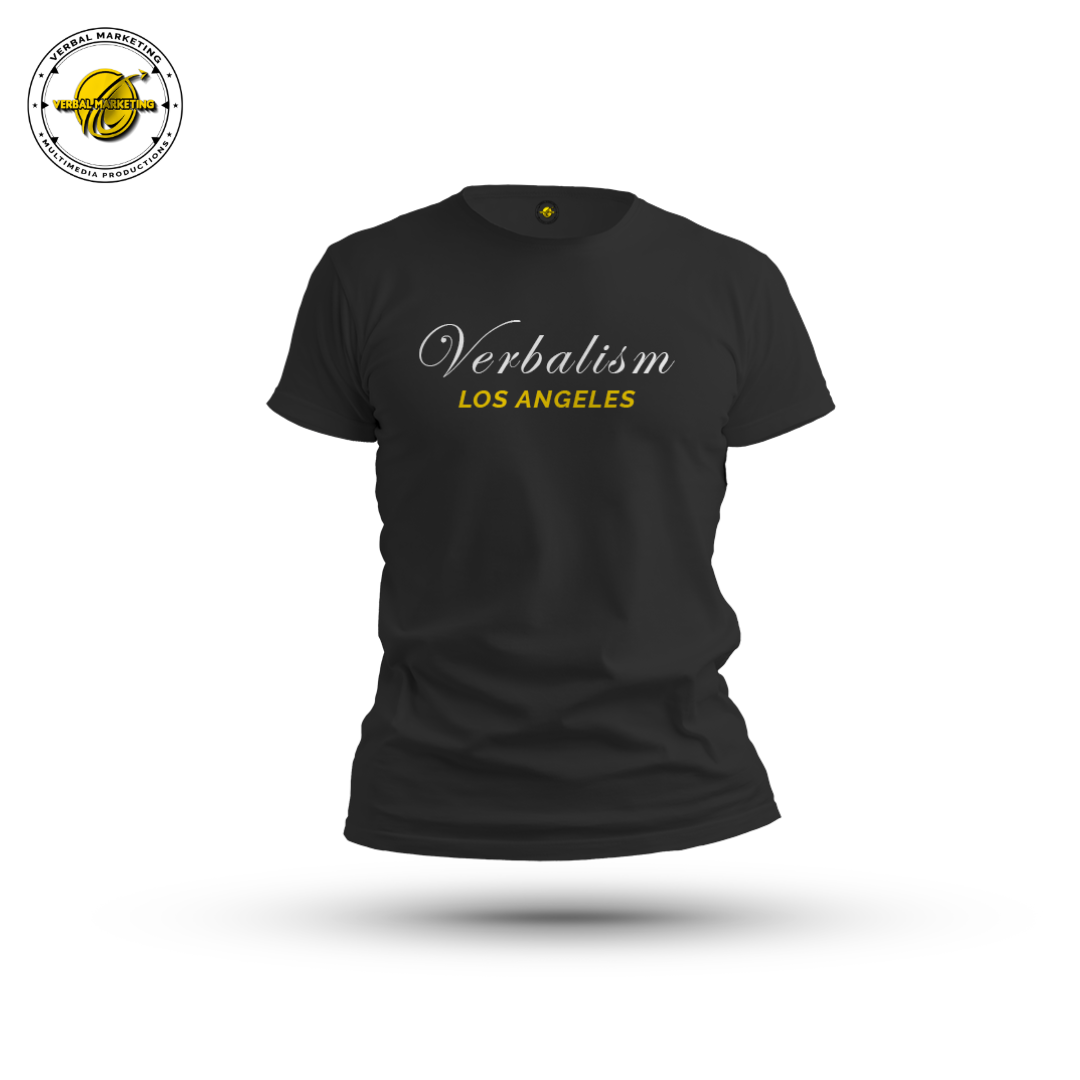
VERBALISM | SHOWTIME BLACK | SIGNATURE COLLECTION T-SHIRT
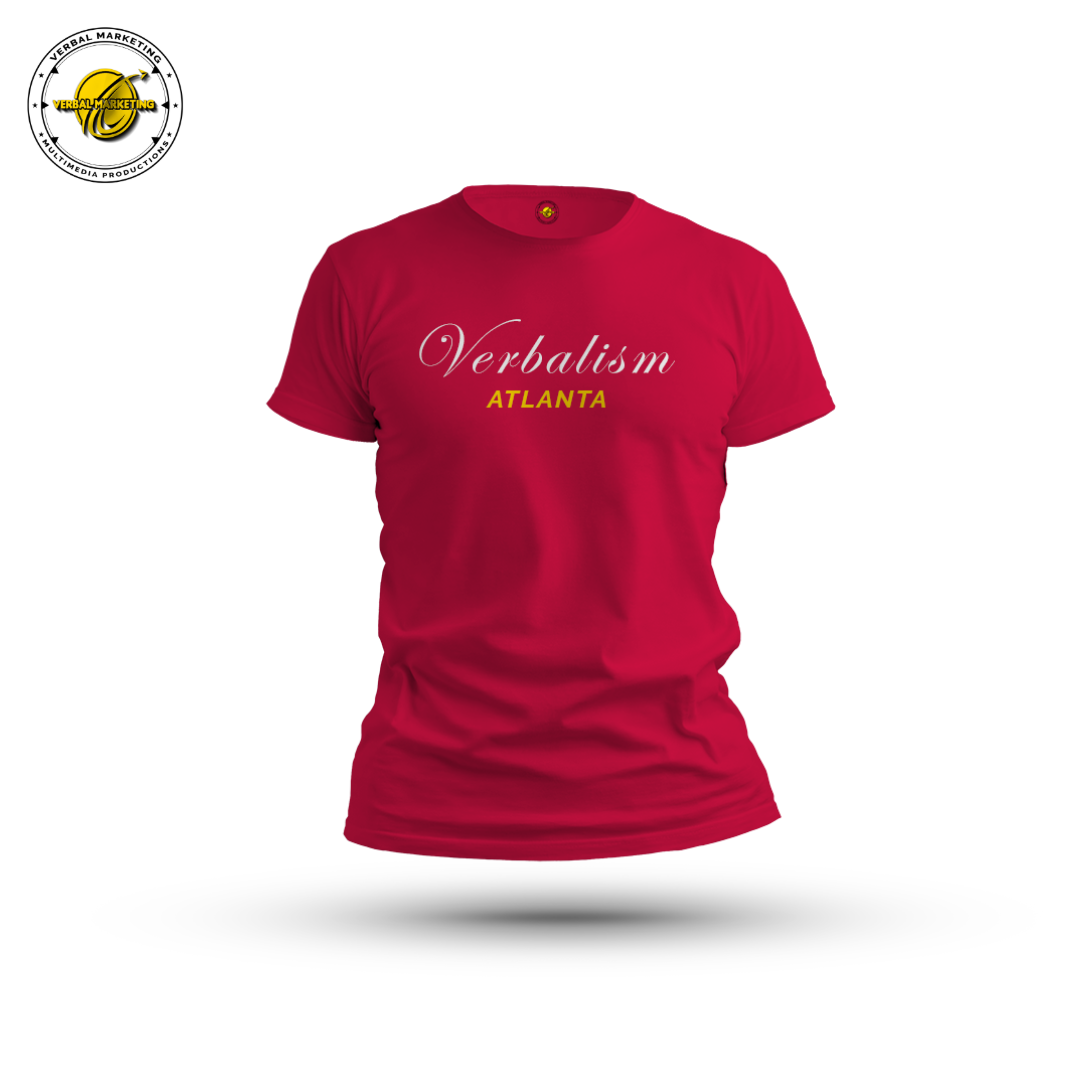
VERBALISM | RED DAWG | SIGNATURE COLLECTION T-SHIRT
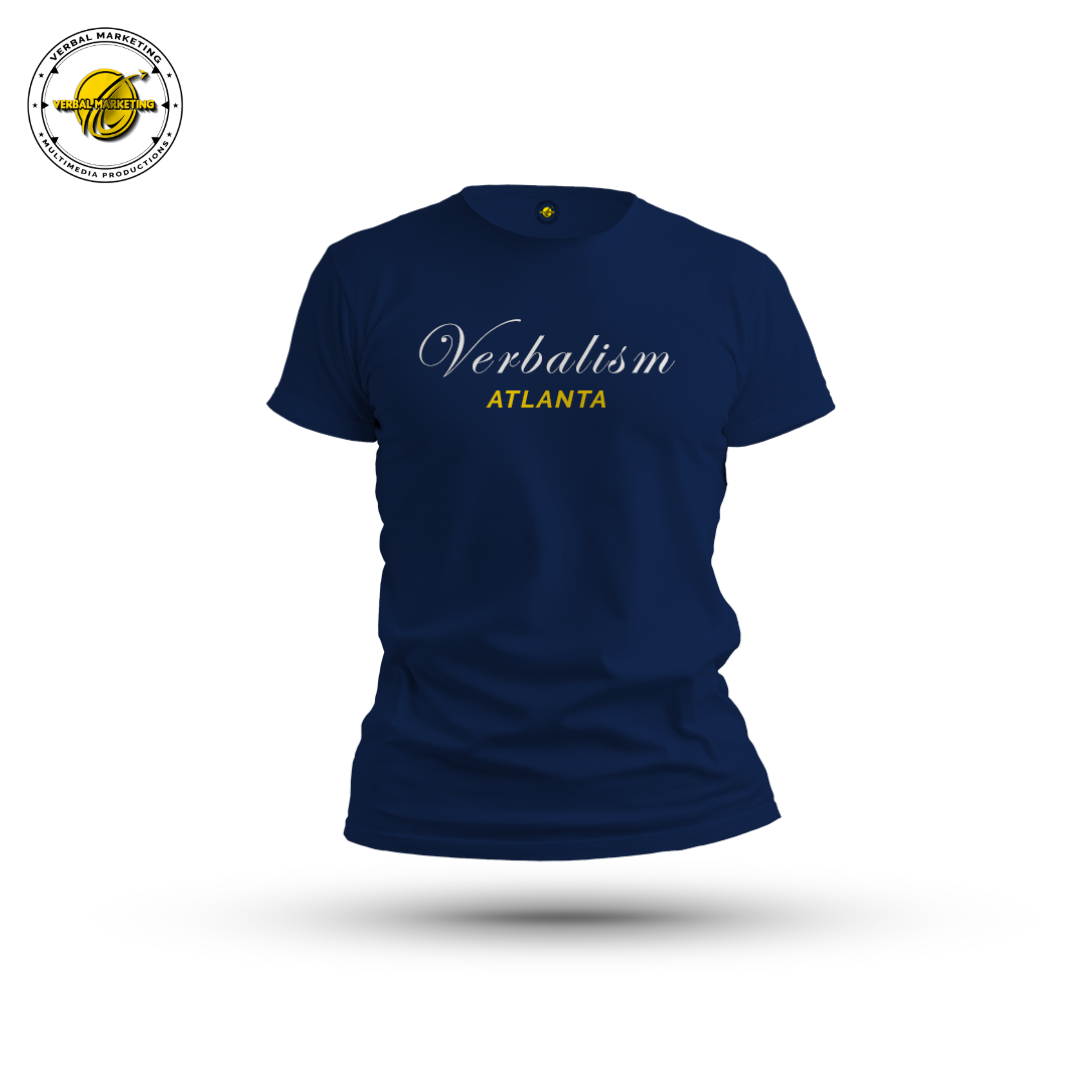
VERBALISM | BRAVE BLUE | SIGNATURE COLLECTION T-SHIRT

VERBALISM | OFF-WHITE | SIGNATURE COLLECTION T-SHIRT

VERBALISM | SOUTHSIDE BLACK | SIGNATURE COLLECTION T-SHIRT

VERBALISM | MIDNIGHT GREEN | SIGNATURE COLLECTION T-SHIRT

VERBALISM | PHILLY CLASSIC | SIGNATURE COLLECTION T-SHIRT

VERBALISM | SILVER EAGLE | SIGNATURE COLLECTION T-SHIRT
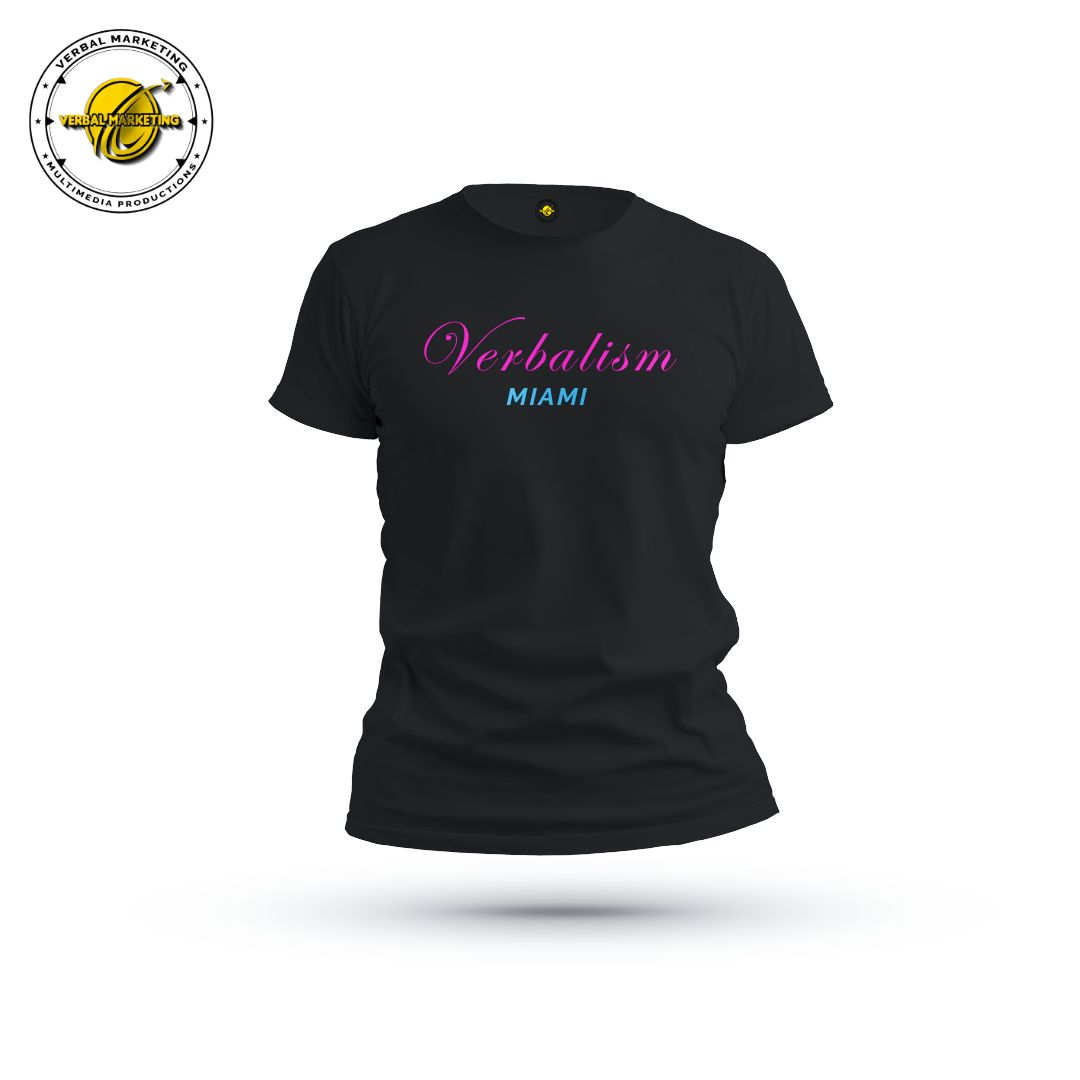
VERBALISM | BRICKELL BLACK | SIGNATURE COLLECTION T-SHIRT
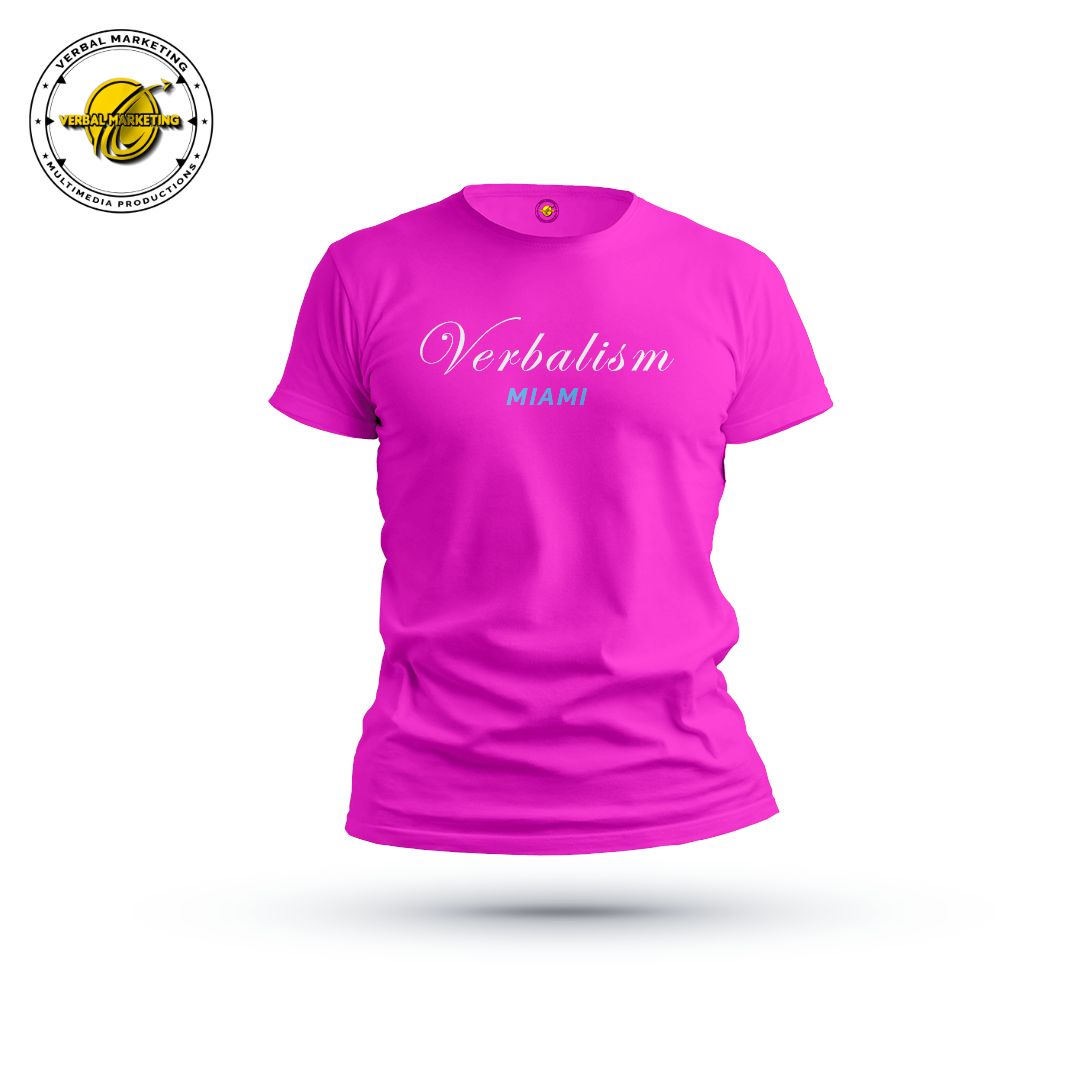
VERBALISM | WYNWOOD FUCHSIA | SIGNATURE COLLECTION T-SHIRT
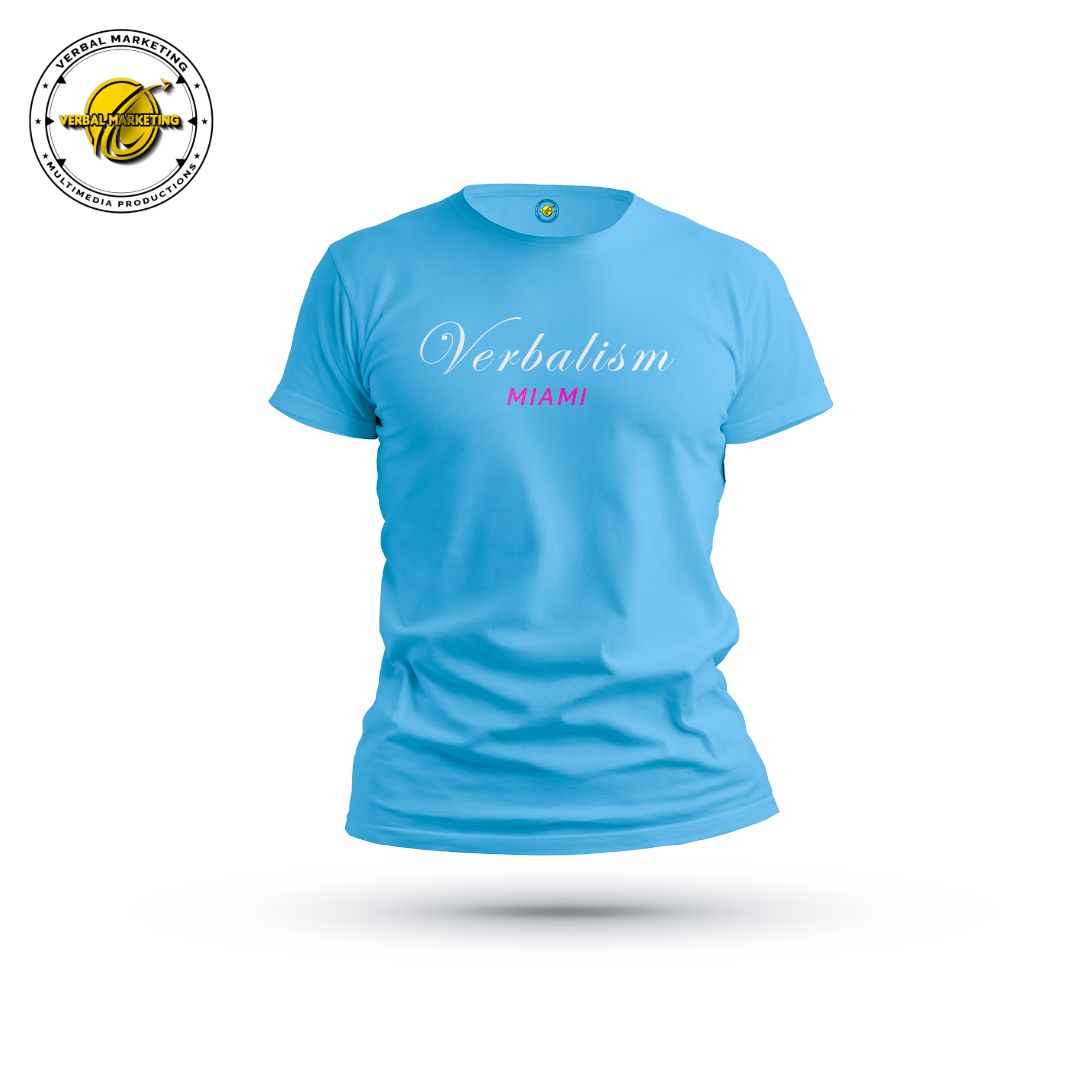
VERBALISM | BISCAYNE BLUE | SIGNATURE COLLECTION T-SHIRT


