JAY-Z: REASONABLE DOUBT, REAL POWER

THE TARGET TEST
Jay-Z is back in the headlines, but this time the story is not a diss record, a surprise album, or a typical celebrity controversy. The conversation centers on Target, where a 30th anniversary edition of Reasonable Doubt is sold as a Target-exclusive vinyl release.
On the surface, this looks like a simple legacy play: a classic album, a collector’s edition, a major retailer, and a billionaire artist using national distribution to bring his debut album back to the public. But Target brings baggage to the story. The retailer has been tied to DEI backlash, boycott talks, and public debate over where corporate values end and business survival begins. That is why the vinyl release has become more than just music.
The Target deal has turned into a cultural test about loyalty, leverage, Black consumer power, and whether Jay-Z should be judged as a community representative or seen as a businessman operating at scale.
Is Target the real issue here, or is this controversy exposing a bigger conversation about power?
CRITICISM STARTS WITH THE FACTS
The first thing that must be clarified is simple: this appears to be a vinyl release, not a full Jay-Z apparel line, memorabilia collection, or broad Hip-Hop lifestyle partnership with Target. That distinction matters because the reaction can easily become bigger than the product itself. A collector’s vinyl tied to a 30-year anniversary is not the same thing as Jay-Z becoming the face of Target’s entire cultural rehabilitation campaign.
That does not mean people cannot criticize the timing. It means the criticism should start with the facts. Reasonable Doubt is being treated as a physical artifact, a piece of Hip-Hop history that can be bought, collected, displayed, and passed down. In an era dominated by streaming, the vinyl format gives the album weight again. It turns music back into an object.
Does the controversy change once we separate the actual product from the reaction around it?
WHERE ELSE?
The business logic behind Target is not difficult to understand. The old music-store chain era is mostly gone. Physical music does not move through the same national retail system that existed when CDs, tapes, and album stores were central to music culture. Today, vinyl survives through independent record stores, artist websites, Amazon, Walmart, Barnes & Noble, Urban Outfitters, and large retailers like Target.
So the practical question is fair: where else is a mainstream artist supposed to sell a collector’s vinyl to the masses? Independent record stores still matter, especially for serious collectors and local music communities, but they do not offer the same national casual-retail reach. Target gives Jay-Z access to older fans, younger collectors, suburban shoppers, nostalgic listeners, and people who may discover the album through a mainstream retail environment.
If national music stores no longer dominate, where should a mainstream artist sell a collector’s vinyl?
BOYCOTT MATH
The Target controversy only becomes powerful if the boycott conversation is structured. A boycott needs more than emotion. It needs leadership, clear demands, public measurement, economic alternatives, and a definition of victory. Without those pieces, the public may know that people are angry, but not what they are being asked to do, who is responsible for directing the movement, or how success is supposed to be measured.
That is where the Target backlash becomes complicated. There were visible voices, clergy figures, activists, commentators, and consumers, but not a universally recognized governing structure that every Black consumer agreed to follow. That does not make the boycott meaningless. It means the boycott has to be examined honestly. If a movement cannot clearly explain who leads it, what changed, what was won, and where redirected dollars should go, then it becomes vulnerable to symbolic arguments every time a major cultural figure makes a business move.
Can a boycott create real power without clear leadership, clear demands, and clear economic alternatives?
CLASS OVER COLOR
The phrase “Black consumer power” is often presented as a racial idea, but economically, it may be more accurate to examine it through class. A working-class shopper may not have the luxury of avoiding Target if the store is convenient, affordable, or close to home. A middle-class consumer may have more freedom to redirect spending. An affluent collector may care more about nostalgia, access, scarcity, and premium ownership. Meanwhile, the owner-and-investor class is focused on distribution, procurement, shelf space, licensing, and capital.
Jay-Z does not move like a frustrated consumer. He moves like an owner. That difference matters. The consumer asks where to spend money. The owner asks how to control the product, the platform, the audience, and the upside. When people expect Jay-Z to behave like a symbol of consumer protest, they may be missing the class position he occupies. He is not moving from the checkout line. He is moving from the boardroom.
Is this really a race story, or is it a class story hiding inside a race conversation?
HOV’S PLAYBOOK
Jay-Z has never been the artist who waits for permission from the crowd. His career has been defined by movement toward leverage, even when the culture was divided. He changed the fashion temperature when Hip-Hop was still attached to jerseys. He challenged Auto-Tune when the sound was dominant. He entered the NFL conversation when many people were calling for total cultural resistance. He moved through Samsung, Tidal, Live Nation, luxury brands, sports, art, and corporate partnerships with the same long-term pattern: find the power table, then negotiate from there.
That is why the Target rollout should not be treated like a shocking departure. It fits the Jay-Z brand. Reasonable Doubt was always an album about ambition, risk, survival, capitalism, and moral conflict. Thirty years later, the rollout is forcing the same themes into the public conversation. What is loyalty? What is power? Who owns the product? Who controls distribution? Who gets to decide when business becomes betrayal?
Has Jay-Z changed, or is this the same business-first mindset he has shown for decades?
THE ROOTS PICNIC SPARK
Before the Target debate became the center of the conversation, Jay-Z had already stepped back into performance mode at Roots Picnic. That moment matters because it reminded the audience that his catalog is not just a business asset. It is still alive on stage. The performance helped reintroduce Jay-Z as an active presence, not only a billionaire figure moving quietly behind the scenes.
The Roots Picnic gave the rollout emotional momentum. It showed that Jay-Z can still command attention without needing a new album. The catalog still travels. The words still carry weight. The presence still creates conversation. By the time the Target vinyl became controversial, Jay-Z had already reminded the public that Reasonable Doubt is not just a 1996 product. It is a cornerstone of the architecture of modern Hip-Hop power.
Did Roots Picnic prove Jay-Z still has enough cultural gravity to move the room without a new album?
STADIUM STATUS
The larger campaign leads to Yankee Stadium, where Jay-Z is scheduled to celebrate Reasonable Doubt at 30 and The Blueprint at 25. That changes the meaning of the rollout. Target is not the whole story. The vinyl is not the whole story. The controversy is not the whole story. This is a full legacy campaign moving from performance to product, to stadium-level ceremony.
Yankee Stadium turns Jay-Z’s catalog into something bigger than nostalgia. It places Hip-Hop legacy inside one of the most recognizable sports and entertainment venues in America. That is the real power move. Jay-Z is not only asking people to remember the albums. He is staging them as institutions. In that context, Target becomes the marketplace piece, Roots Picnic becomes the spark, and Yankee Stadium becomes the coronation.
Is Yankee Stadium just a concert, or is it Jay-Z turning Hip-Hop legacy into American mythology?
REAL POWER
The deeper lesson in this story is that power does not always move emotionally. It moves structurally. Outrage can create conversation, but ownership creates options. Boycotts can create pressure, but distribution creates reach. Legacy can create nostalgia, but infrastructure turns nostalgia into revenue, visibility, and control.
Jay-Z’s Reasonable Doubt rollout is not just a vinyl release. It is a reminder that real power lives where culture, capital, timing, and distribution meet. People can debate whether the Target move is insensitive, strategic, arrogant, brilliant, or simply business as usual. But the larger truth is clear: Jay-Z is not moving like a man asking for permission. He is moving like a man who understands that legacy is not preserved by sentiment alone. It is preserved by control.
Is Jay-Z exposing the limits of outrage, or simply showing what real power looks like when it moves?

Subscribe Now To The Verbal Underground On Spotify & YouTube
Stay locked in with The Verbal Underground for raw, unfiltered breakdowns on the stories shaping power, culture, media, and public opinion. If you value commentary that goes beyond the headline and challenges the narrative, subscribe and follow us on Spotify & YouTube for more.
Powered by Verbal Marketing | Let Your Business Speak For Itself.
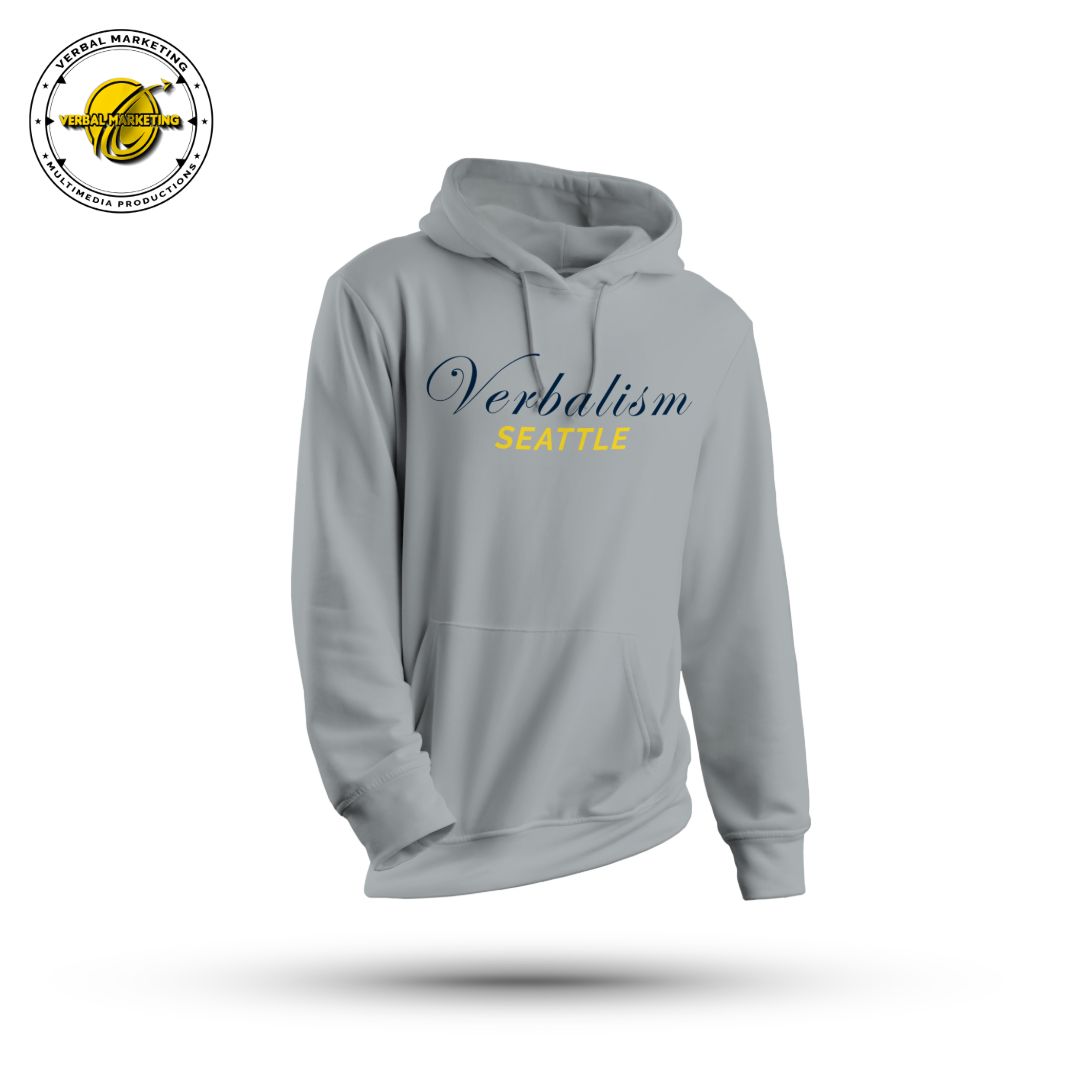
VERBALISM | SEATTLE GRIDIRON GRAY | SIGNATURE COLLECTION HOODIE

VERBALISM | SOUND & FOREST NAVY | SIGNATURE COLLECTION HOODIE
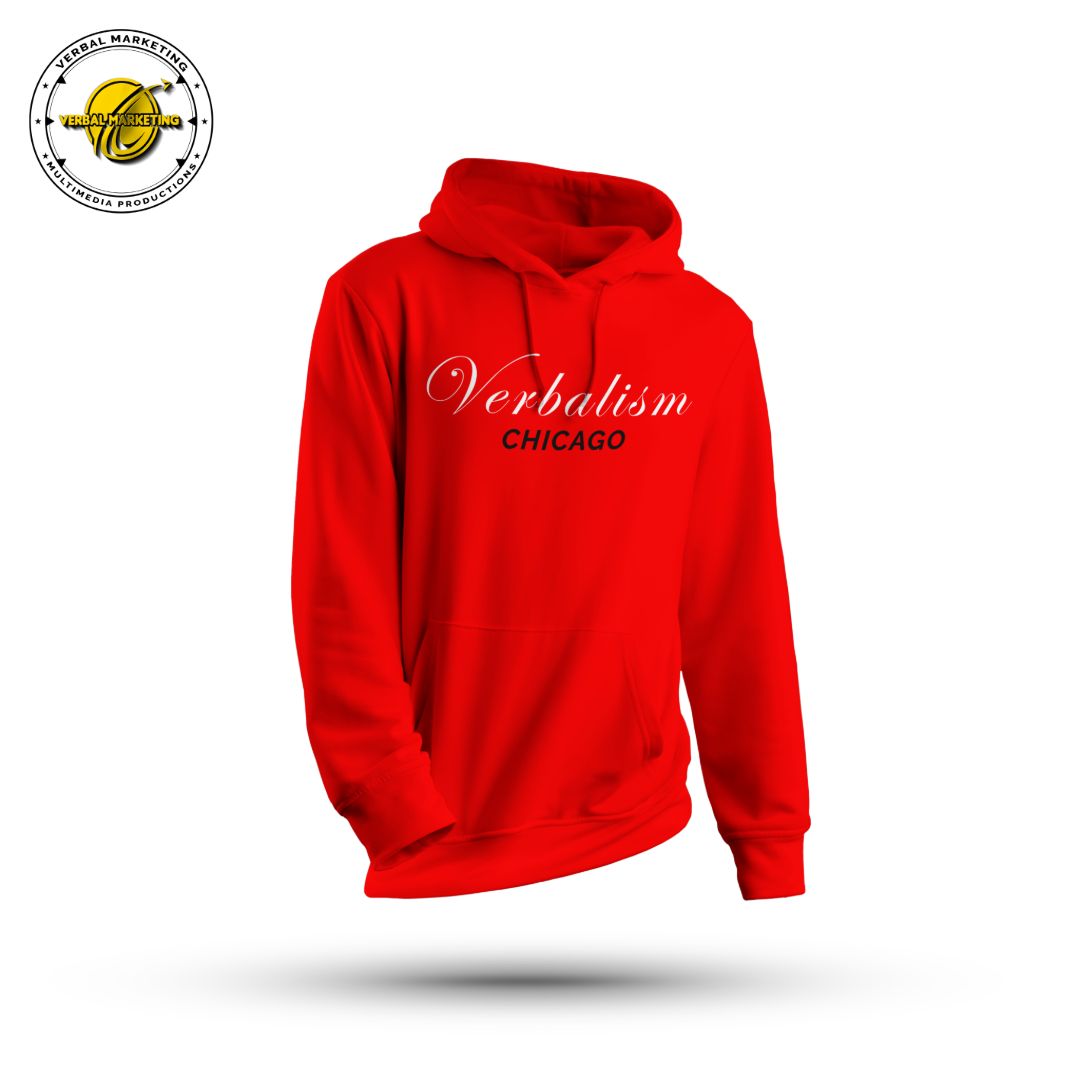
VERBALISM | CHICAGO SEA RED | SIGNATURE COLLECTION HOODIE
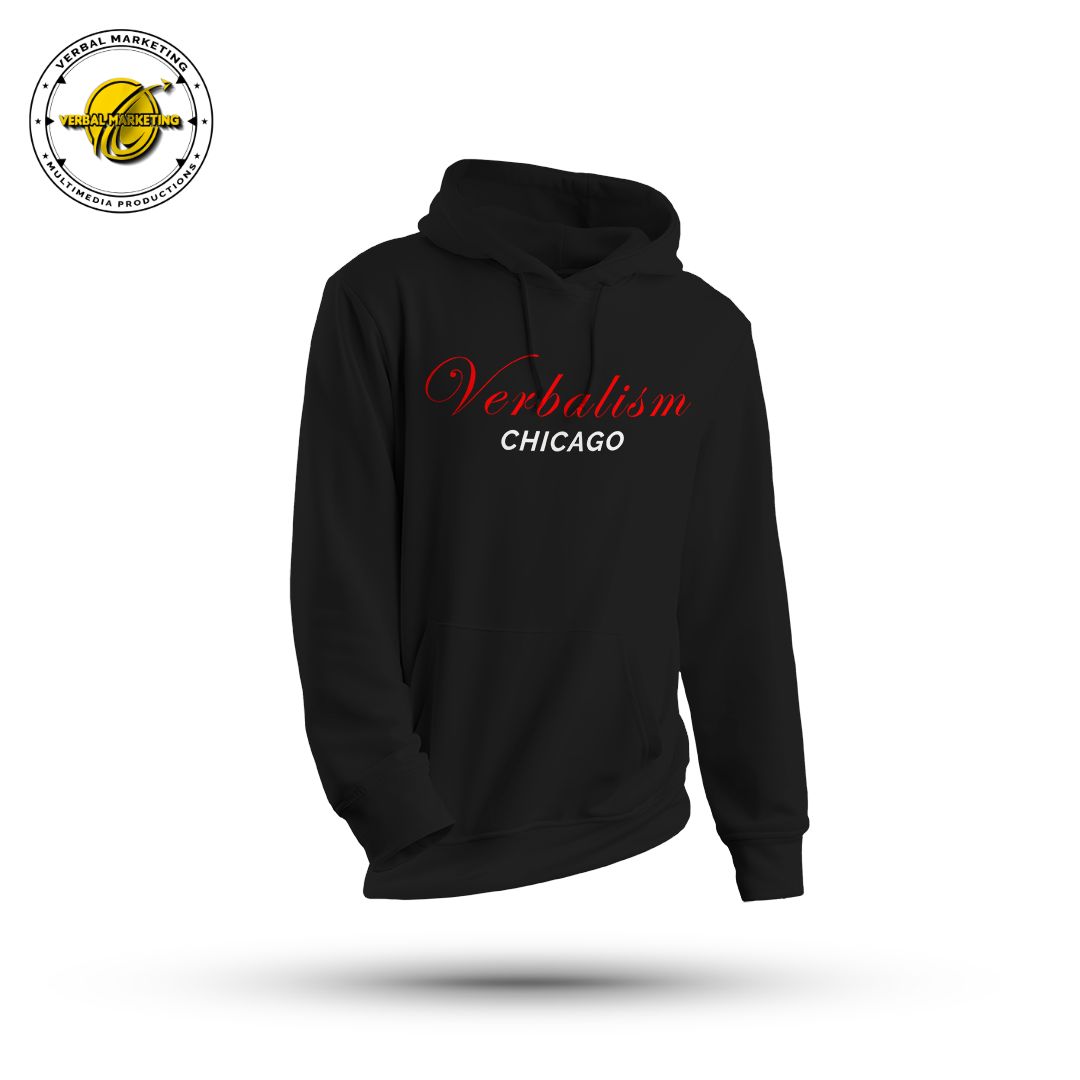
VERBALISM | CHICAGO SEA RED | SIGNATURE COLLECTION HOODIE

VERBALISM | B'MORE BLACK | SIGNATURE COLLECTION HOODIE

VERBALISM | BALTIMORE POE PURPLE | SIGNATURE COLLECTION HOODIE
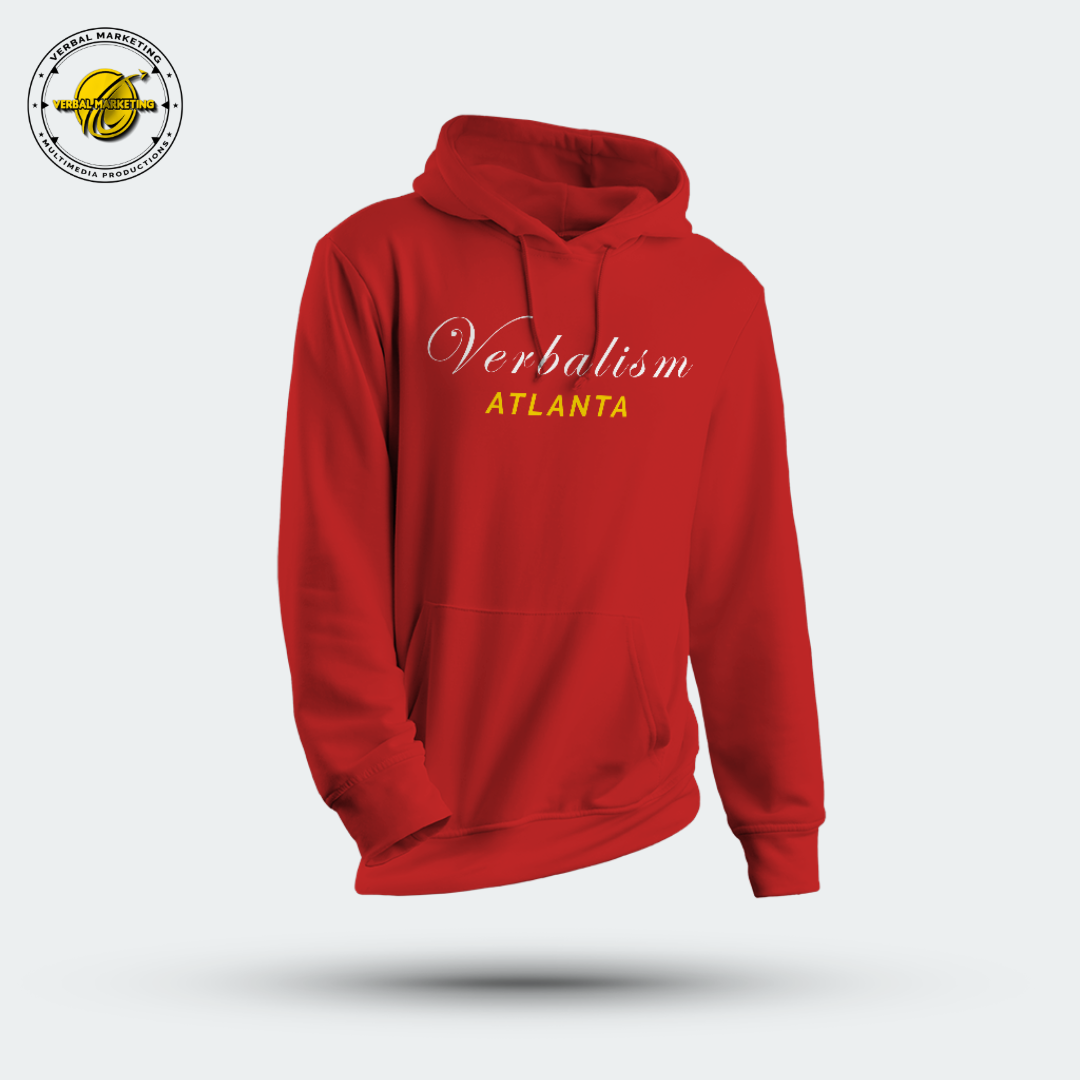
VERBALISM | ATLANTA RED DAWG | SIGNATURE COLLECTION HOODIE

VERBALISM | ATLANTA BLACK FALCON | SIGNATURE COLLECTION HOODIE
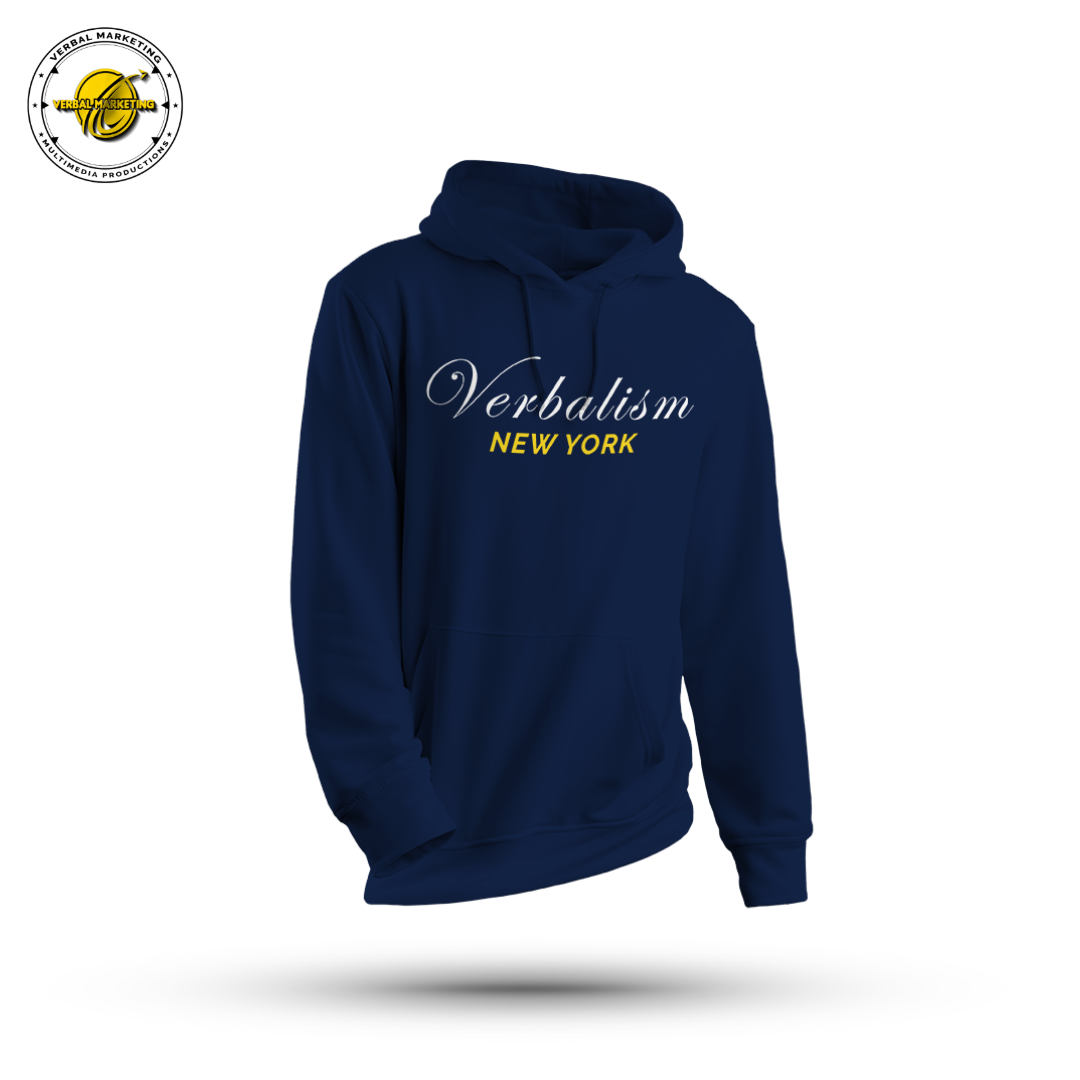
VERBALISM | GOTHAM BLUE | SIGNATURE COLLECTION HOODIE

VERBALISM | GOTHAM ORANGE | SIGNATURE COLLECTION HOODIE
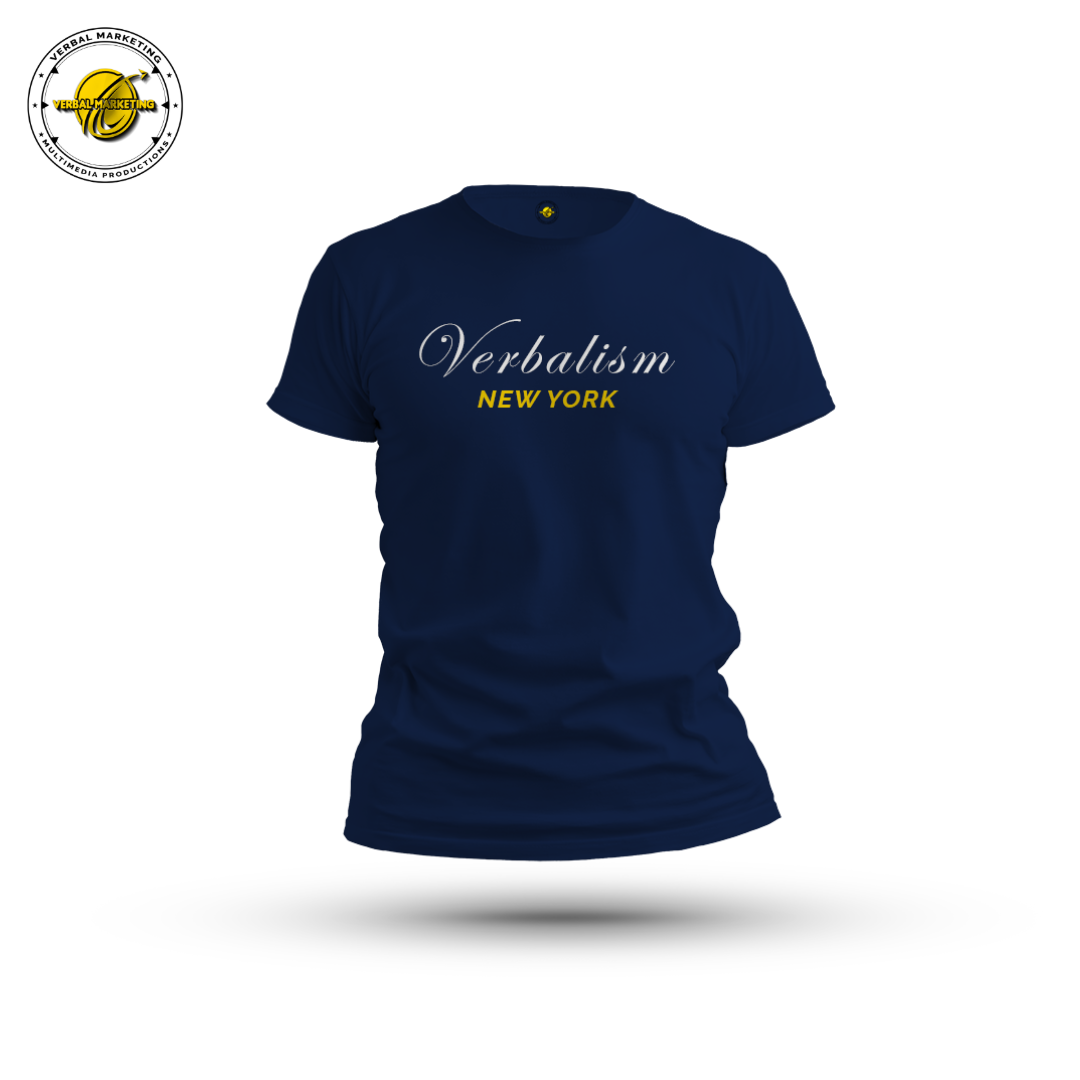
VERBALISM | GOTHAM BLUE | SIGNATURE COLLECTION T-SHIRT
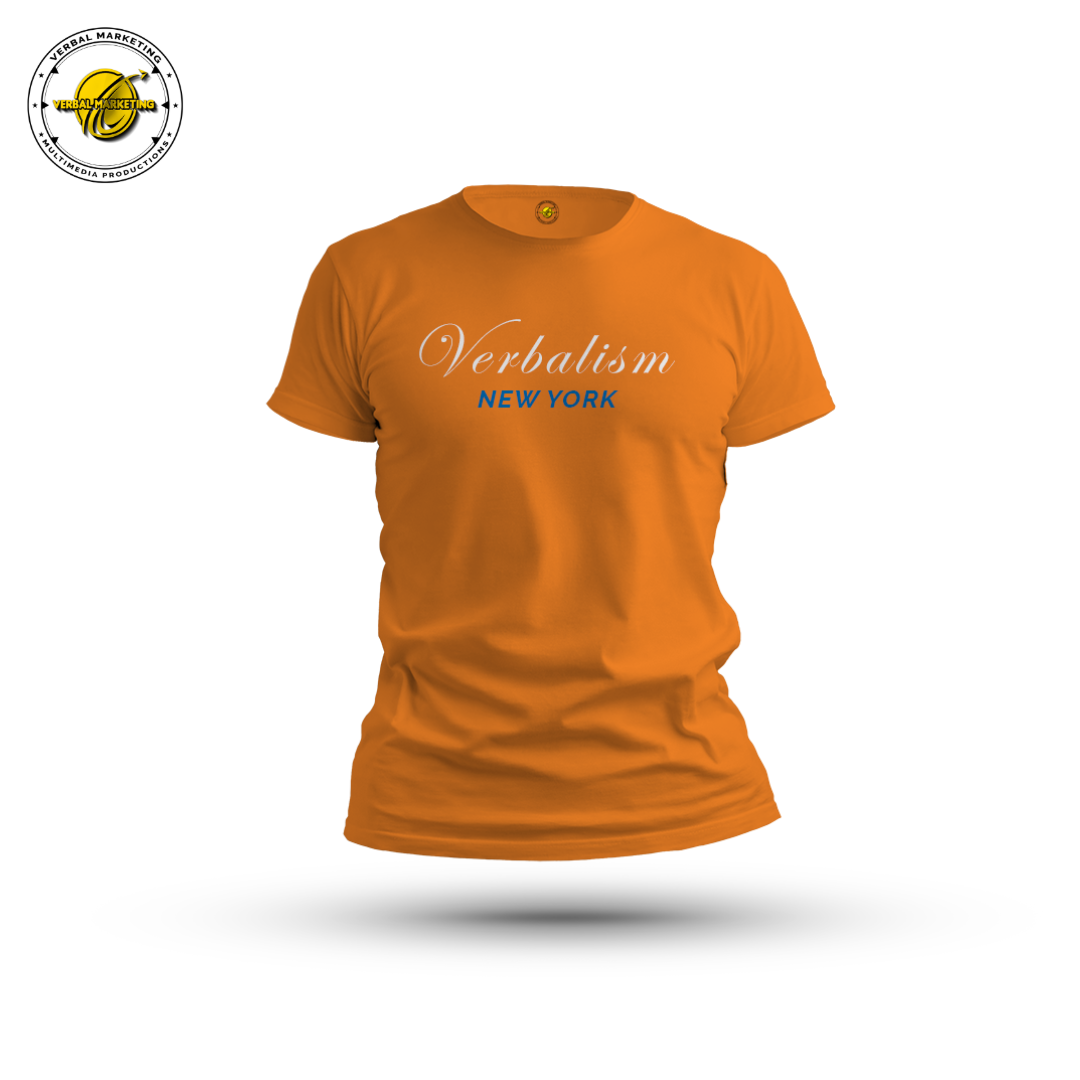
VERBALISM | GOTHAM ORANGE | SIGNATURE COLLECTION T-SHIRT
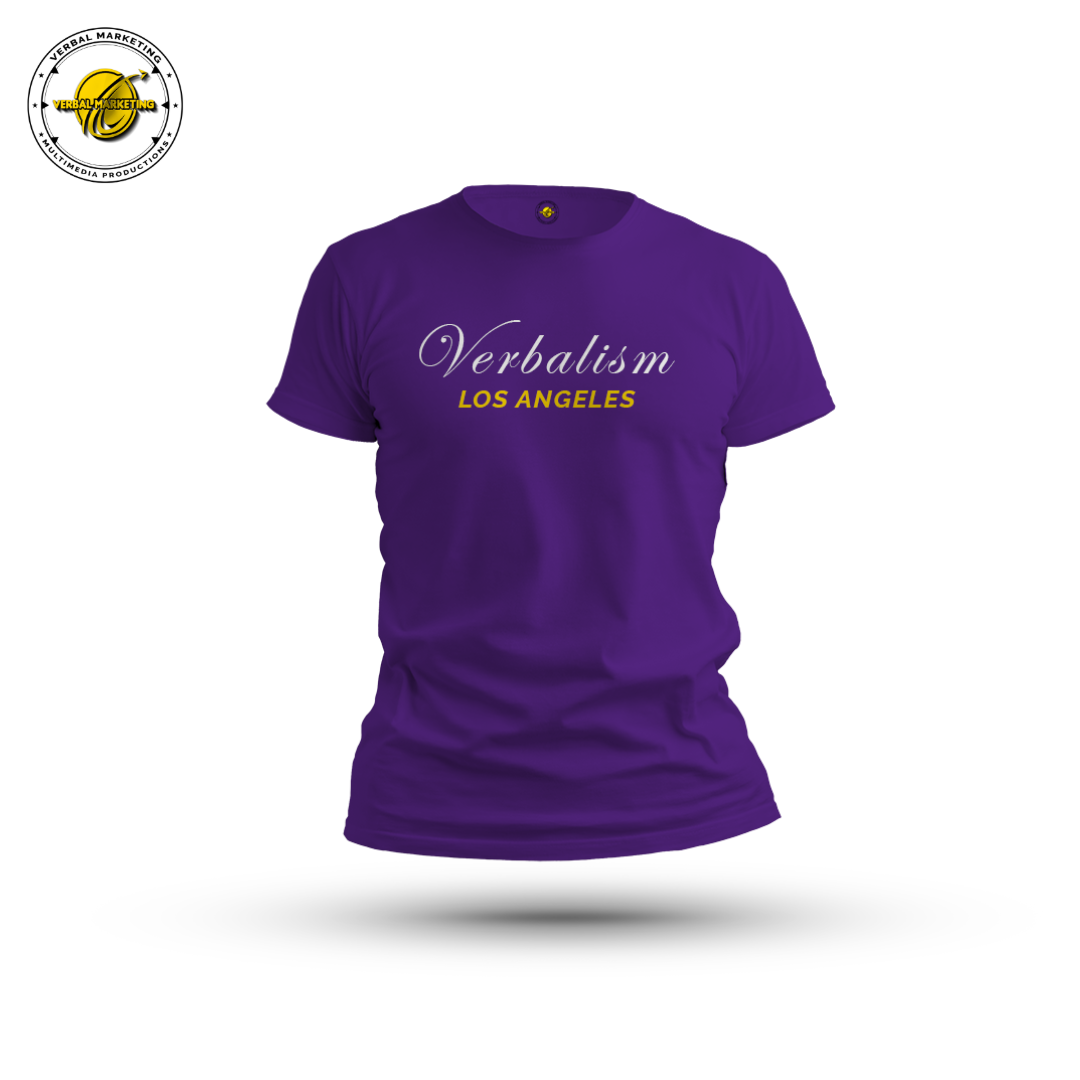
VERBALISM | SHOWTIME PURPLE | SIGNATURE COLLECTION T-SHIRT
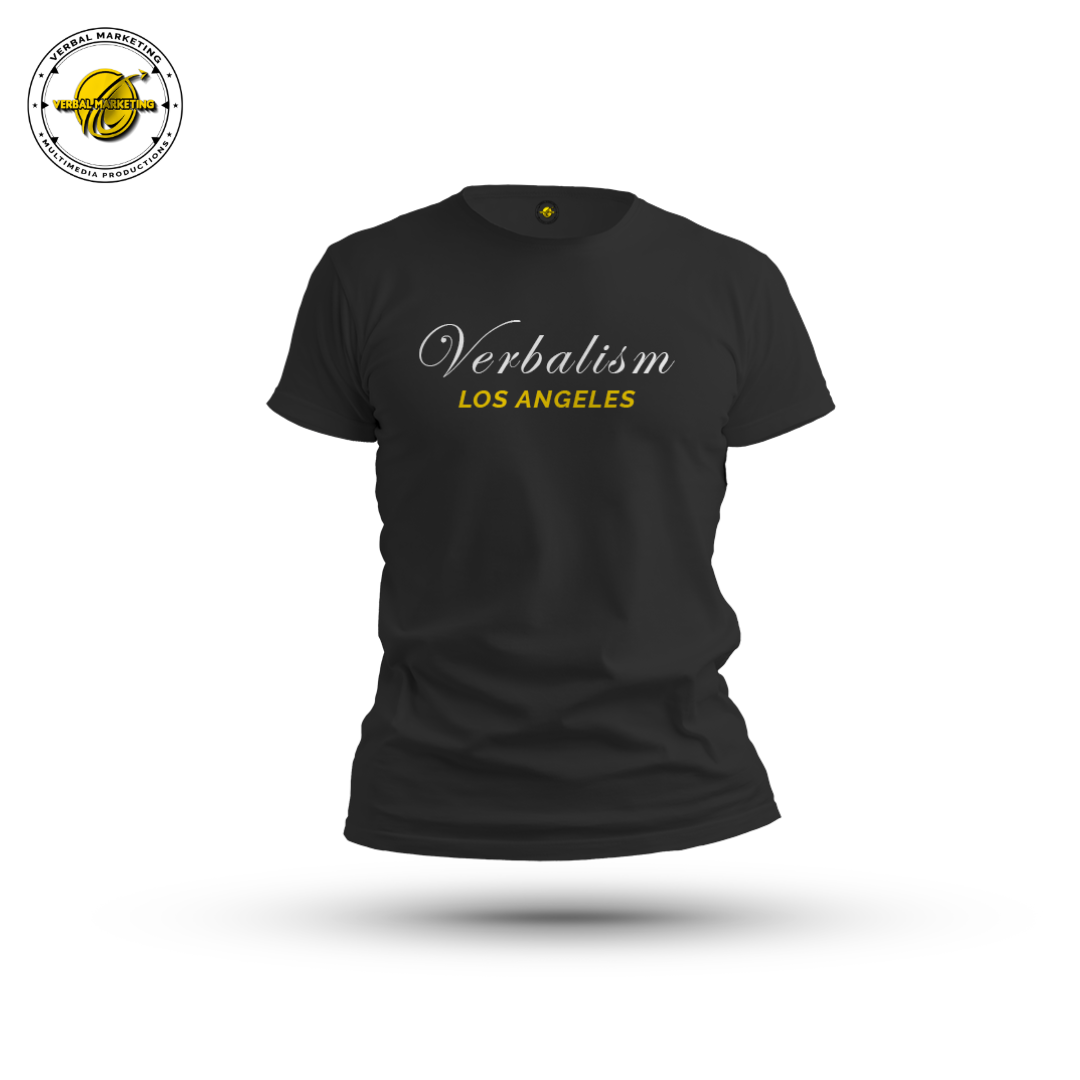
VERBALISM | SHOWTIME BLACK | SIGNATURE COLLECTION T-SHIRT
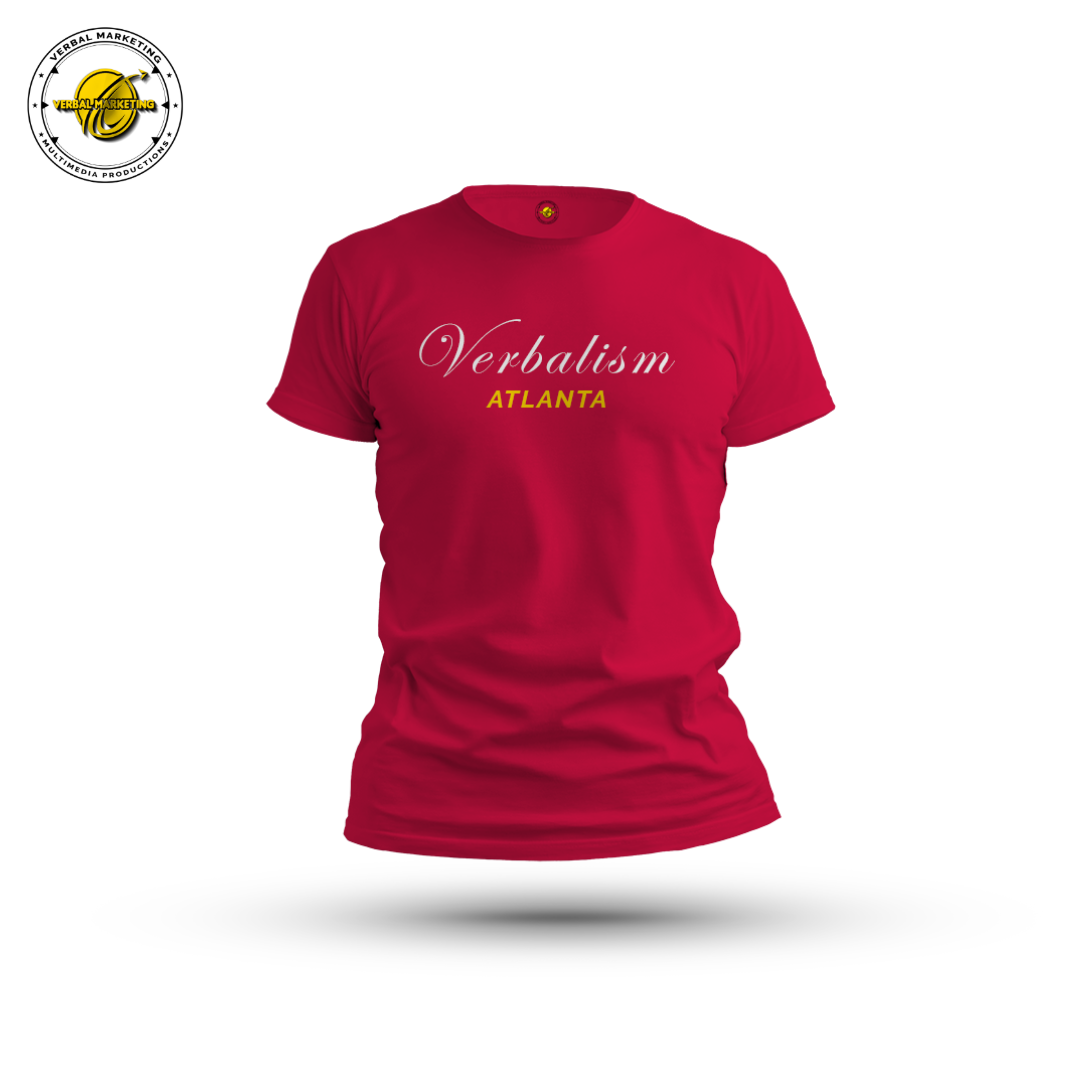
VERBALISM | RED DAWG | SIGNATURE COLLECTION T-SHIRT
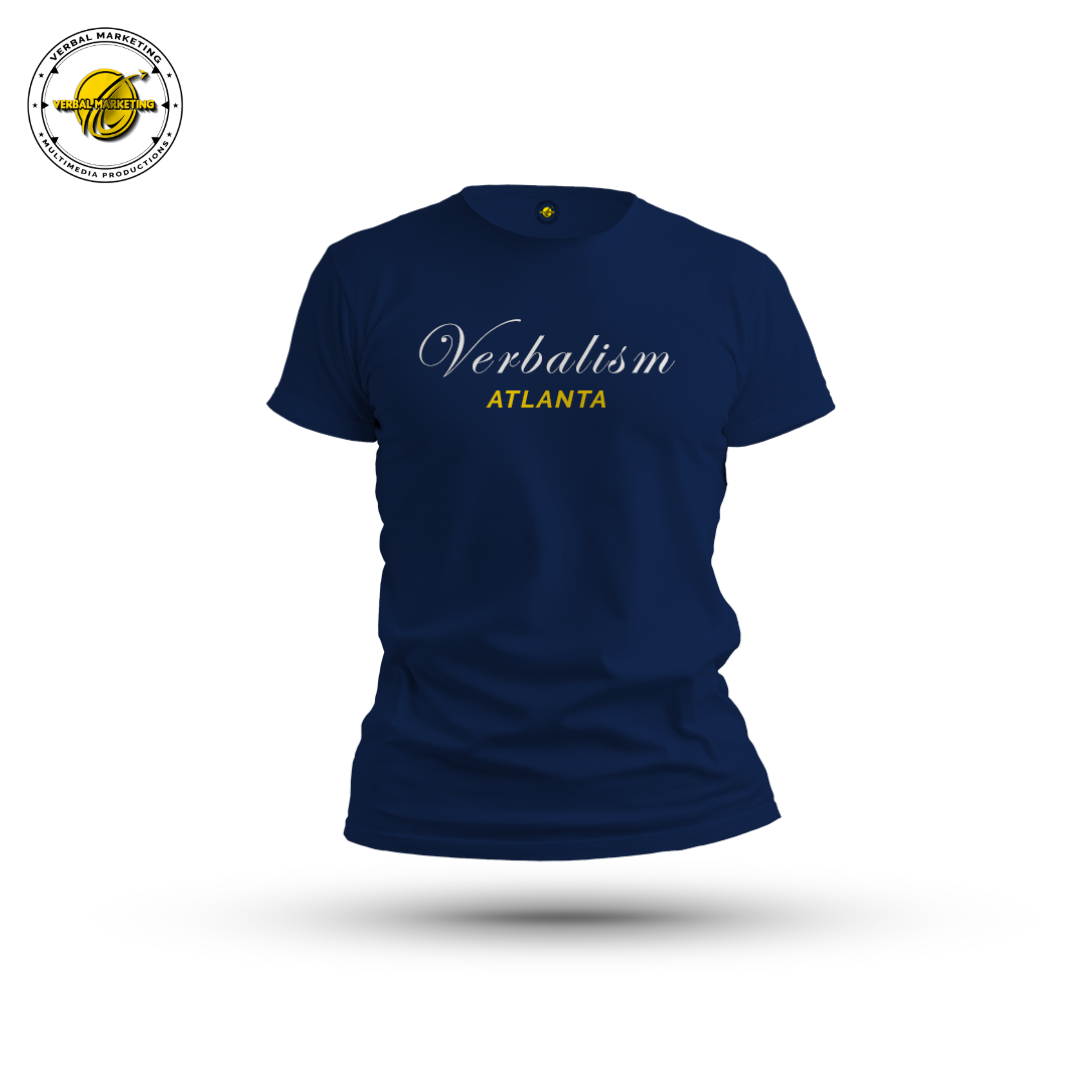
VERBALISM | BRAVE BLUE | SIGNATURE COLLECTION T-SHIRT
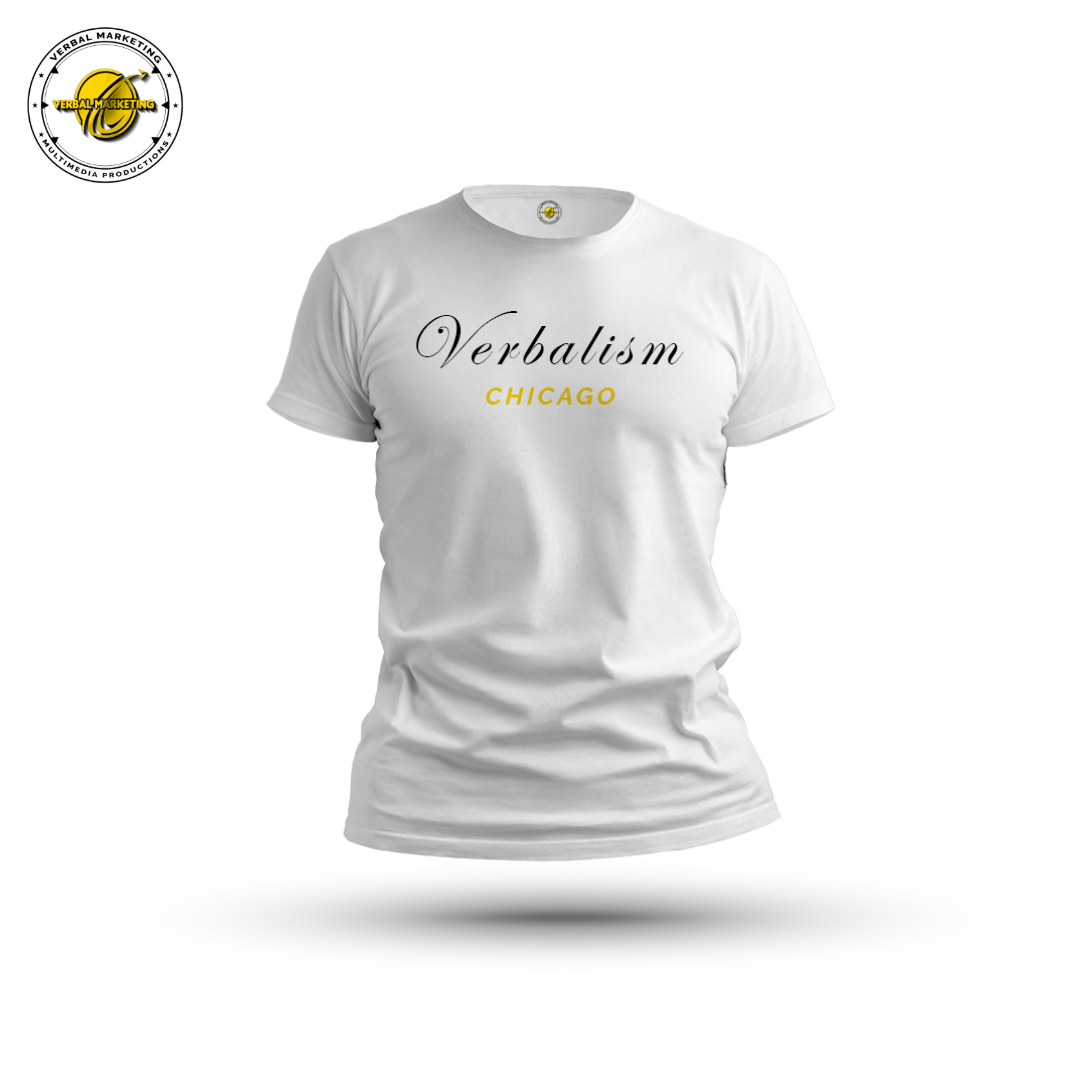
VERBALISM | OFF-WHITE | SIGNATURE COLLECTION T-SHIRT
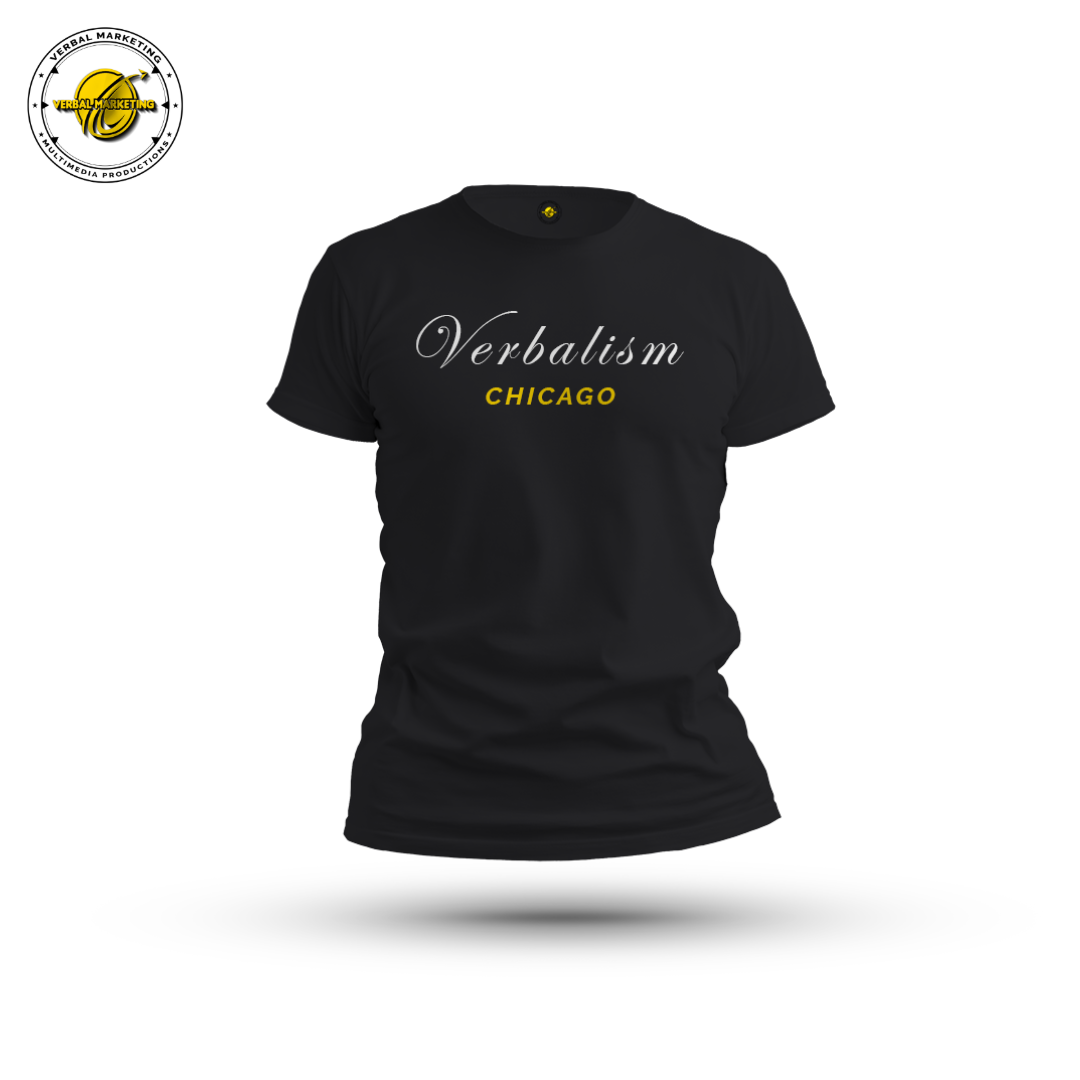
VERBALISM | SOUTHSIDE BLACK | SIGNATURE COLLECTION T-SHIRT
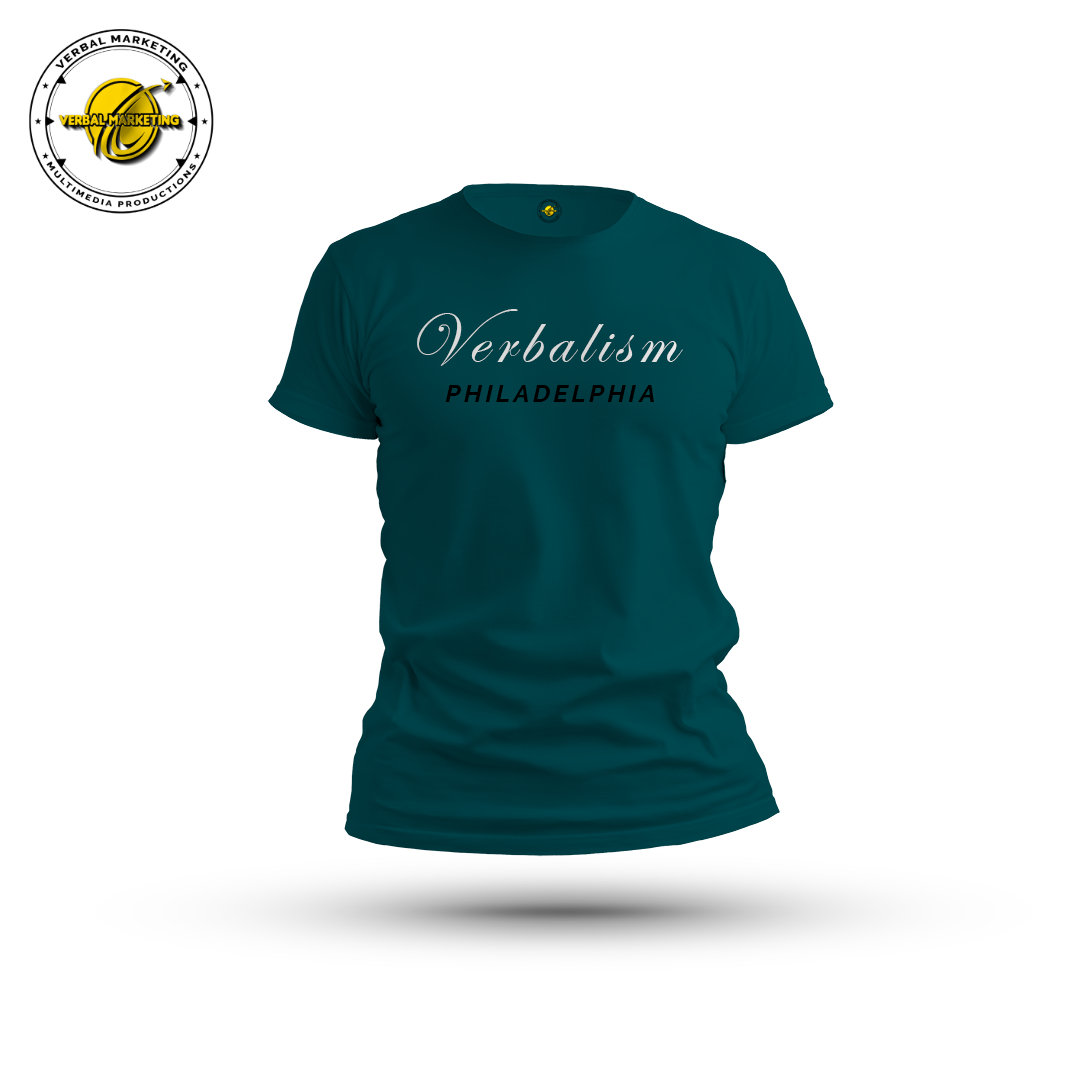
VERBALISM | MIDNIGHT GREEN | SIGNATURE COLLECTION T-SHIRT
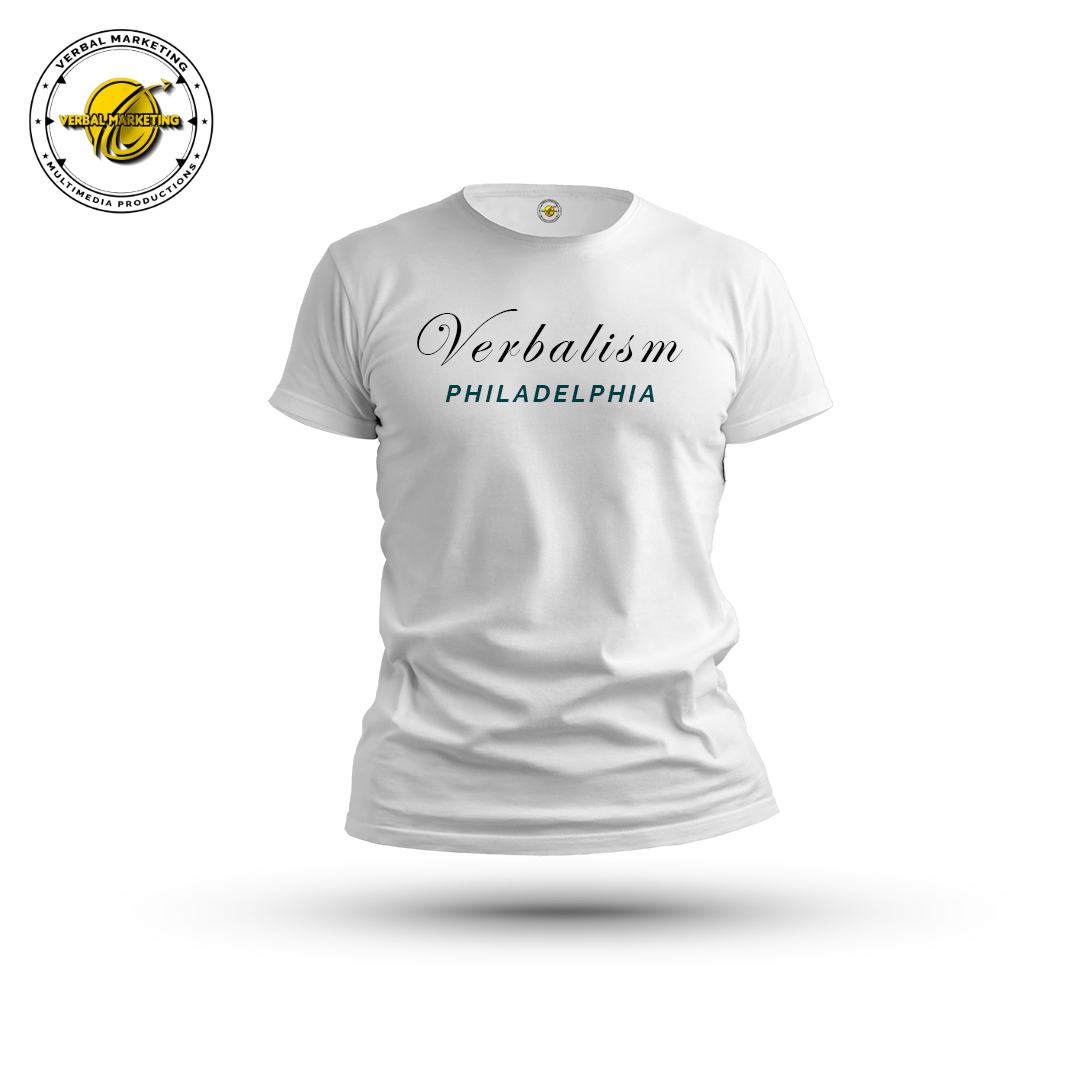
VERBALISM | PHILLY CLASSIC | SIGNATURE COLLECTION T-SHIRT
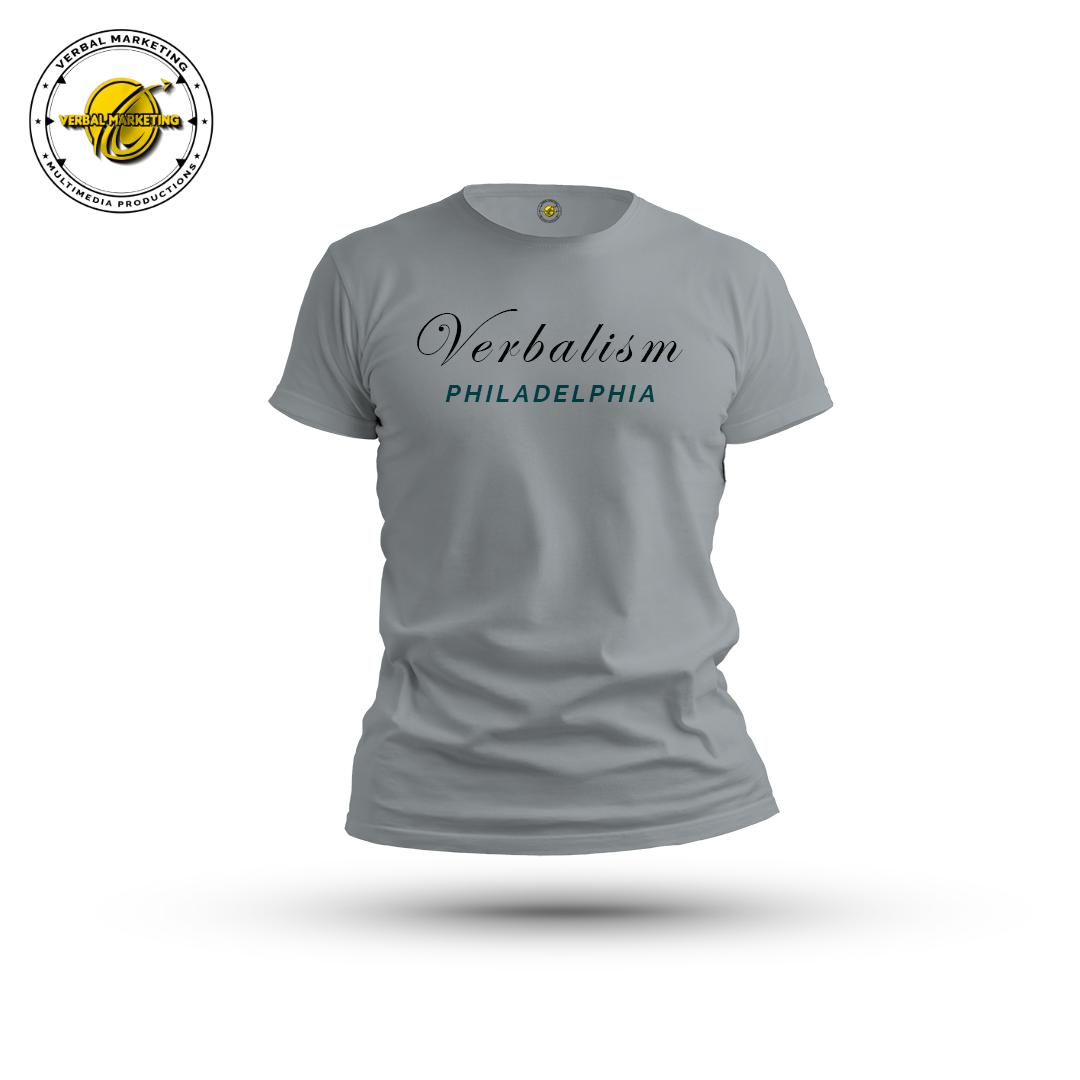
VERBALISM | SILVER EAGLE | SIGNATURE COLLECTION T-SHIRT
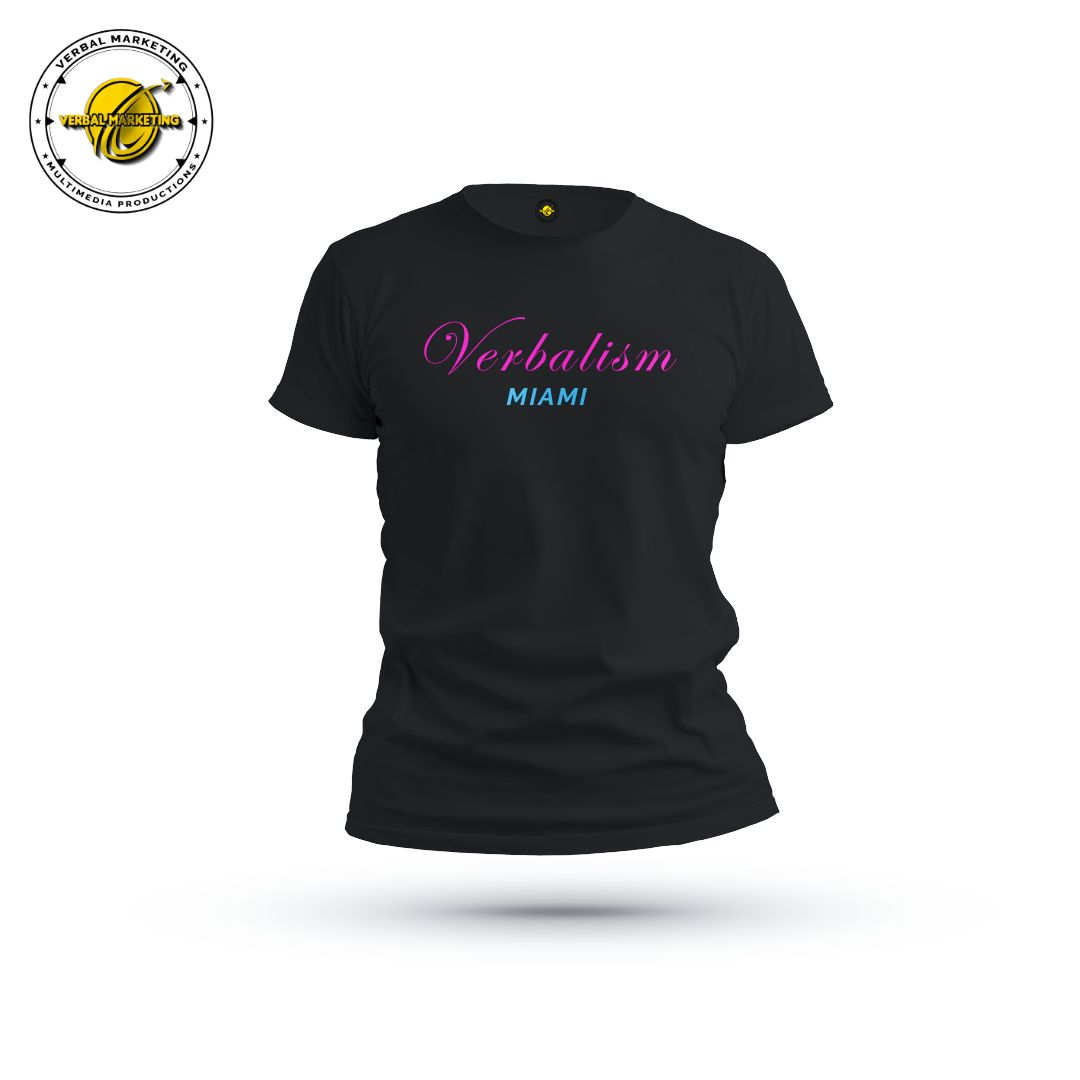
VERBALISM | BRICKELL BLACK | SIGNATURE COLLECTION T-SHIRT
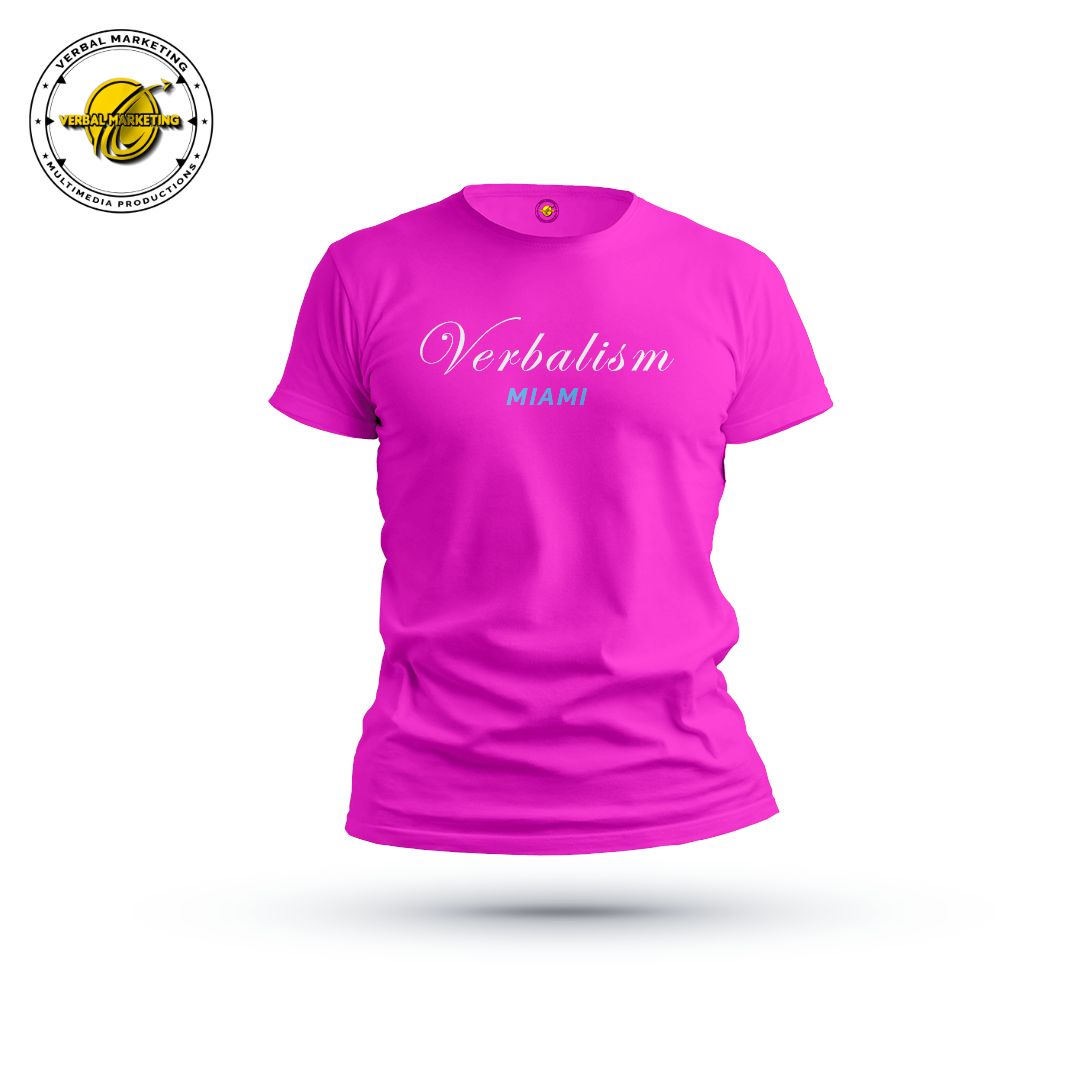
VERBALISM | WYNWOOD FUCHSIA | SIGNATURE COLLECTION T-SHIRT
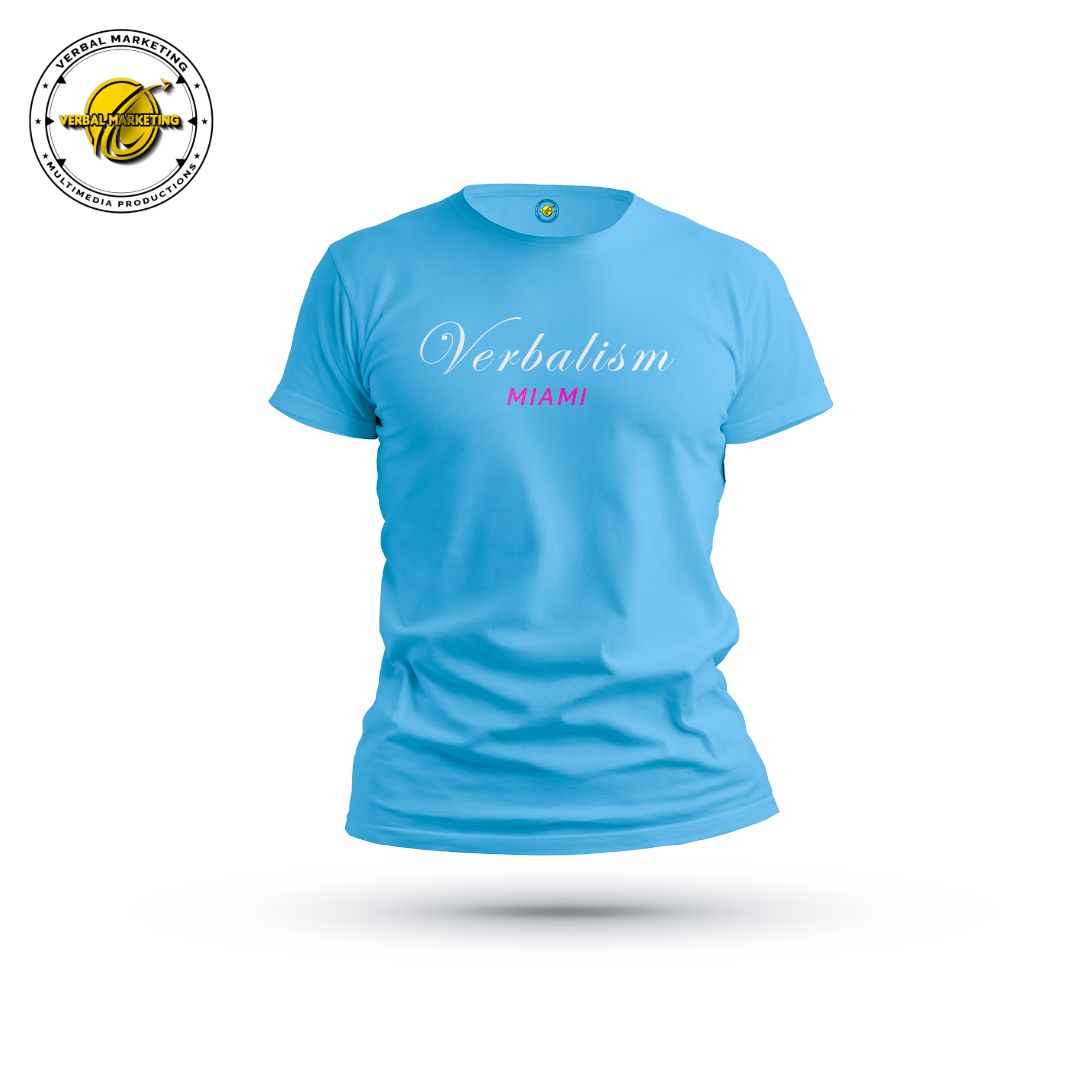
VERBALISM | BISCAYNE BLUE | SIGNATURE COLLECTION T-SHIRT


