MORTAL KOMBAT II REVIEW: THE BLOODY SEQUEL FANS WANTED

MORTAL KOMBAT II MAY HAVE FINALLY UNDERSTOOD THE ASSIGNMENT
Mortal Kombat II hits theaters with a clear goal: deliver the blood, fights, characters, and mythology fans expect. After seeing the Thursday night premiere, it’s obvious this could be one of the best films in the Mortal Kombat series, and maybe the strongest modern take on the universe.
The movie starts with Kitana’s backstory. She’s one of the franchise’s most iconic fighters, famous for her royal heritage, skill, and fight to free her people. As a child, she witnesses Shao Kahn kill her father, take over her realm, and force her people to submit. This opening sets the emotional tone for the rest of the film. By the end, Kitana defeats Kahn, claims the throne, and tells her people to rise. The story comes full circle.
Meanwhile, Johnny Cage brings comic relief. He isn’t instantly confident or unbeatable. Instead, he’s scared, humbled, and worn out as he tries to handle the difference between movie fights and real Mortal Kombat. This makes his story work. He’s funny but still important, and when he finally uses his shadow kick, it feels deserved.
Mortal Kombat II’s biggest strength is knowing what fans want. People aren’t just here for dialogue or world-building. They want Liu Kang, Scorpion, Kung Lao, Baraka, Kitana, Sonya, Jax, Kano, Johnny Cage, fatalities, rivalries, and chaos. The movie delivers all of that with more confidence than the 2021 reboot.
The action feels more meaningful because the fights connect to the characters’ stories. Jax sparing Jade is a tribute to Kitana. Liu Kang’s fight with the corrupted Kung Lao is tough to watch. Johnny surviving Baraka turns his humor into real bravery. Kitana's defeat of Shao Kahn completes the story that began with her father’s death.
There’s more to Mortal Kombat II than just violence. The movie uses its action to explore who controls legacy. Shao Kahn tries to shape Kitana’s identity. Quan Chi turns fallen warriors into weapons. Johnny Cage must decide if he’s just a movie hero or someone who can make real sacrifices. Liu Kang’s rise hints that the next film could focus on spiritual power, grief, and saving Kung Lao’s soul. Some storylines are left open for Mortal Kombat III: Scorpion’s reaction to Cole’s death, the fate of Kung Lao’s soul, and Shang Tsung’s plans for resurrected warriors. With Kitana as queen, the story’s future centers on rule, rebellion, and the cycle of revenge.
That’s what sets this apart from a typical fight movie. The blood is just the surface. Underneath, it’s about lost family, twisted resurrection, public shame, loyalty, and what it costs to become a symbol.
A franchise like Mortal Kombat depends on respecting what fans love while offering something new. This movie gets that balance better than most video game adaptations. It introduces Baraka with surprising humor, lets Johnny Cage grow, and makes Kitana the emotional core rather than just another legacy character.
Hollywood should take note: fan service works best when it supports the characters. It falls flat when it’s just a list of references. In this movie, the best moments aren’t just nods to the games—they have real emotional impact.
Karl Urban’s Johnny Cage is the audience’s way in, using humor and insecurity to make the supernatural violence feel real. Adeline Rudolph’s Kitana has the strongest dramatic journey, going from trauma to rebellion to becoming queen. Ludi Lin’s Liu Kang is set up for a bigger spiritual role in the next chapter. Hiroyuki Sanada’s Scorpion is still a powerful legacy character, though it’s unclear why he doesn’t react more to Cole’s death. Chin Han’s Shang Tsung and Damon Herriman’s Quan Chi are still key players, since Shao Kahn’s defeat only shifts the story toward resurrection, souls, and darker schemes.
What makes this movie interesting is how it manages expectations. Casual viewers get a bloody fantasy-action sequel. Newcomers can still follow and enjoy the story, even if some details mean more to longtime fans. For fans, it’s about Johnny Cage finally earning his power, Kitana reclaiming her bloodline, Liu Kang moving toward a bigger destiny, and the dead not staying dead. That’s what keeps the conversation going. If the series continues, the real question isn’t whether Earthrealm can win—it’s what happens when victory doesn’t bring back what was lost.
Mortal Kombat II succeeds because it knows exactly what it wants to be. It doesn’t shy away from gore, wild moments, or game references. Instead, it uses them to power the franchise. Making Kitana the emotional heart and Johnny Cage the earned hero is the film’s smartest choice, showing that a video game movie can please fans without going overboard. If Mortal Kombat III happens, the next steps are clear: Liu Kang, Kung Lao’s soul, Scorpion’s unfinished story, Shang Tsung’s return, and the risks of bringing back the dead.
Did Mortal Kombat II finally deliver the video game movie fans have always wanted, or does the 1990s original still reign supreme?


Subscribe Now To The Verbal Underground On Spotify, X, and YouTube
Stay locked in with The Verbal Underground for raw, unfiltered breakdowns on the stories shaping power, culture, media, and public opinion. If you value commentary that goes beyond the headline and challenges the narrative, subscribe and follow us on Spotify, X, and YouTube for more.
Powered by Verbal Marketing | Let Your Business Speak For Itself.

VERBALISM | SEATTLE GRIDIRON GRAY | SIGNATURE COLLECTION HOODIE

VERBALISM | SOUND & FOREST NAVY | SIGNATURE COLLECTION HOODIE

VERBALISM | CHICAGO SEA RED | SIGNATURE COLLECTION HOODIE
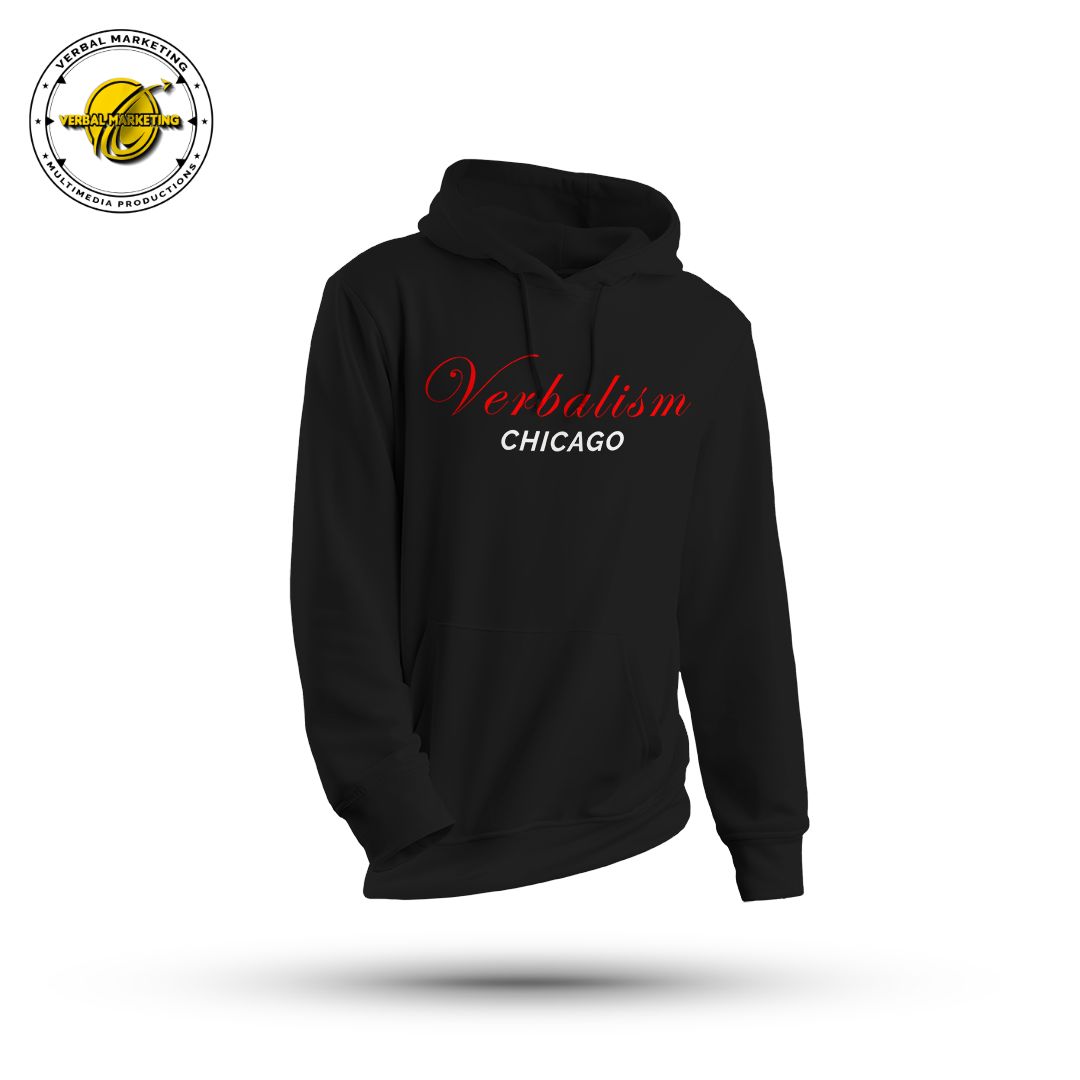
VERBALISM | CHICAGO SEA RED | SIGNATURE COLLECTION HOODIE

VERBALISM | B'MORE BLACK | SIGNATURE COLLECTION HOODIE

VERBALISM | BALTIMORE POE PURPLE | SIGNATURE COLLECTION HOODIE
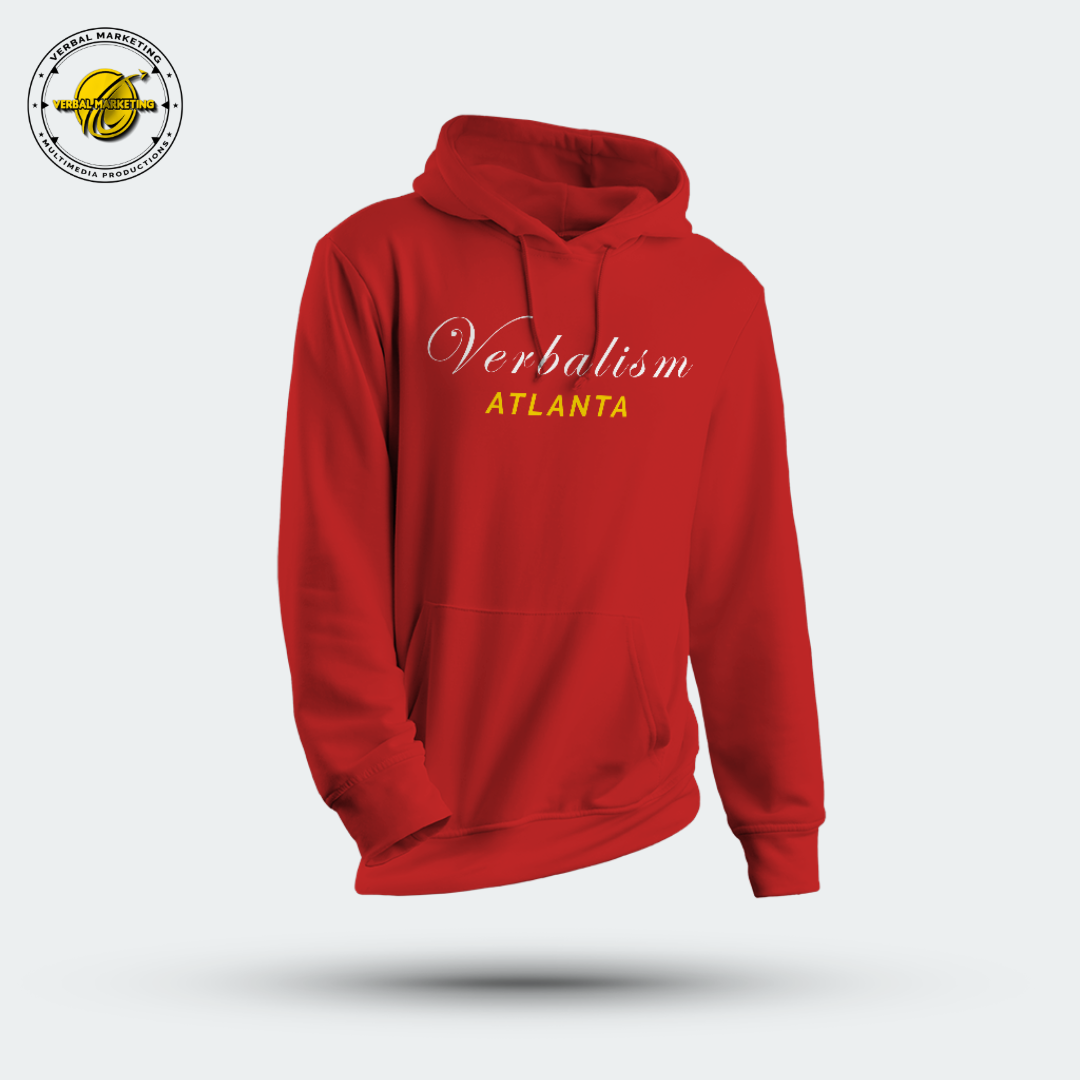
VERBALISM | ATLANTA RED DAWG | SIGNATURE COLLECTION HOODIE

VERBALISM | ATLANTA BLACK FALCON | SIGNATURE COLLECTION HOODIE

VERBALISM | GOTHAM BLUE | SIGNATURE COLLECTION HOODIE

VERBALISM | GOTHAM ORANGE | SIGNATURE COLLECTION HOODIE
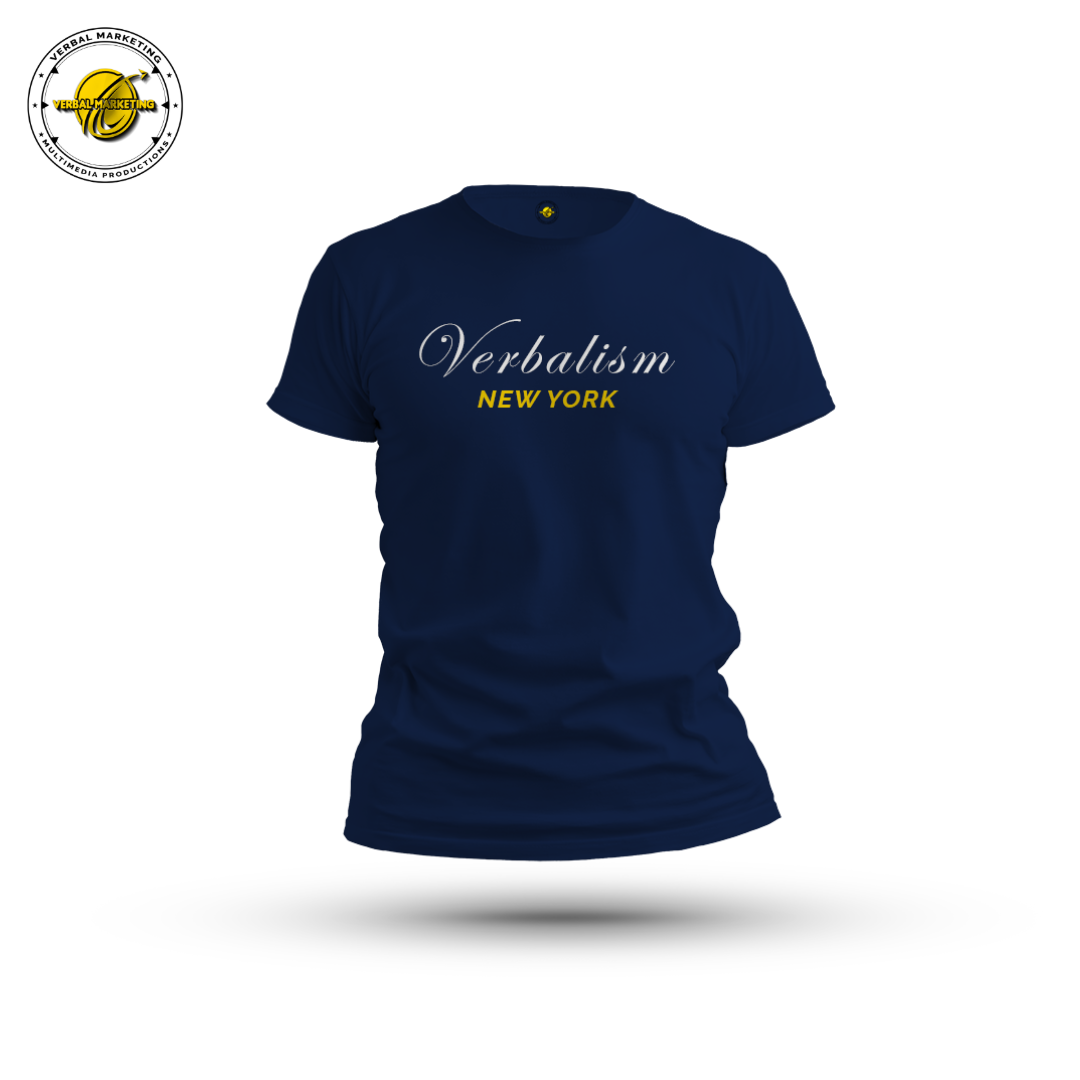
VERBALISM | GOTHAM BLUE | SIGNATURE COLLECTION T-SHIRT
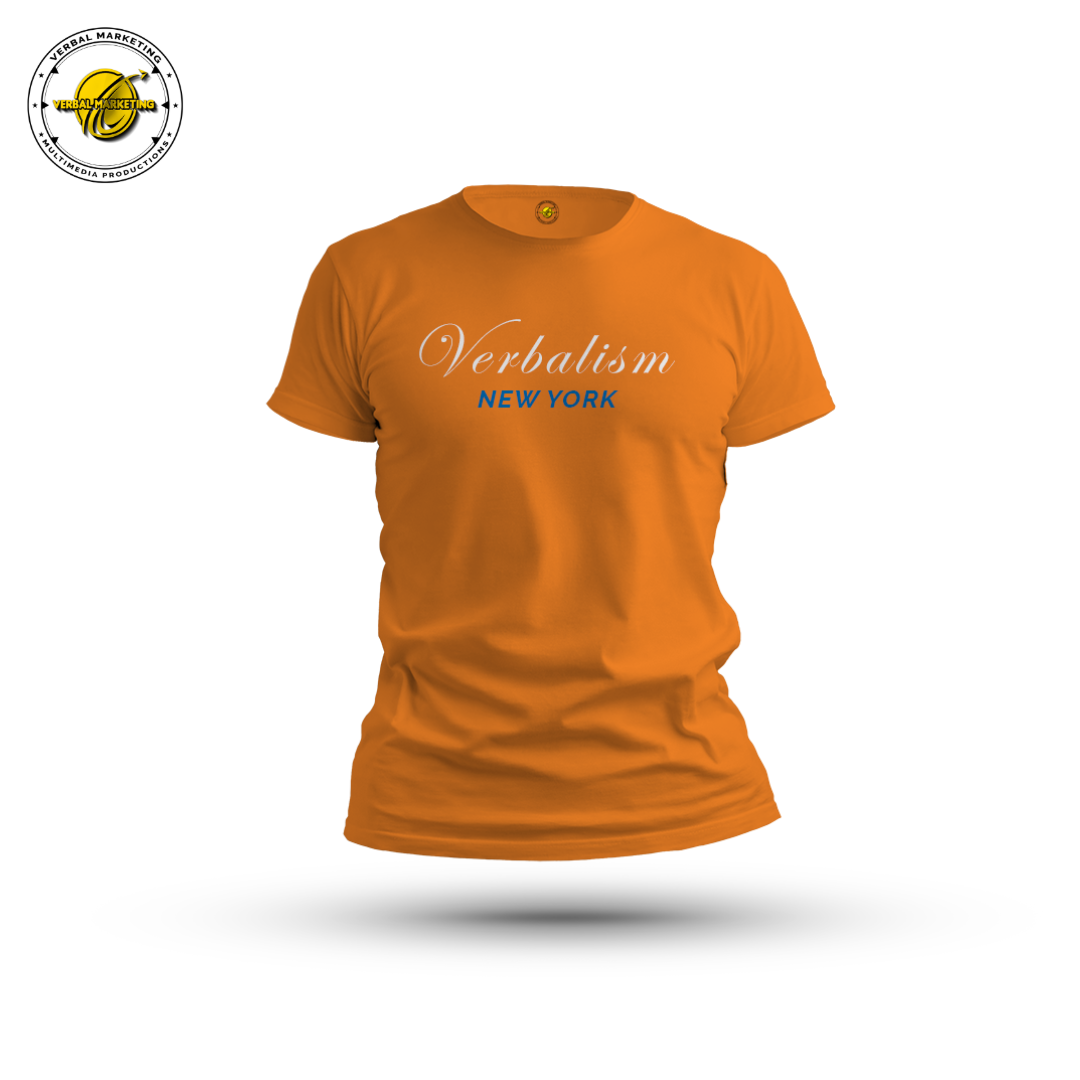
VERBALISM | GOTHAM ORANGE | SIGNATURE COLLECTION T-SHIRT
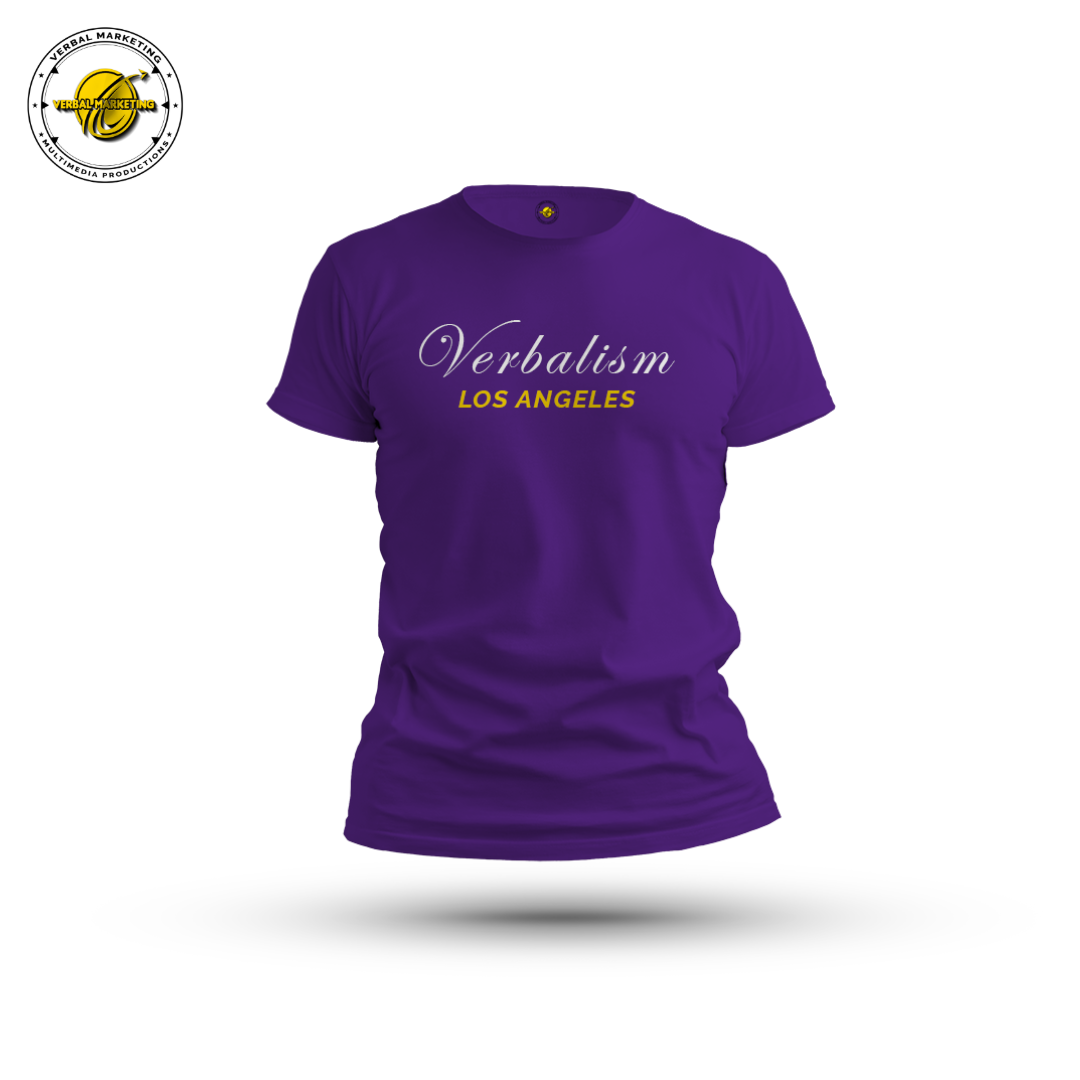
VERBALISM | SHOWTIME PURPLE | SIGNATURE COLLECTION T-SHIRT
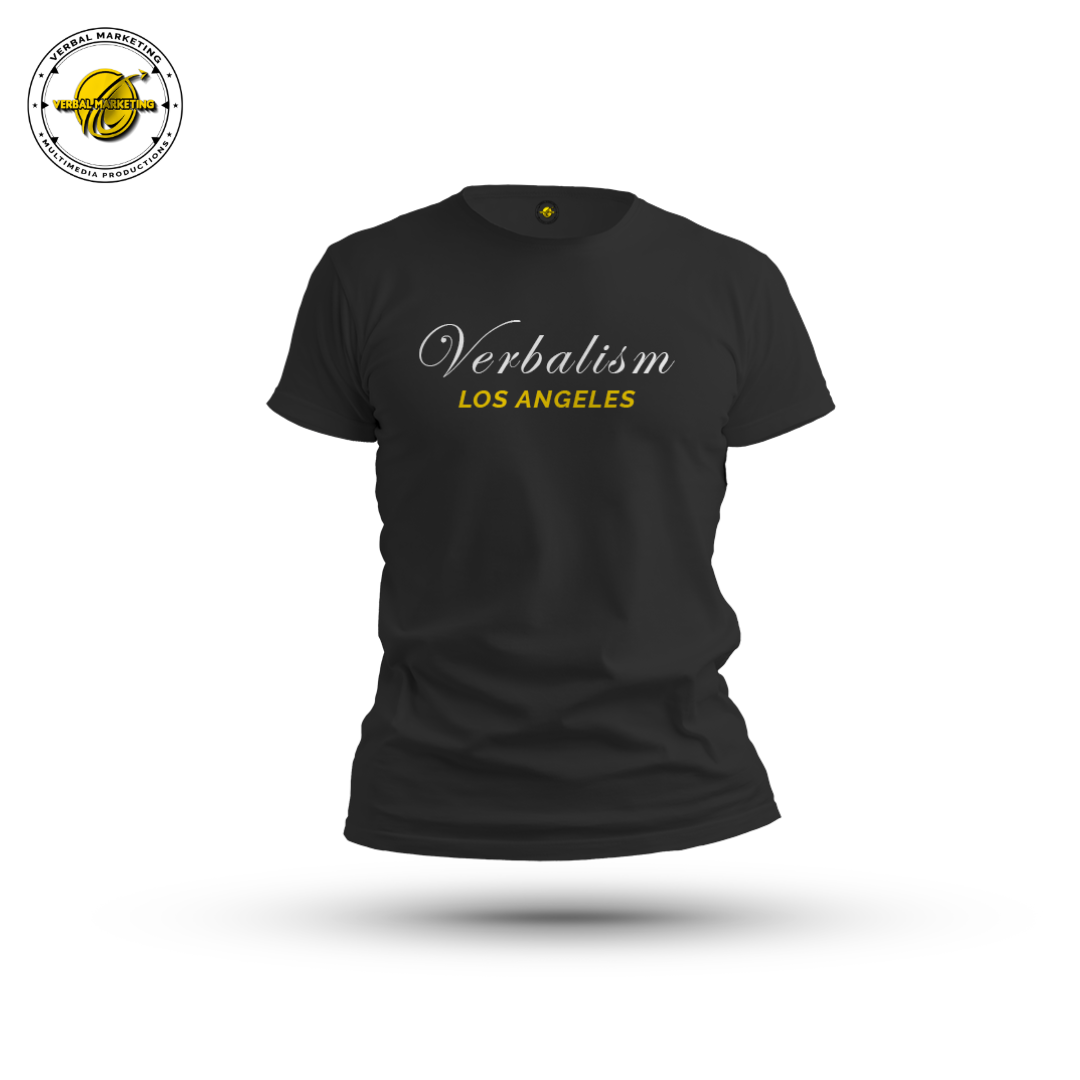
VERBALISM | SHOWTIME BLACK | SIGNATURE COLLECTION T-SHIRT
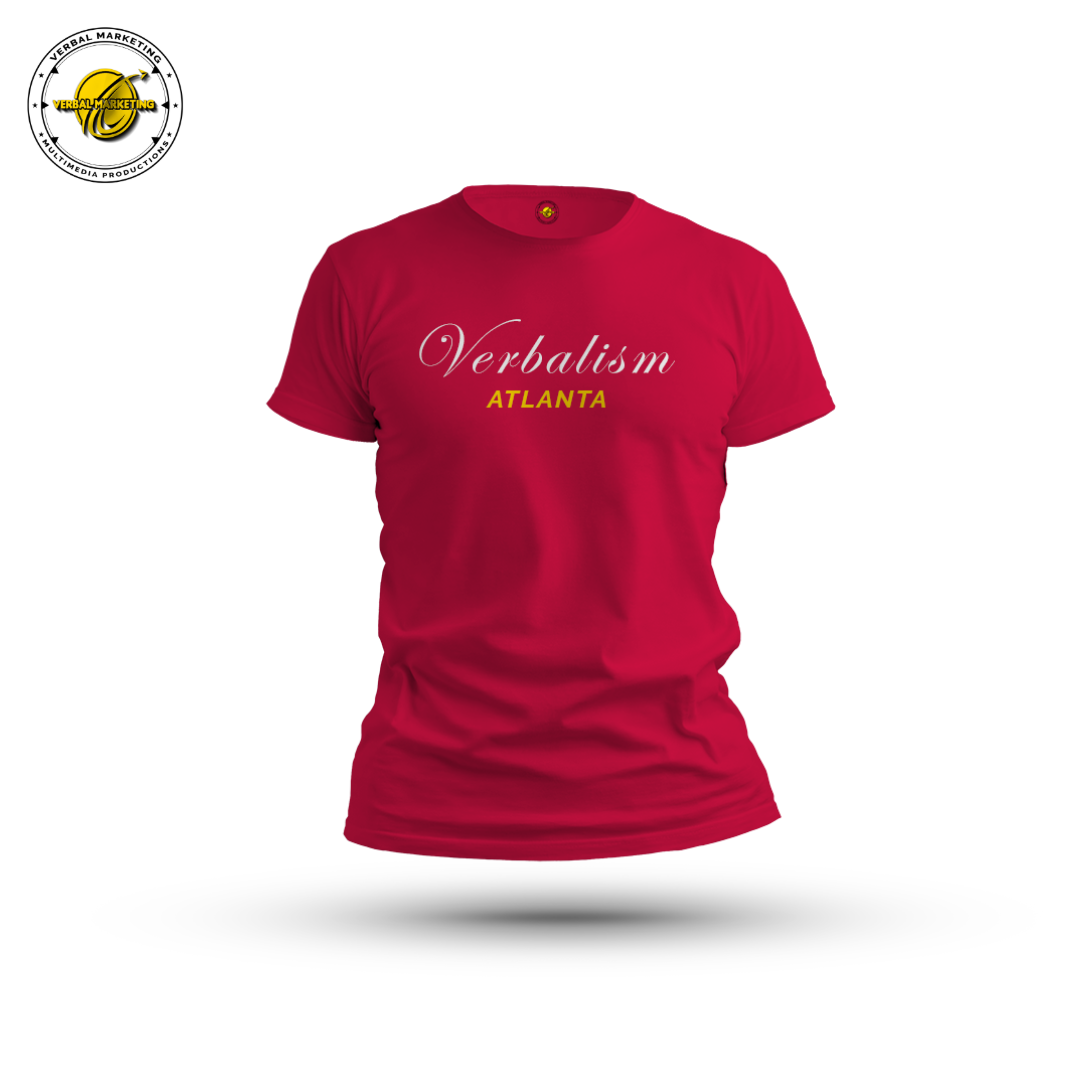
VERBALISM | RED DAWG | SIGNATURE COLLECTION T-SHIRT
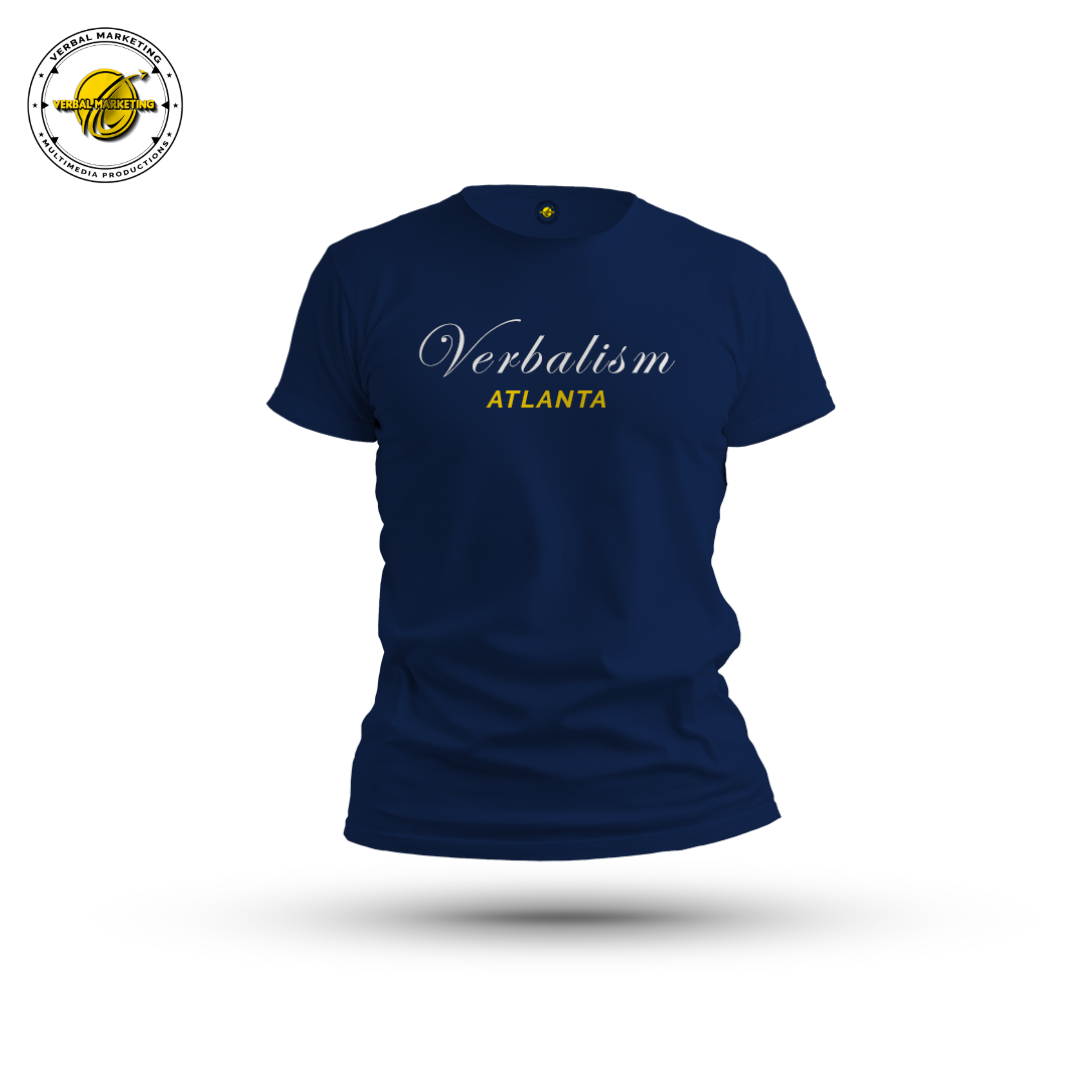
VERBALISM | BRAVE BLUE | SIGNATURE COLLECTION T-SHIRT
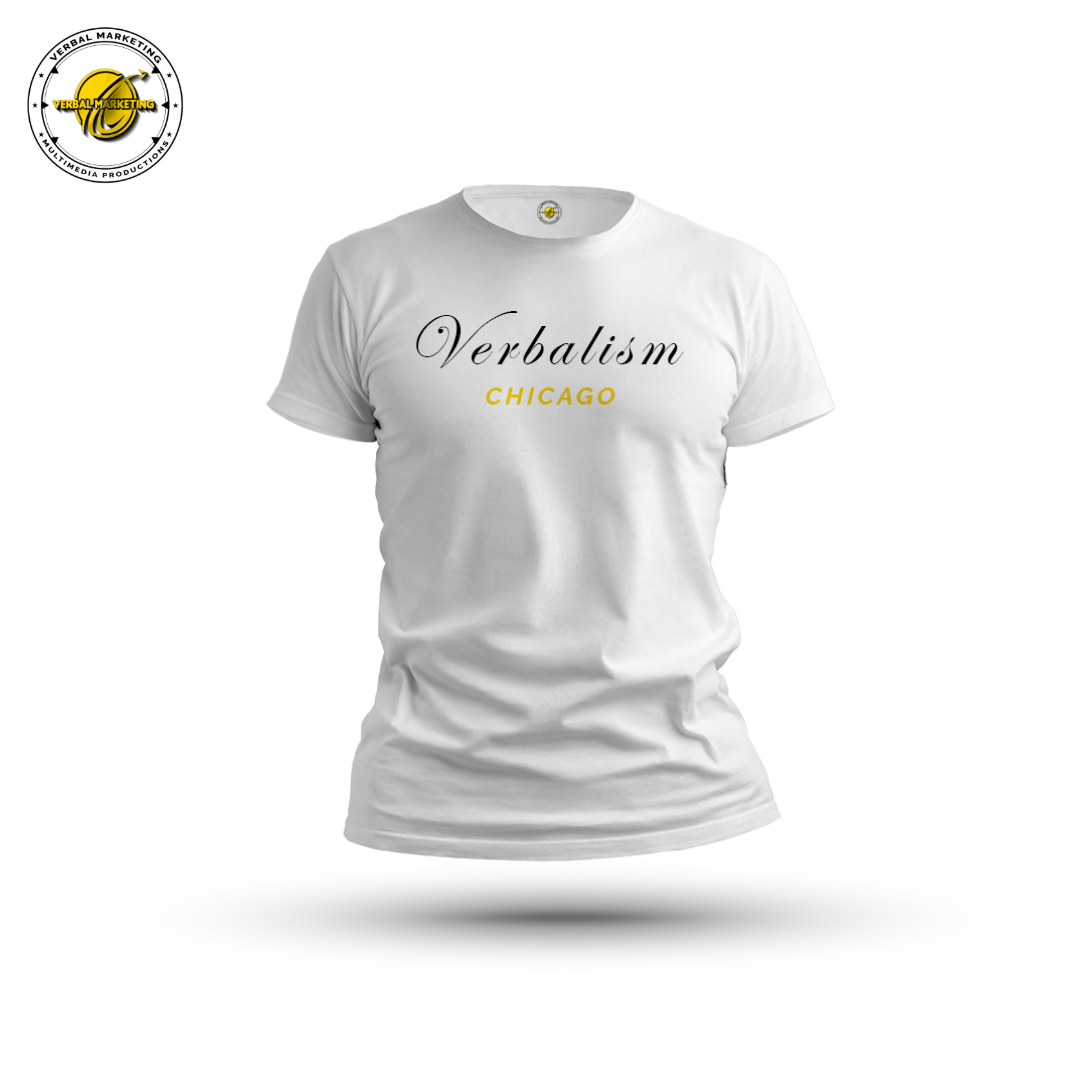
VERBALISM | OFF-WHITE | SIGNATURE COLLECTION T-SHIRT
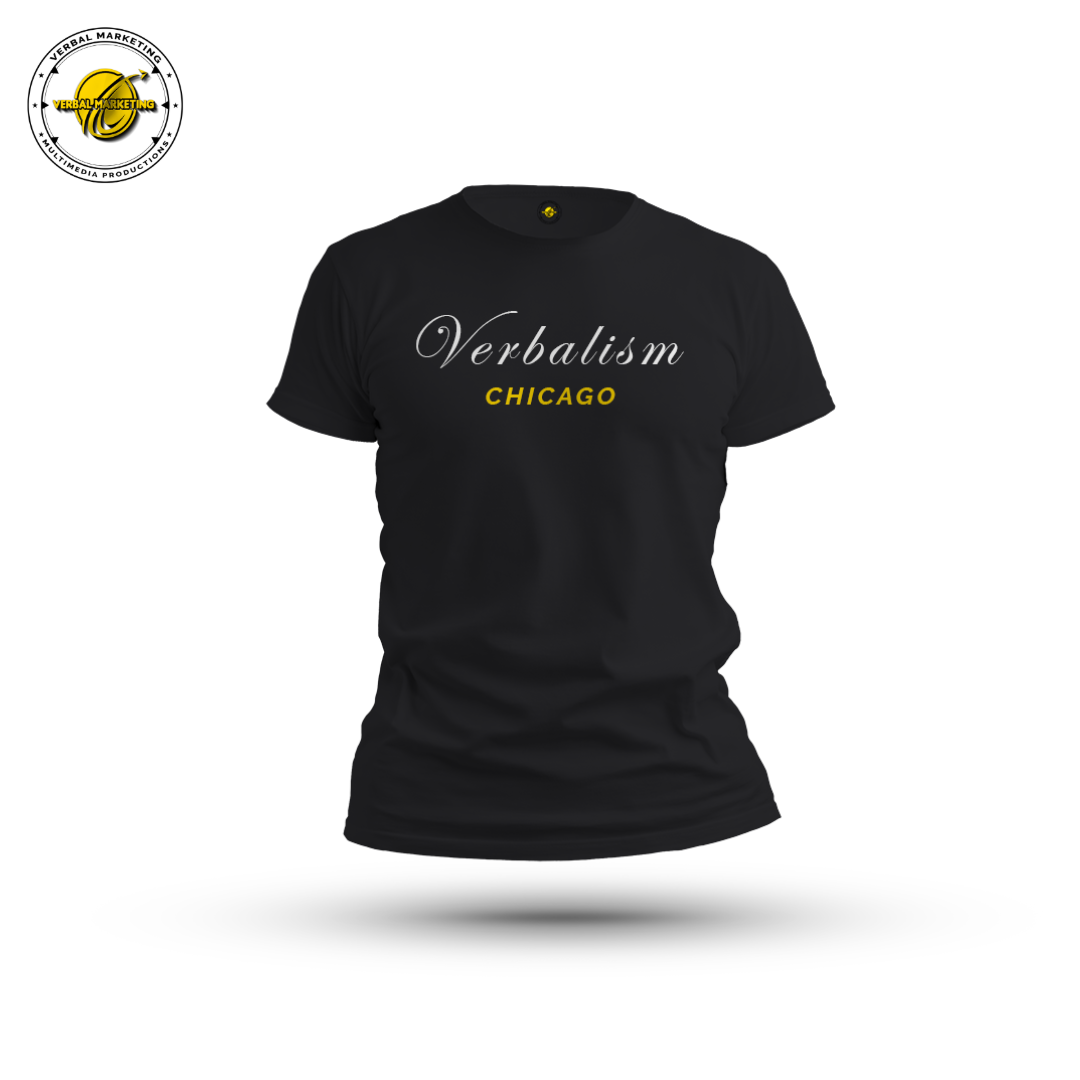
VERBALISM | SOUTHSIDE BLACK | SIGNATURE COLLECTION T-SHIRT

VERBALISM | MIDNIGHT GREEN | SIGNATURE COLLECTION T-SHIRT

VERBALISM | PHILLY CLASSIC | SIGNATURE COLLECTION T-SHIRT

VERBALISM | SILVER EAGLE | SIGNATURE COLLECTION T-SHIRT
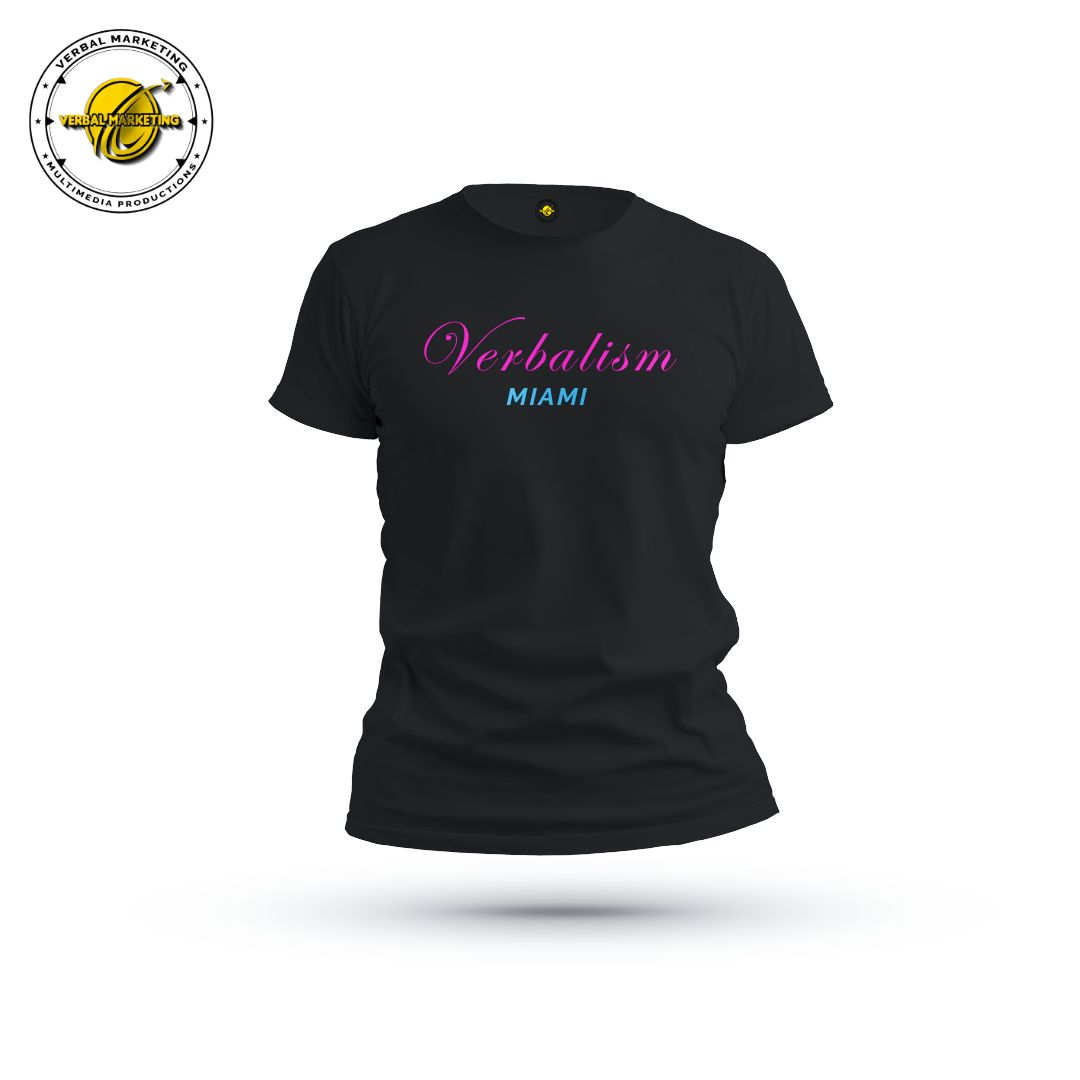
VERBALISM | BRICKELL BLACK | SIGNATURE COLLECTION T-SHIRT

VERBALISM | WYNWOOD FUCHSIA | SIGNATURE COLLECTION T-SHIRT
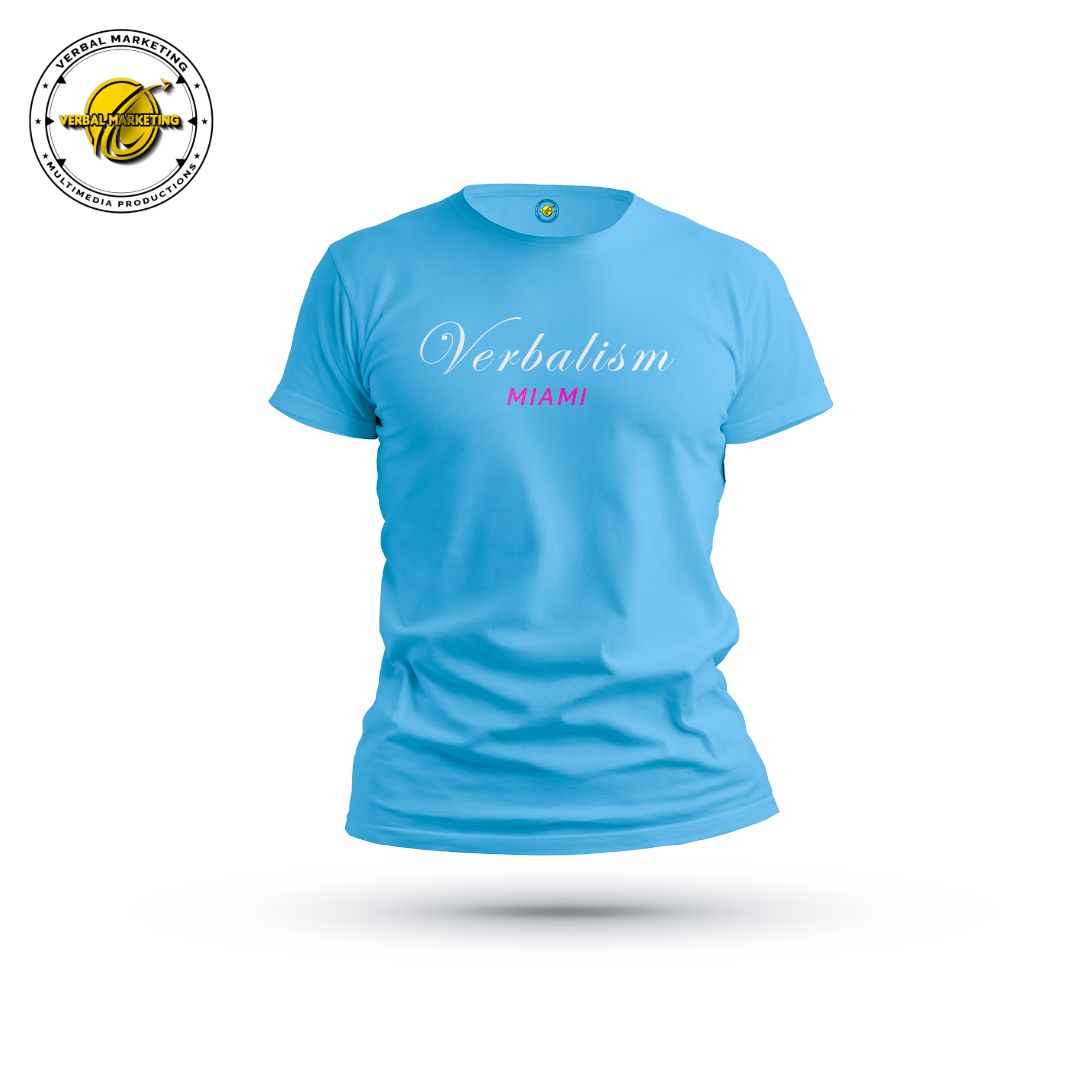
VERBALISM | BISCAYNE BLUE | SIGNATURE COLLECTION T-SHIRT


