WRESTLEMANIA 42: LEGACY, LEVERAGE, AND THE MONEY MACHINE IN LAS VEGAS

LEGACY, LEVERAGE, AND THE MONEY MACHINE IN LAS VEGAS
WrestleMania 42 hits Allegiant Stadium in Las Vegas on Saturday, April 18, and Sunday, April 19, with WWE pushing it as a two-night premium spectacle streaming on ESPN in the United States and Netflix internationally. But the deeper story is not just who wins the belts. The deeper story is that WrestleMania has become a live case study in how WWE and TKO monetize attention at the highest level.
On the surface, the card has all the right pieces: Cody Rhodes vs. Randy Orton, CM Punk vs. Roman Reigns, Jade Cargill vs. Rhea Ripley, Brock Lesnar vs. Oba Femi, and a celebrity-infused ecosystem with John Cena hosting and names like Logan Paul and IShowSpeed helping keep the event wired into internet culture. WWE is clearly selling more than wrestling. It is selling legacy, virality, nostalgia, crossover relevance, and a citywide experience.
That is why this matters culturally. WrestleMania is one of the clearest examples in sports entertainment of how a company can transform fandom into a layered form of commerce. Last year’s WrestleMania 41 in Las Vegas became the most successful event in WWE history, with WWE citing record gate, viewership, merchandise sales, sponsorship revenue, and social media performance. AP also reported an estimated $322.2 million economic impact for Las Vegas, with roughly 90% of attendees coming from outside the local market. That turns WrestleMania 42 into more than a sequel. It becomes a test of whether WWE can repeat a destination-event formula powerful enough to move both culture and capital.
The media reaction leading into the weekend has centered on the card strength, the ESPN-era U.S. distribution shift, the Roman Reigns–CM Punk aura battle, and the broader “WWE takes over Las Vegas” narrative. That reaction matters because it shows how WWE’s business model now depends on more than match quality. It depends on attention density: mainstream sports conversation, wrestling media speculation, influencer spillover, and fan travel all feed the same weekend machine.
From a power and reputation standpoint, WrestleMania 42 is a referendum on WWE/TKO’s ability to sustain premium pricing and premium perception. Success this weekend will not be measured only by attendance. It will be measured by how well WWE converts the Vegas setting into gate, hospitality, merchandise, sponsorship value, streaming performance, and future leverage with cities, brands, and platforms. Last year, WWE said On Location sales jumped 75%, onsite merchandise rose more than 45% over the previous record, e-commerce rose 86%, and the event attracted 28 total partners. That is the real scoreboard hanging over this weekend.
What to watch next is simple: who leaves this weekend looking like the future, and whether WWE can keep balancing old-school star power with a modern attention economy. Cody, Punk, Roman, Orton, Brock, and Cena represent proven gravity. Jade Cargill, Oba Femi, Trick Williams, Stephanie Vaquer, and others represent the next wave of investment. WrestleMania 42 is where WWE tries to prove it can cash in on both at once.
The underground insight is this: WrestleMania 42 is not just a wrestling card. It is WWE’s annual state-of-the-empire address. The entrances, titles, and crowd reactions are the visible product. The real product is leverage. Leverage with media companies. Leverage with sponsors. Leverage with host cities. Leverage with fans willing to travel, spend, and turn one weekend into a lifestyle event. That is why Las Vegas matters. And that is why this weekend is really about the business of spectacle.
Is WrestleMania 42 still primarily about wrestling, or has it become WWE’s most powerful money-and-influence machine disguised as a wrestling weekend?

HOW NIGHT 2 MUST CASH IN ON THE CHAOS
Night 1 of WrestleMania 42 did more than entertain. It raised the financial and reputational pressure on Night 2. Cody Rhodes retained, but Randy Orton’s post-match punt became the emotional scar of the evening. Liv Morgan captured the Women’s World Championship, Gunther beat Seth Rollins after Bron Breakker’s return shifted the match, and Paige returned to help win the Women’s Tag Team Championship. By the end of Saturday, WWE had already packed the weekend with betrayal, title movement, comeback energy, and viral moments.
That is why Night 2 now feels like the money round. Not just because of CM Punk vs. Roman Reigns, Jade Cargill vs. Rhea Ripley, Oba Femi vs. Brock Lesnar, and the rest of the card, but because WWE has already conditioned WrestleMania to be judged as a premium two-night business event, not just a wrestling show. WWE’s official Night 2 lineup makes Sunday the night of defining images: Punk and Roman in the legacy fight, Jade and Rhea in a star-aura collision, and Oba Femi and Trick Williams in matches that feel like live auditions for the future.
What makes this bigger is the business shadow hanging over the weekend. WWE and TKO said WrestleMania 41 in Las Vegas became the most successful event in company history, citing the largest gate in WWE history, 124,693 fans across two nights, onsite merchandise up more than 45% over the prior all-time record, ecommerce up 86%, a record 28 partners, and 1.1 billion social views across the weekend. Those are not just bragging points. They are the benchmark WrestleMania 42 is now standing under.
That makes Night 2 more than a closing chapter. It becomes the night that decides whether WrestleMania 42 feels merely loud or truly valuable. In a modern WWE economy, value is not just match quality. It is replay value, shareability, narrative closure, star elevation, and whether the final images are strong enough to travel across sports media, social timelines, YouTube clips, and Monday-morning conversation. That is why Punk vs. Roman matters so much. It is the match most likely to become the enduring image of the weekend. That is why Jade vs. Rhea matters too. It is the type of matchup that can convert attention into long-term star equity. This is where legacy, optics, and business meet.
The social-media layer matters here too. WWE’s own benchmark from last year shows that WrestleMania is now measured partly by attention scale rather than just attendance. That means Night 1’s chaos did its job: it gave the weekend clips, conversation, and emotional heat. Night 2 now has to bring definition. If Saturday was the disruption, Sunday has to become the statement. Otherwise, WrestleMania 42 risks feeling like a weekend that generated noise but didn't deliver a lasting identity.
The underground insight is simple: Night 1 made WrestleMania 42 trend. Night 2 has to make it matter. If CM Punk and Roman Reigns deliver the defining image, if Jade Cargill or Rhea Ripley leaves feeling larger, and if Oba Femi or Trick Williams looks like tomorrow instead of later, then Night 2 can turn chaos into legacy. If not, the first night may end up being remembered as the louder half of a weekend that never found its final shape.
Did Night 1 already win the attention battle, or can Night 2 deliver the image that gives WrestleMania 42 real value?

Subscribe Now To The Verbal Underground On Spotify, X, and YouTube
Stay locked in with The Verbal Underground for raw, unfiltered breakdowns on the stories shaping power, culture, media, and public opinion. If you value commentary that goes beyond the headline and challenges the narrative, subscribe and follow us on Spotify, X, and YouTube for more.
Powered by Verbal Marketing | Let Your Business Speak For Itself.
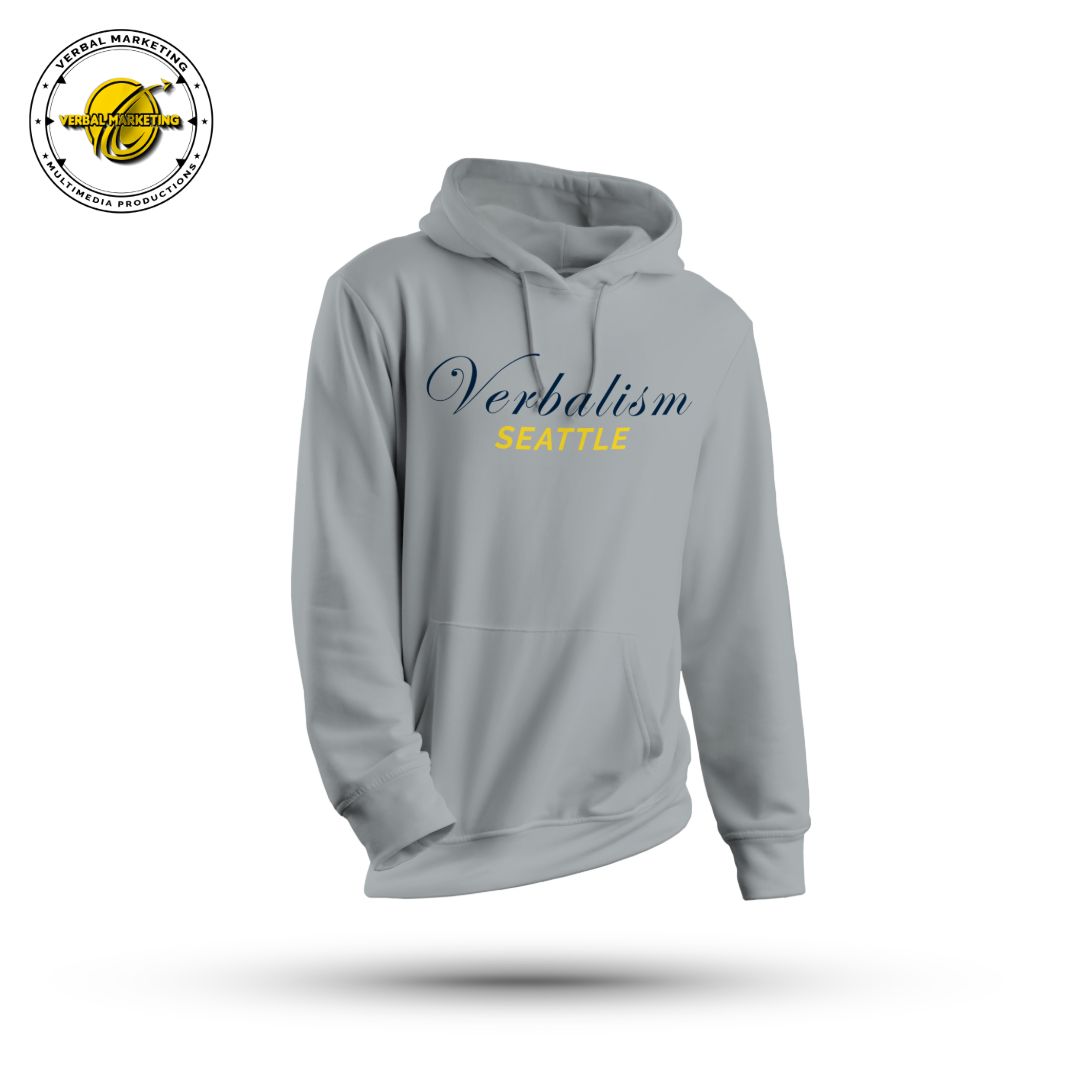
VERBALISM | SEATTLE GRIDIRON GRAY | SIGNATURE COLLECTION HOODIE
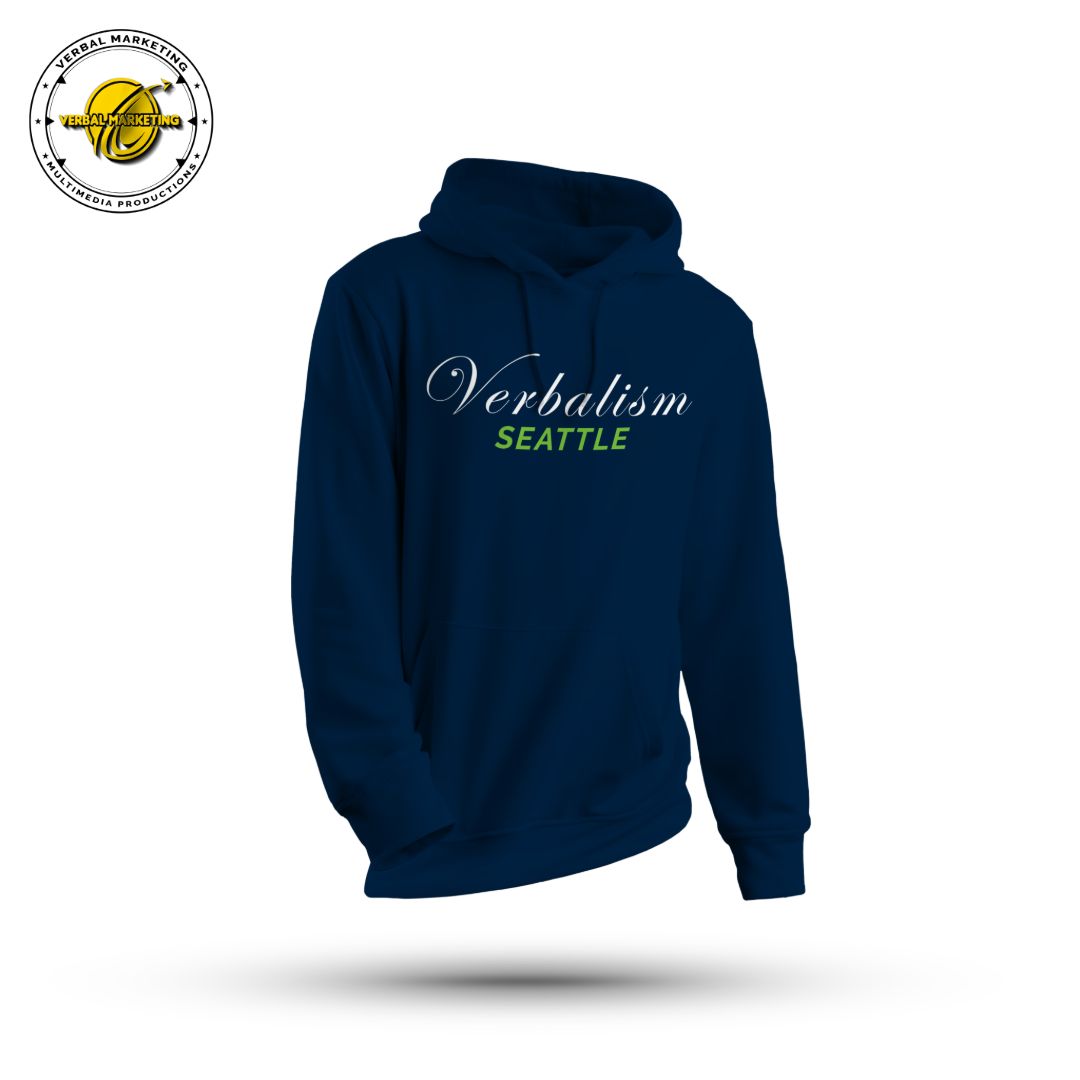
VERBALISM | SOUND & FOREST NAVY | SIGNATURE COLLECTION HOODIE
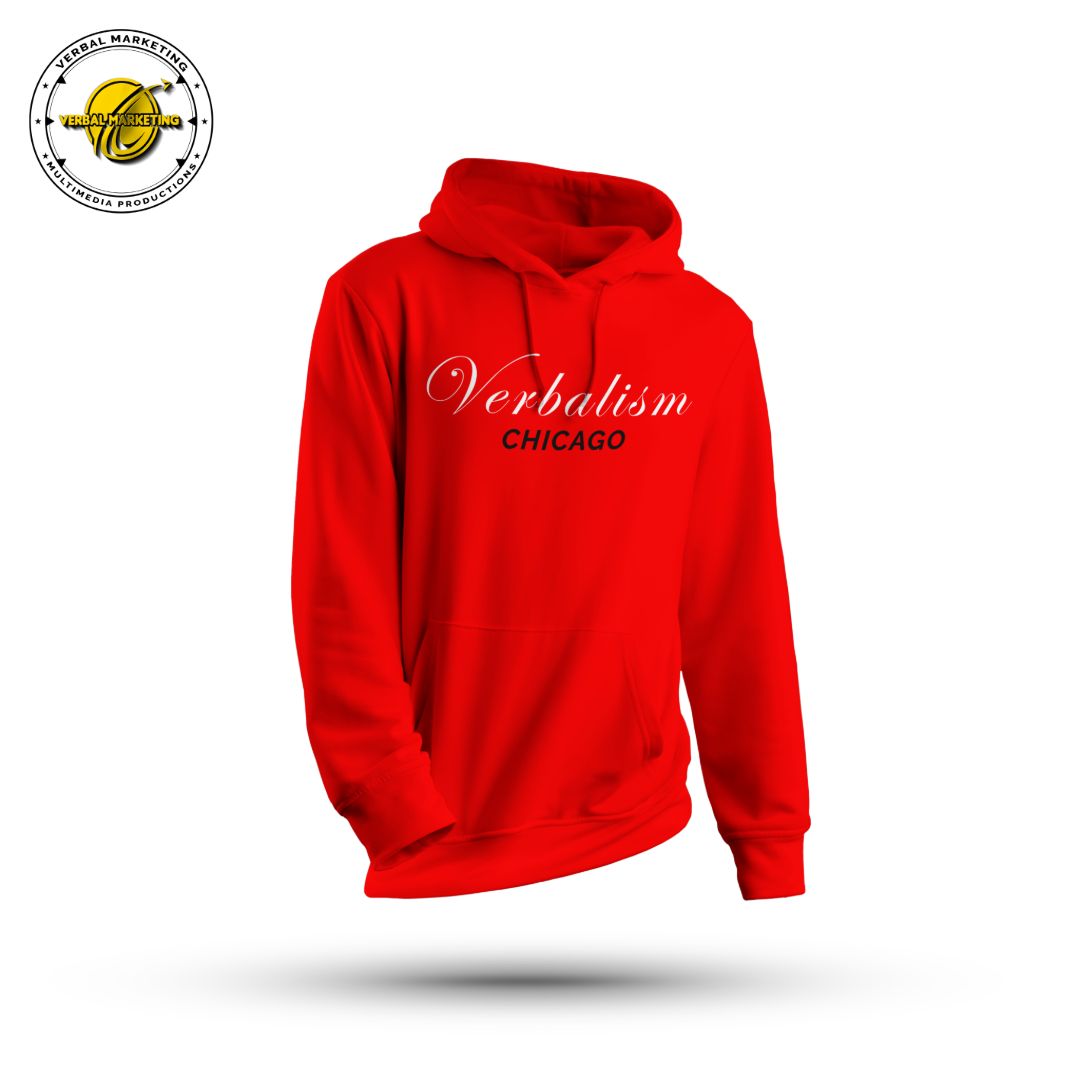
VERBALISM | CHICAGO SEA RED | SIGNATURE COLLECTION HOODIE
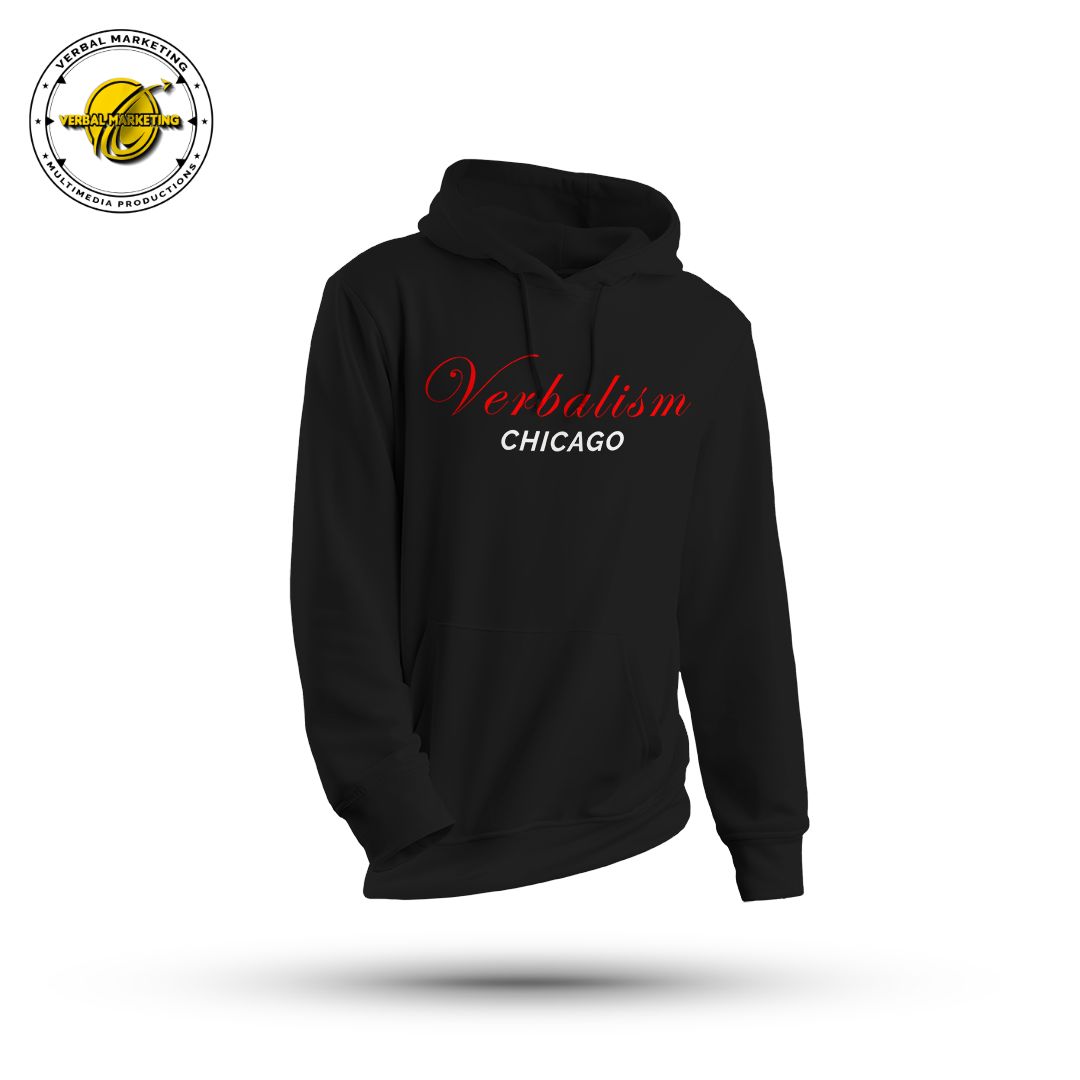
VERBALISM | CHICAGO SEA RED | SIGNATURE COLLECTION HOODIE

VERBALISM | B'MORE BLACK | SIGNATURE COLLECTION HOODIE
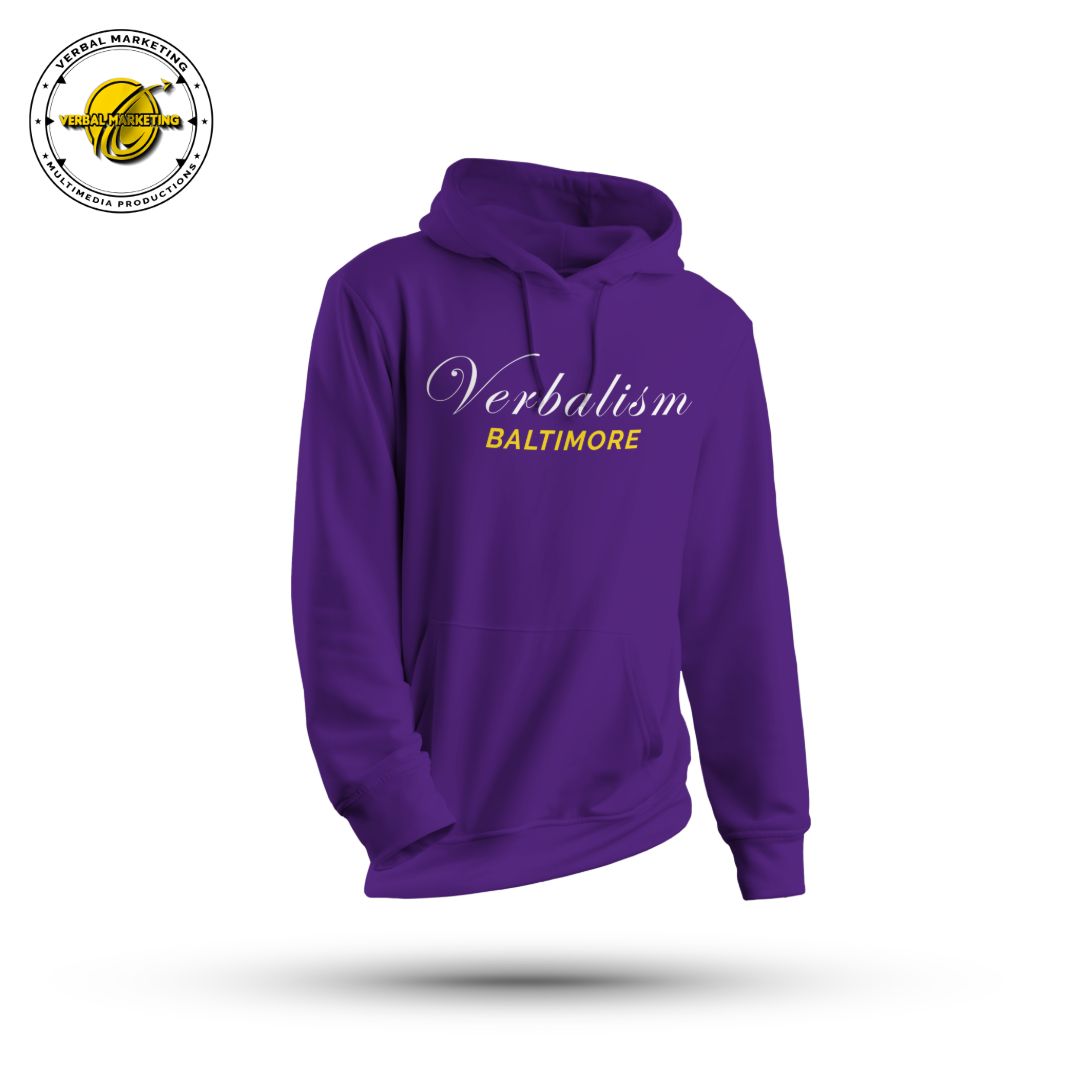
VERBALISM | BALTIMORE POE PURPLE | SIGNATURE COLLECTION HOODIE
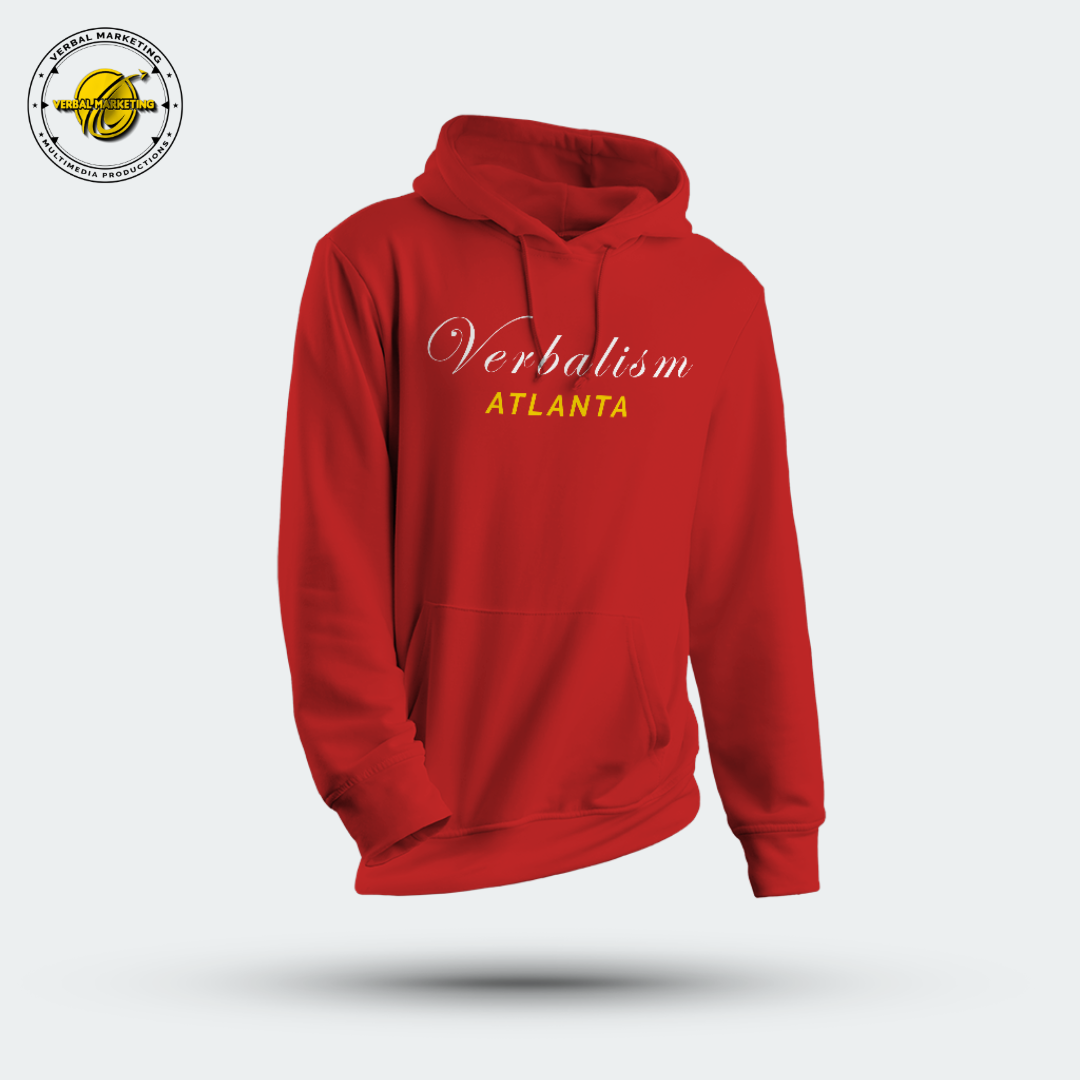
VERBALISM | ATLANTA RED DAWG | SIGNATURE COLLECTION HOODIE
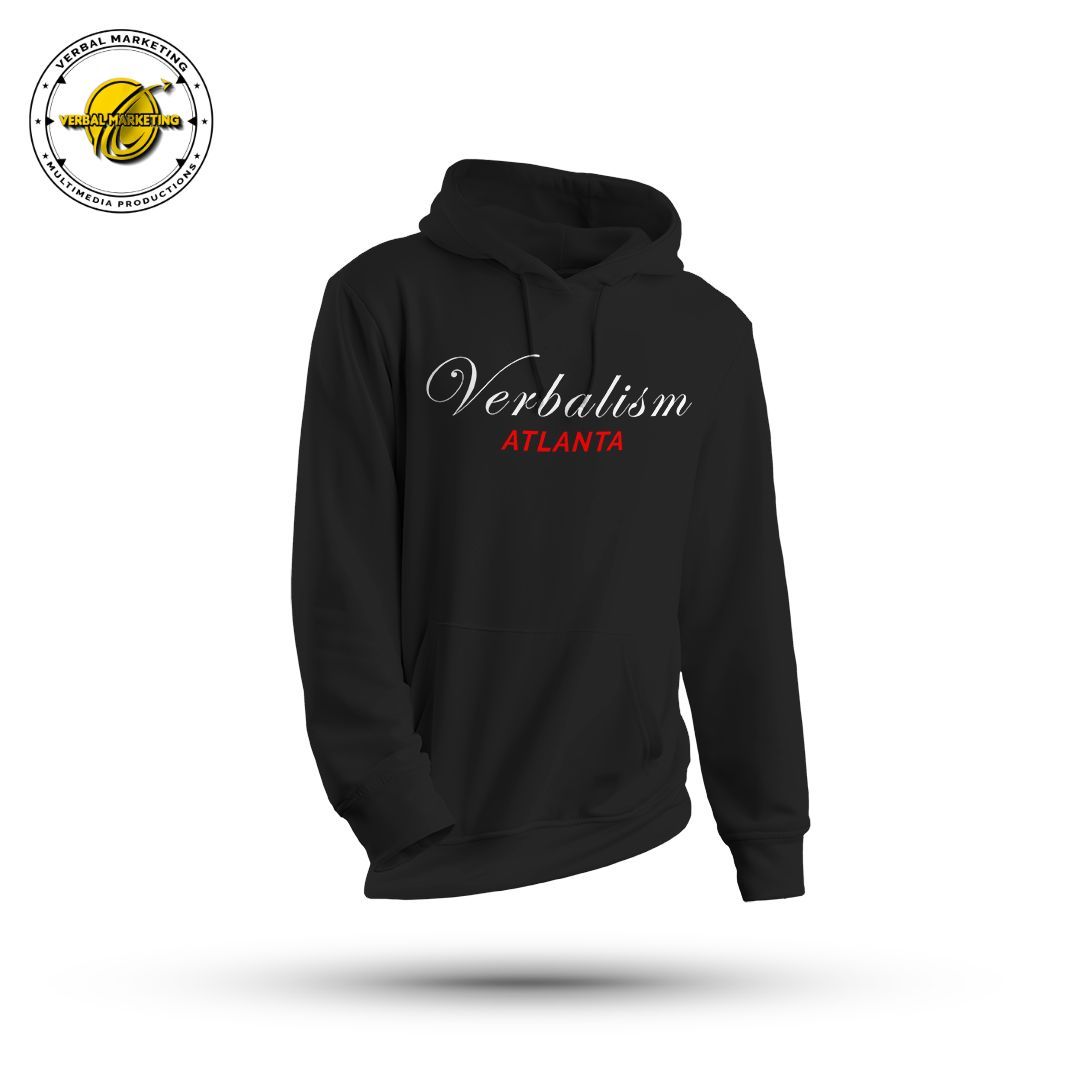
VERBALISM | ATLANTA BLACK FALCON | SIGNATURE COLLECTION HOODIE
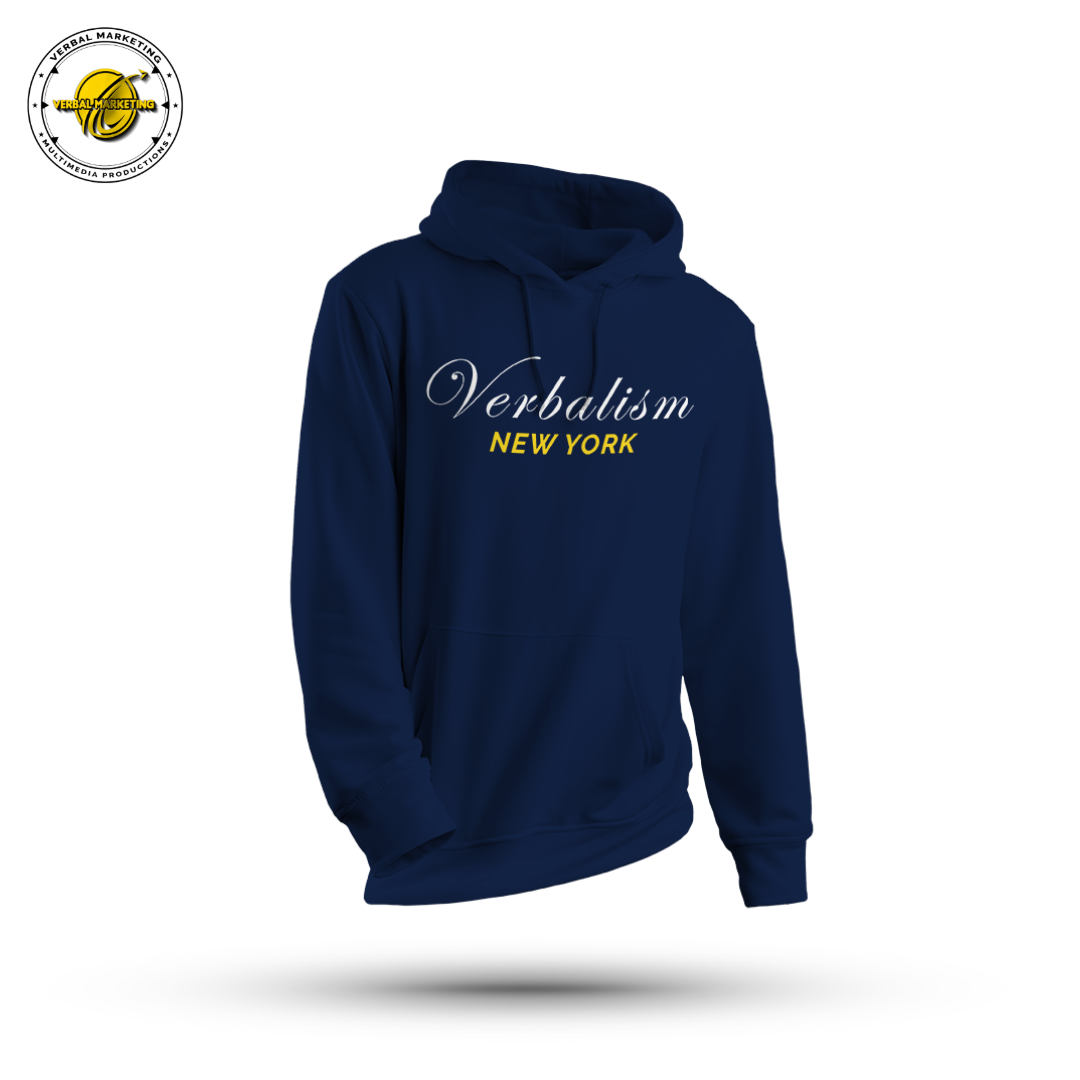
VERBALISM | GOTHAM BLUE | SIGNATURE COLLECTION HOODIE
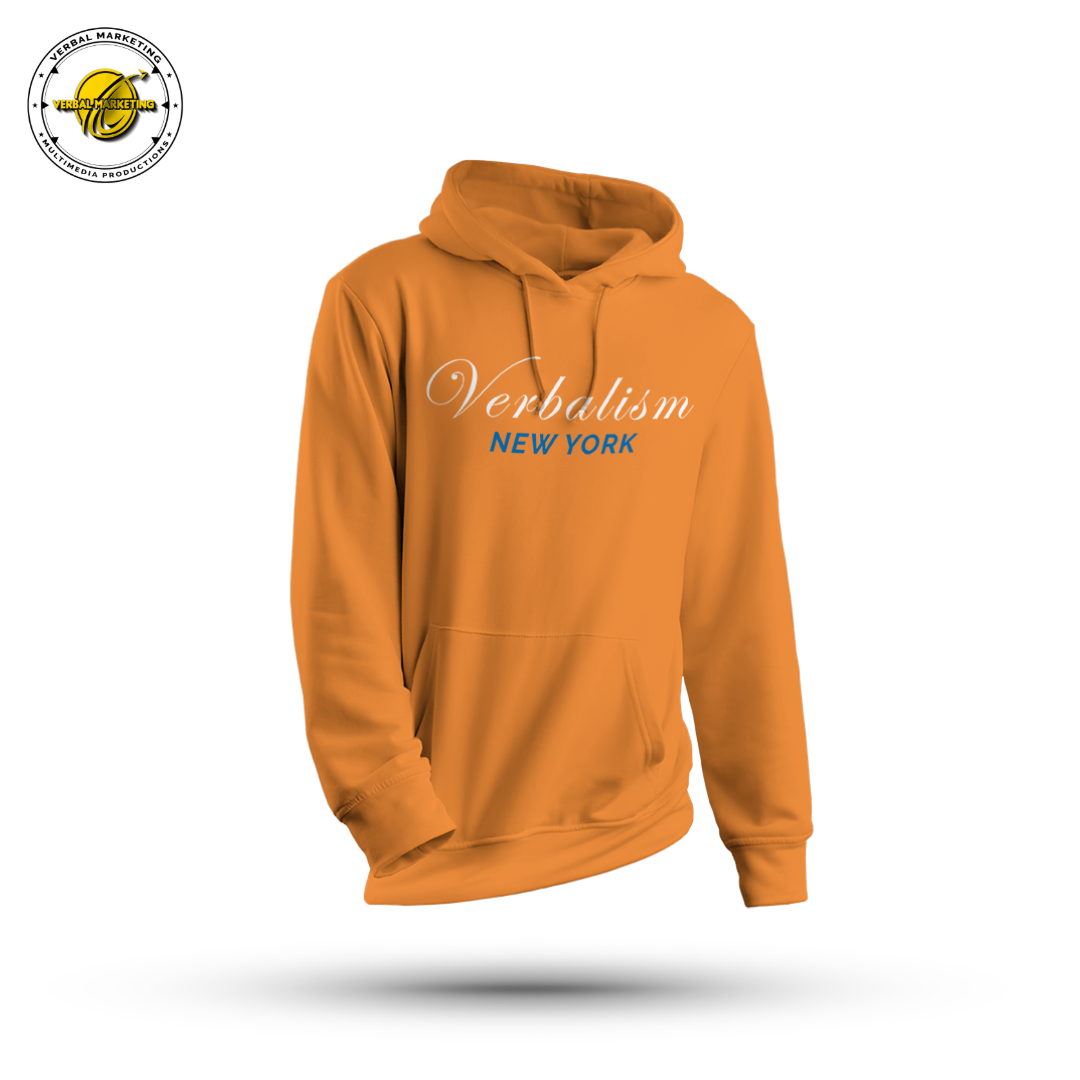
VERBALISM | GOTHAM ORANGE | SIGNATURE COLLECTION HOODIE
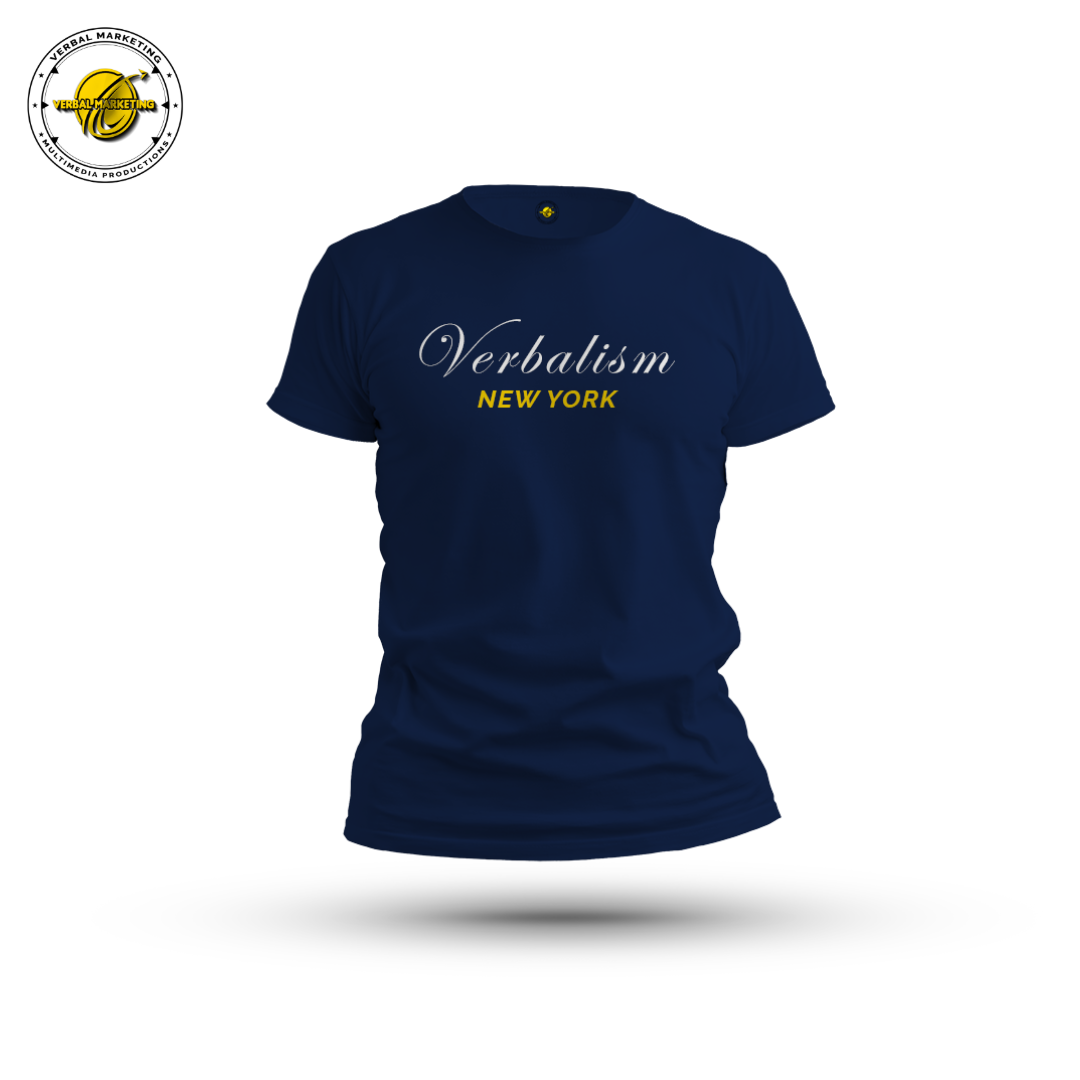
VERBALISM | GOTHAM BLUE | SIGNATURE COLLECTION T-SHIRT
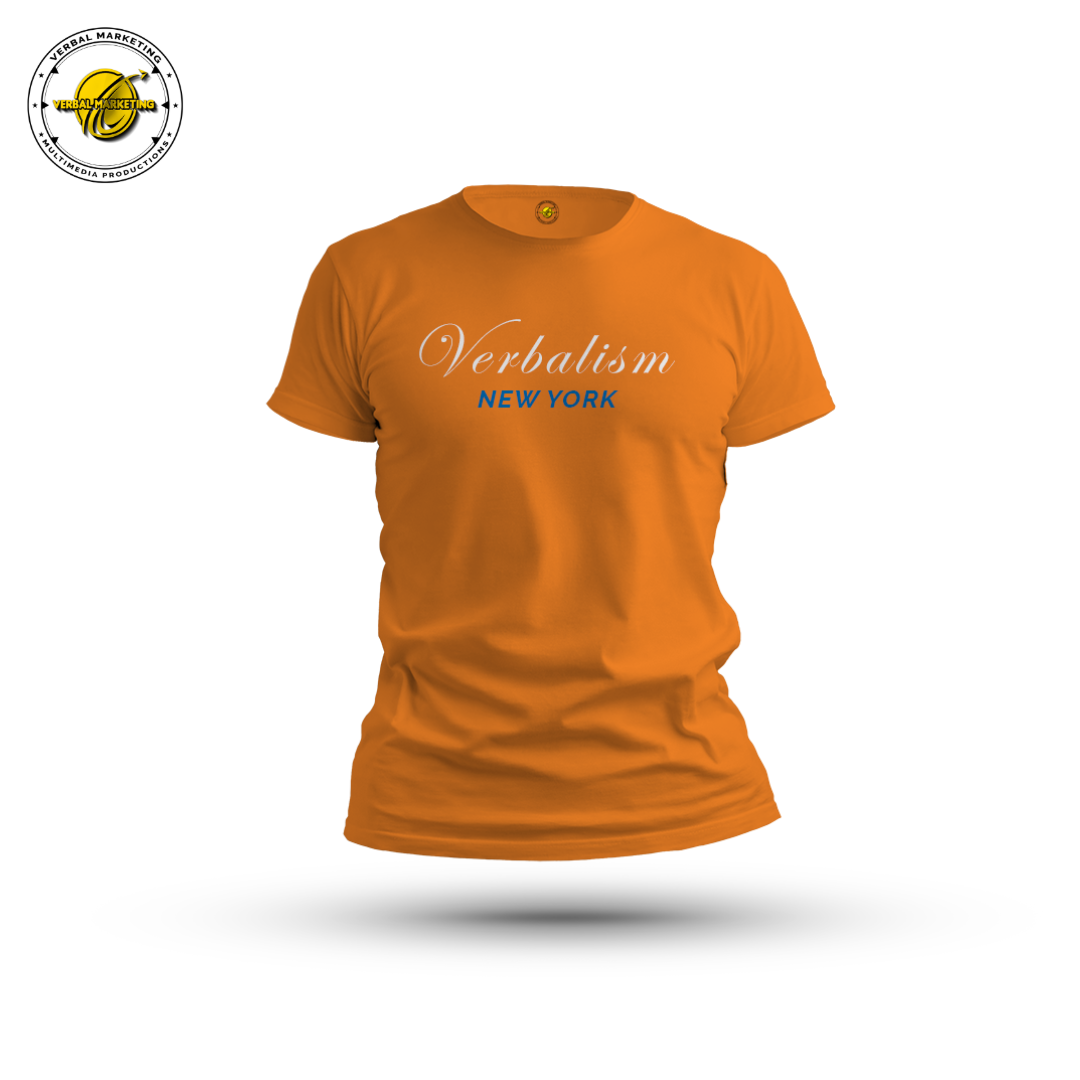
VERBALISM | GOTHAM ORANGE | SIGNATURE COLLECTION T-SHIRT
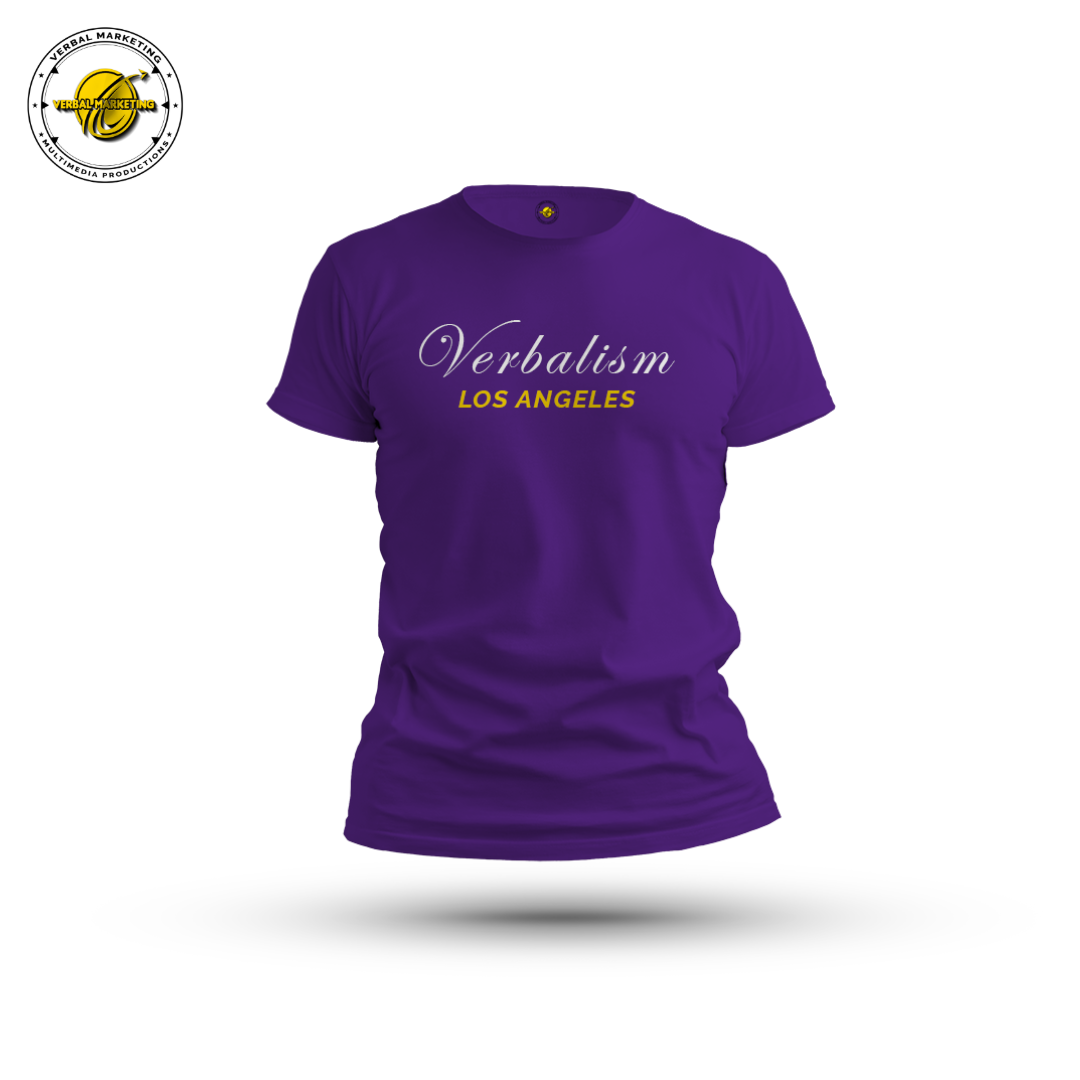
VERBALISM | SHOWTIME PURPLE | SIGNATURE COLLECTION T-SHIRT
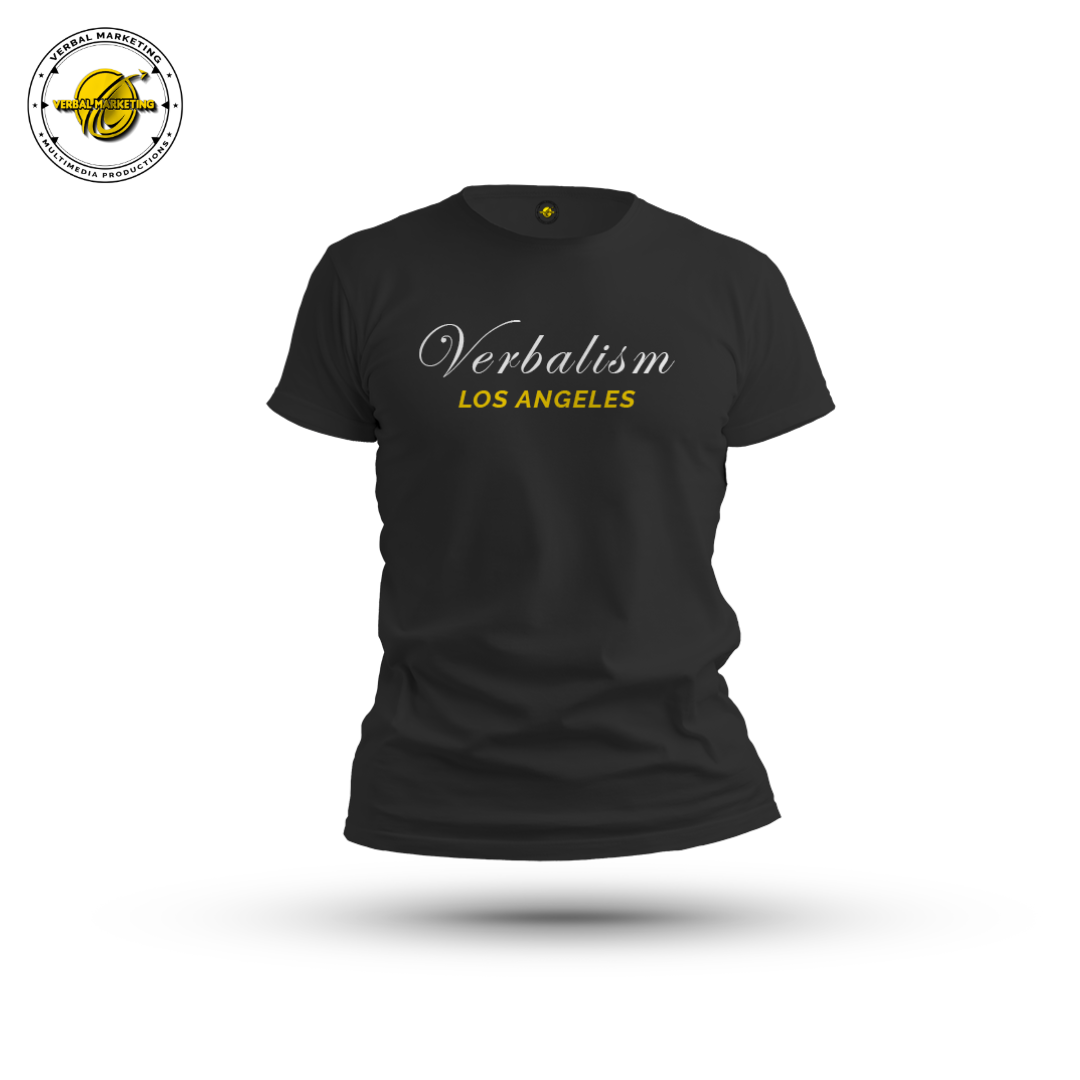
VERBALISM | SHOWTIME BLACK | SIGNATURE COLLECTION T-SHIRT
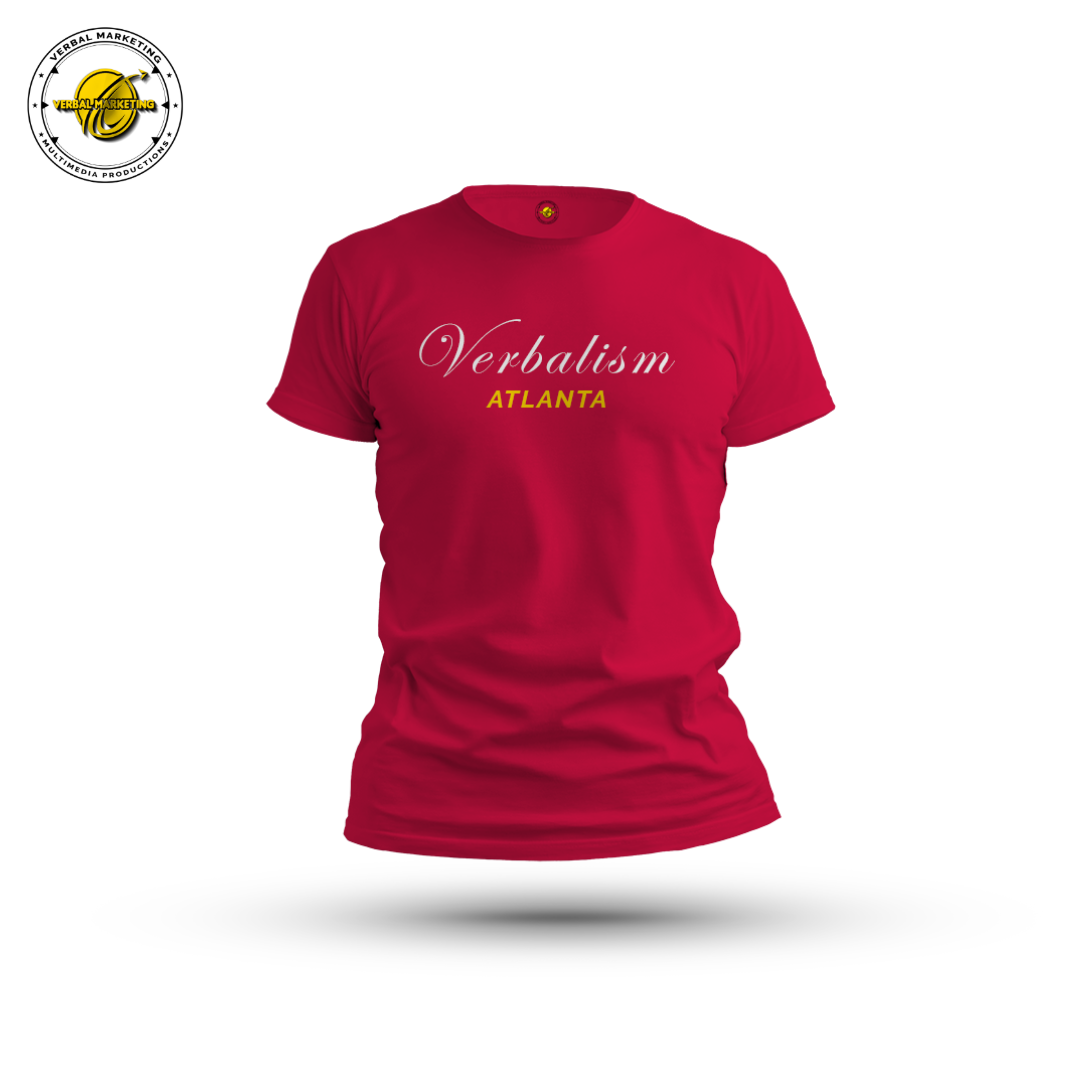
VERBALISM | RED DAWG | SIGNATURE COLLECTION T-SHIRT
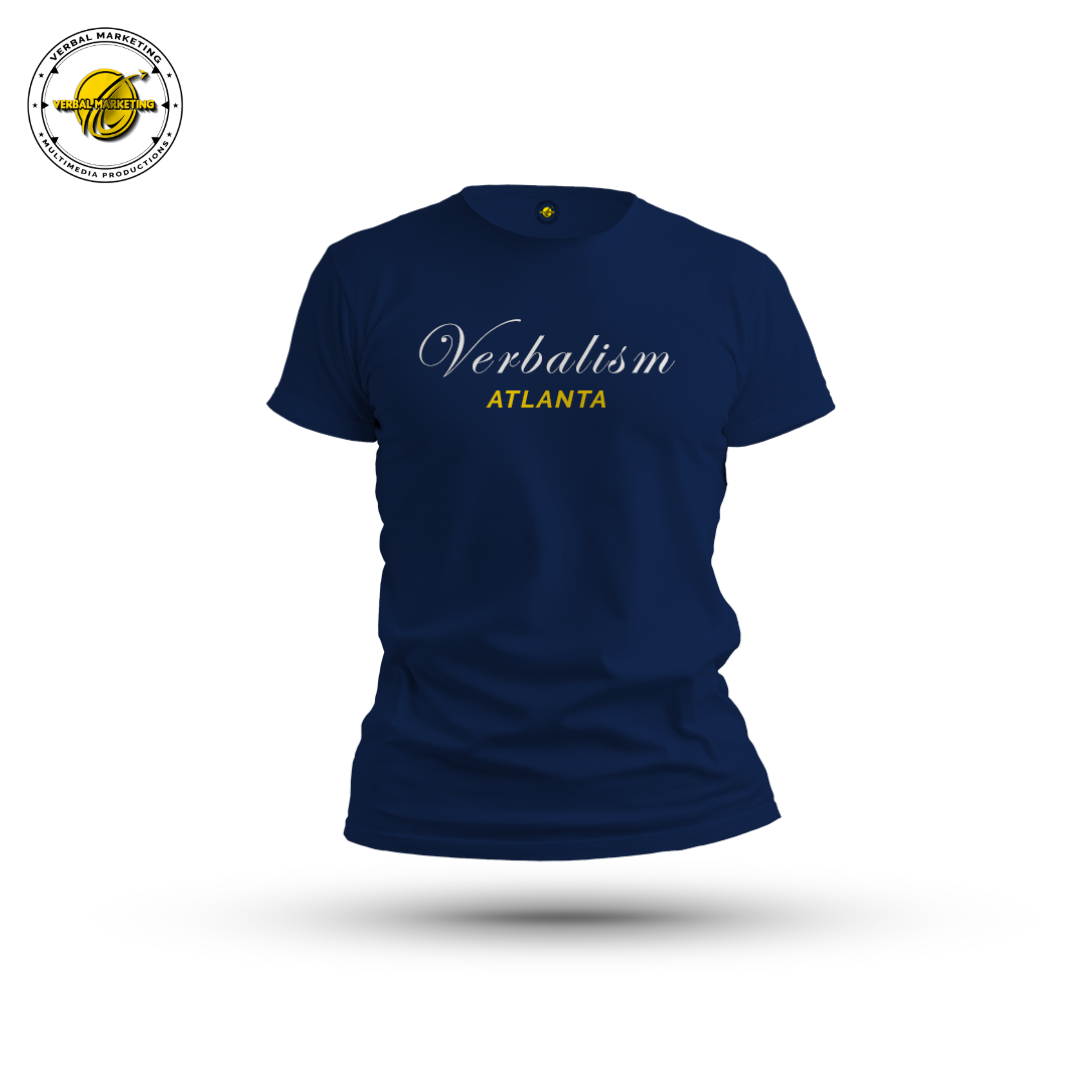
VERBALISM | BRAVE BLUE | SIGNATURE COLLECTION T-SHIRT
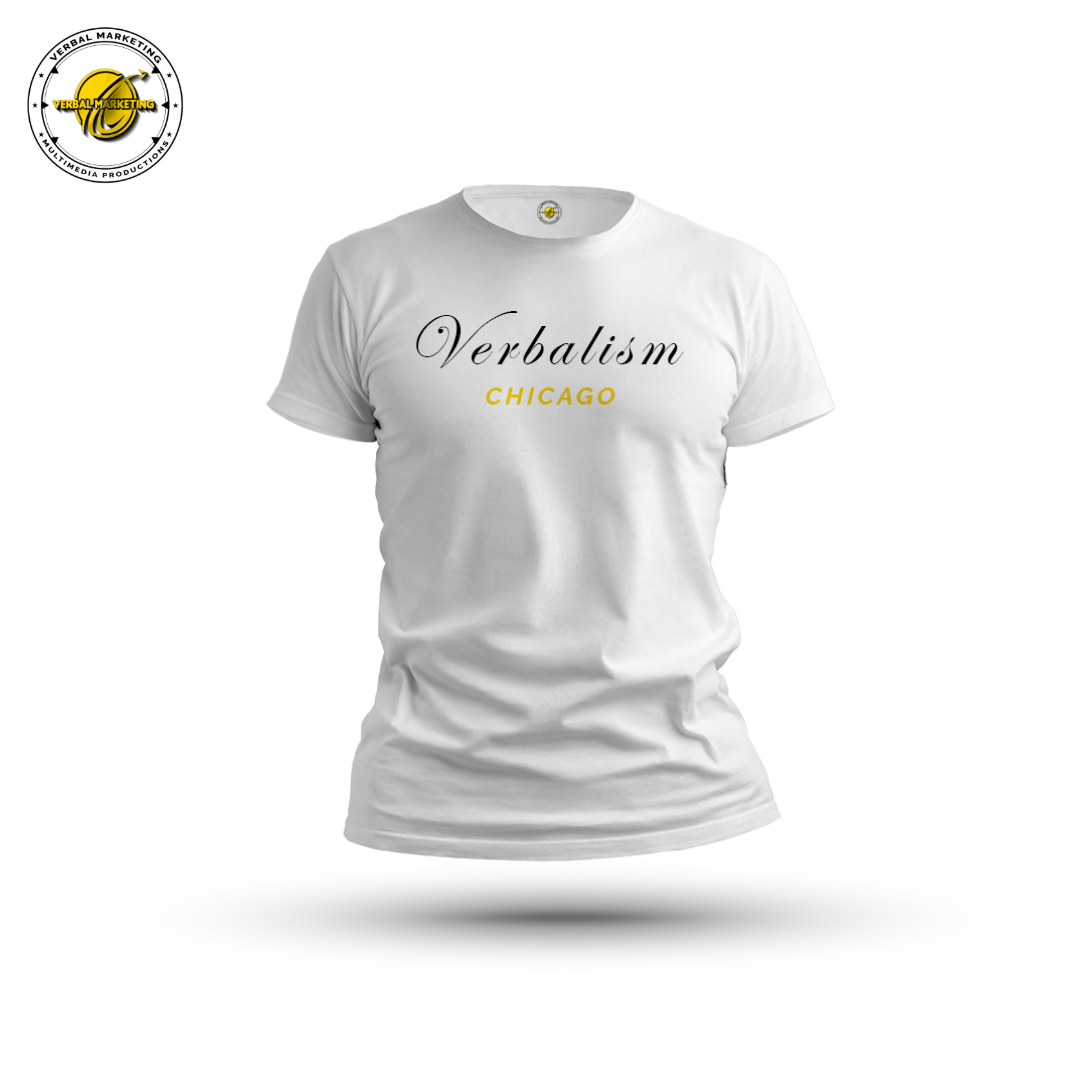
VERBALISM | OFF-WHITE | SIGNATURE COLLECTION T-SHIRT
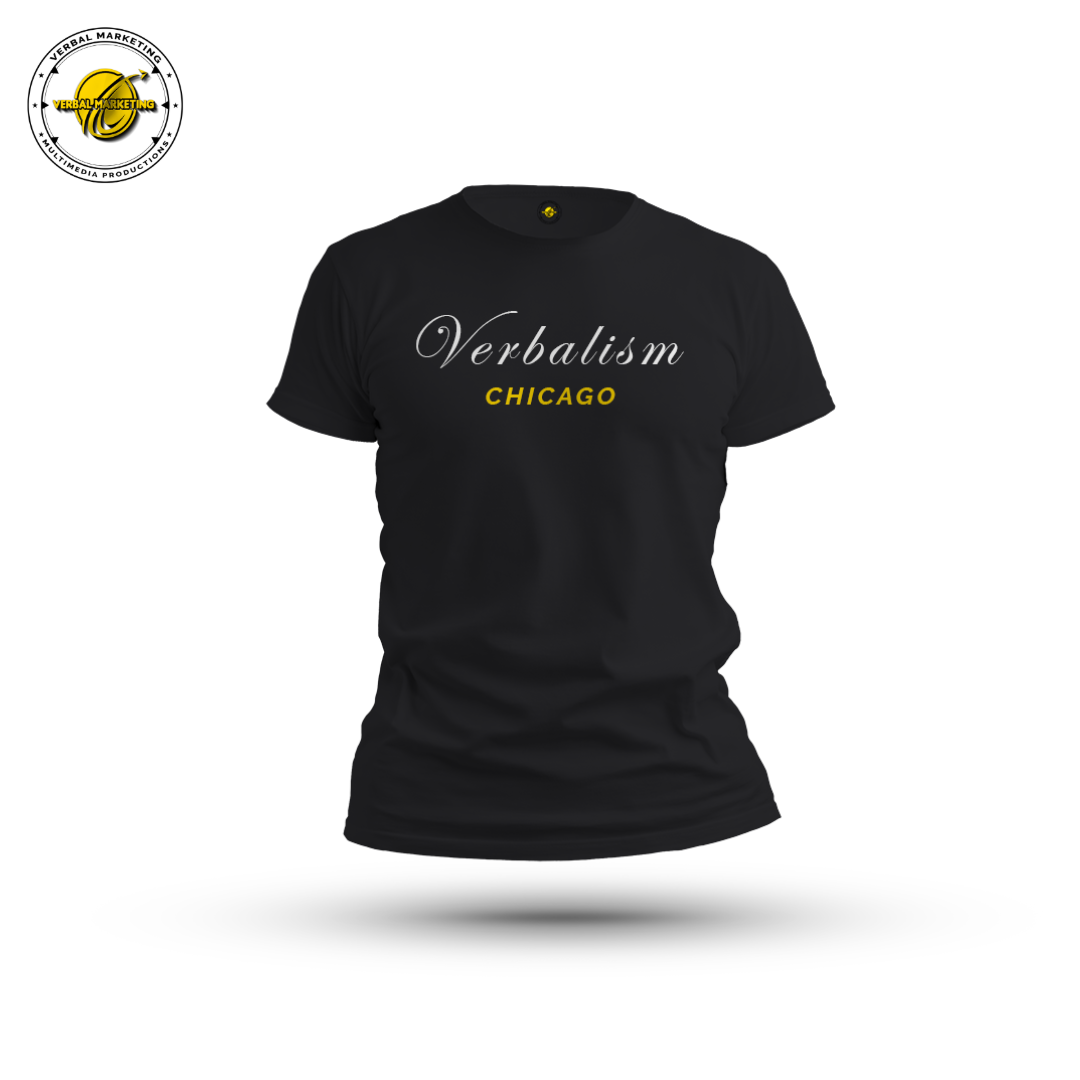
VERBALISM | SOUTHSIDE BLACK | SIGNATURE COLLECTION T-SHIRT
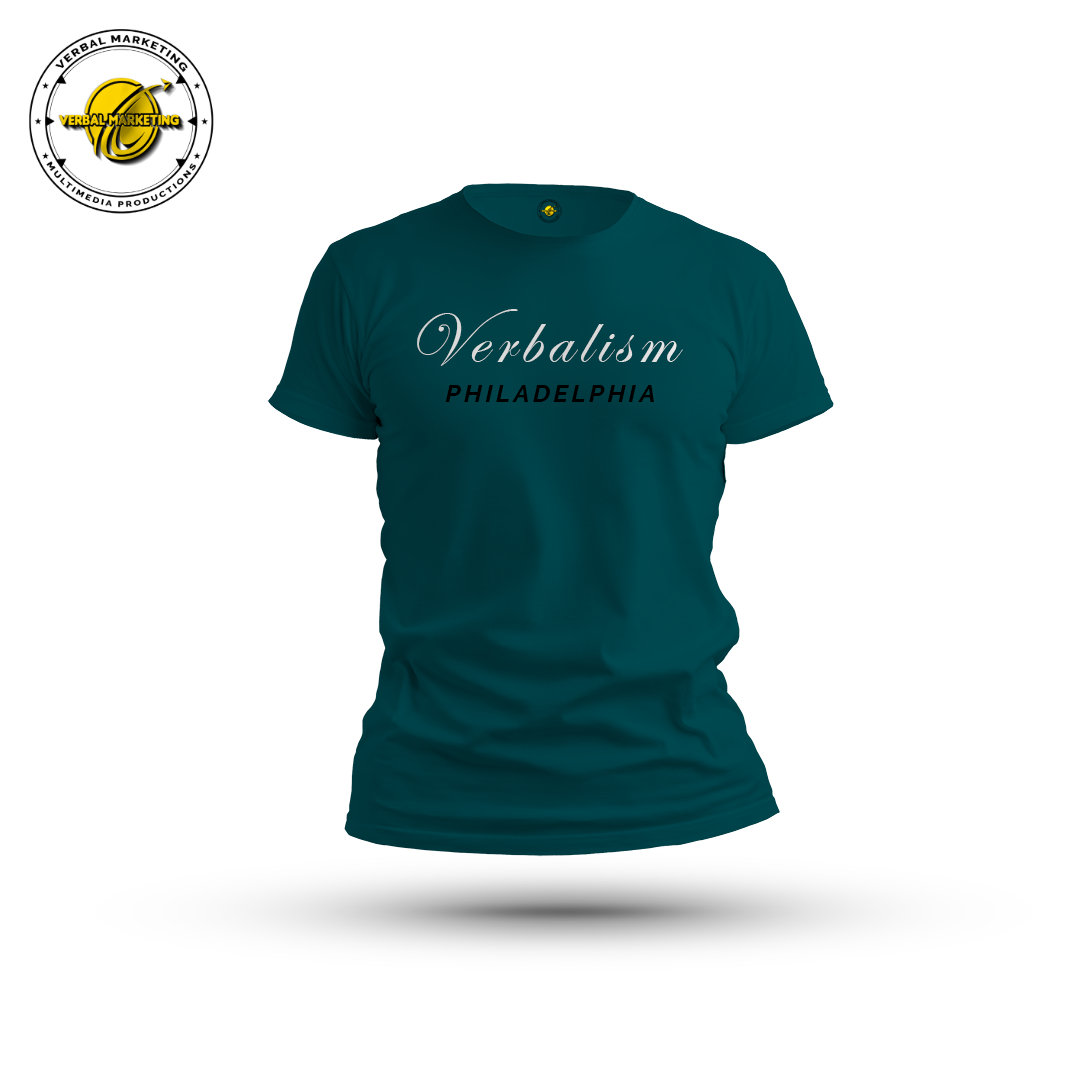
VERBALISM | MIDNIGHT GREEN | SIGNATURE COLLECTION T-SHIRT
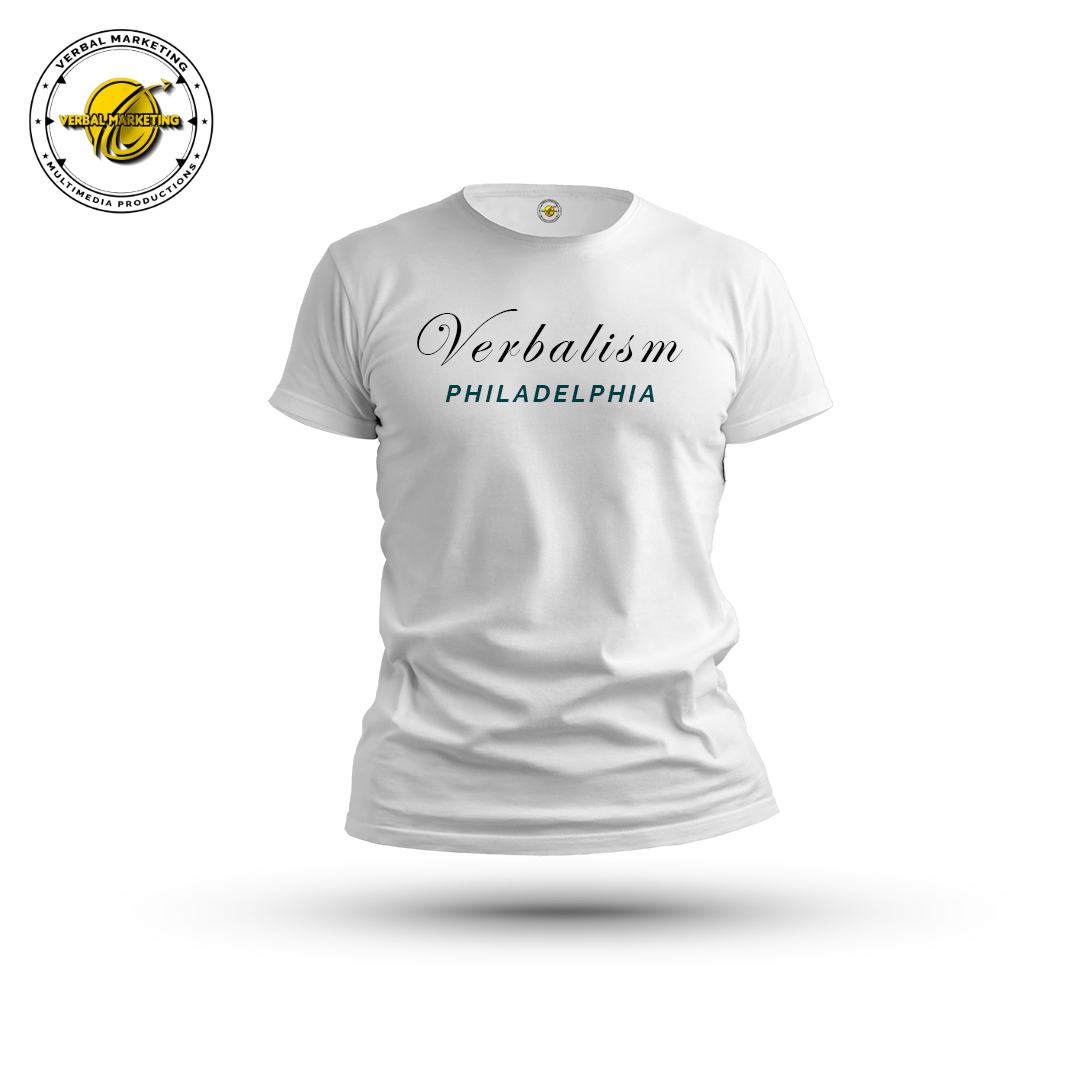
VERBALISM | PHILLY CLASSIC | SIGNATURE COLLECTION T-SHIRT
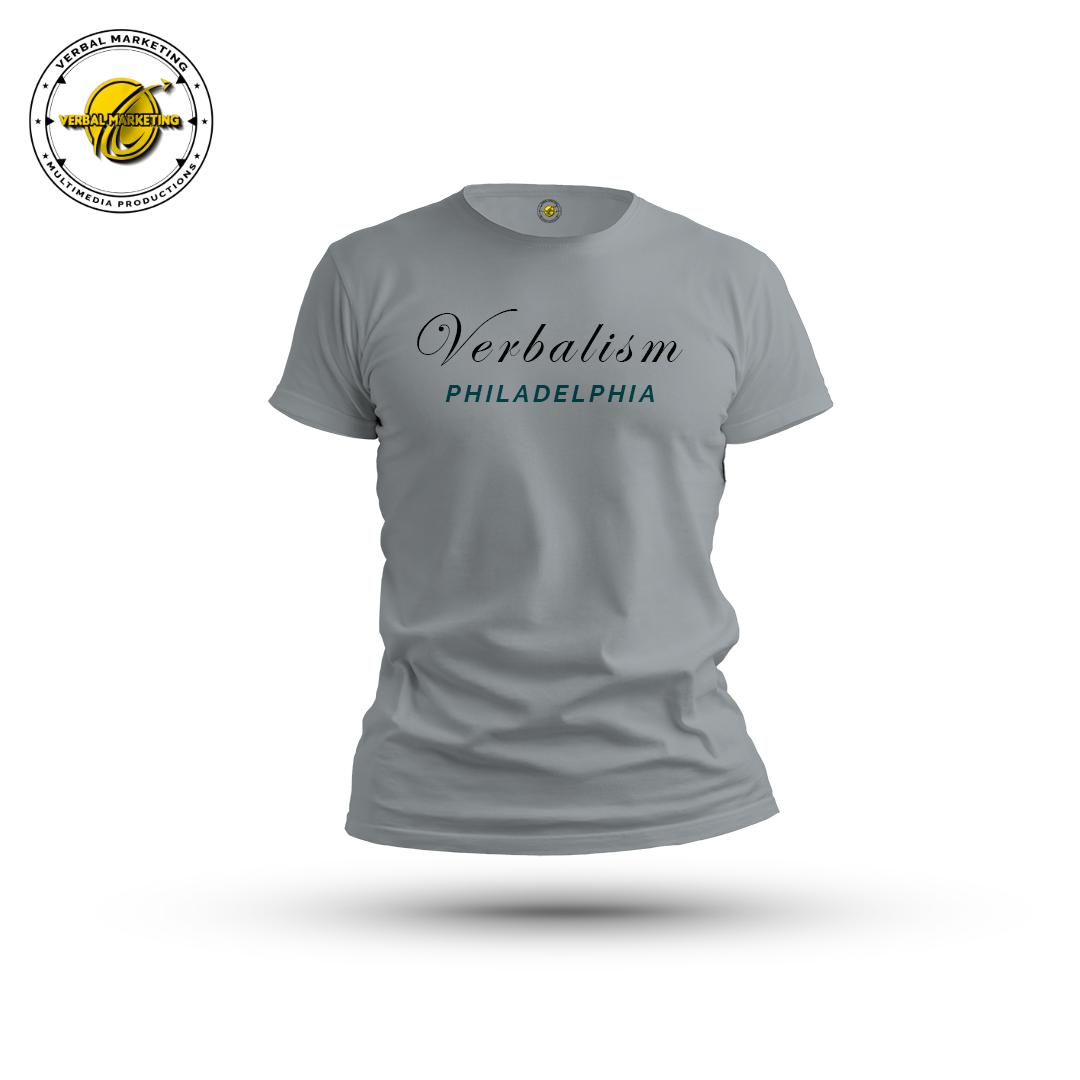
VERBALISM | SILVER EAGLE | SIGNATURE COLLECTION T-SHIRT
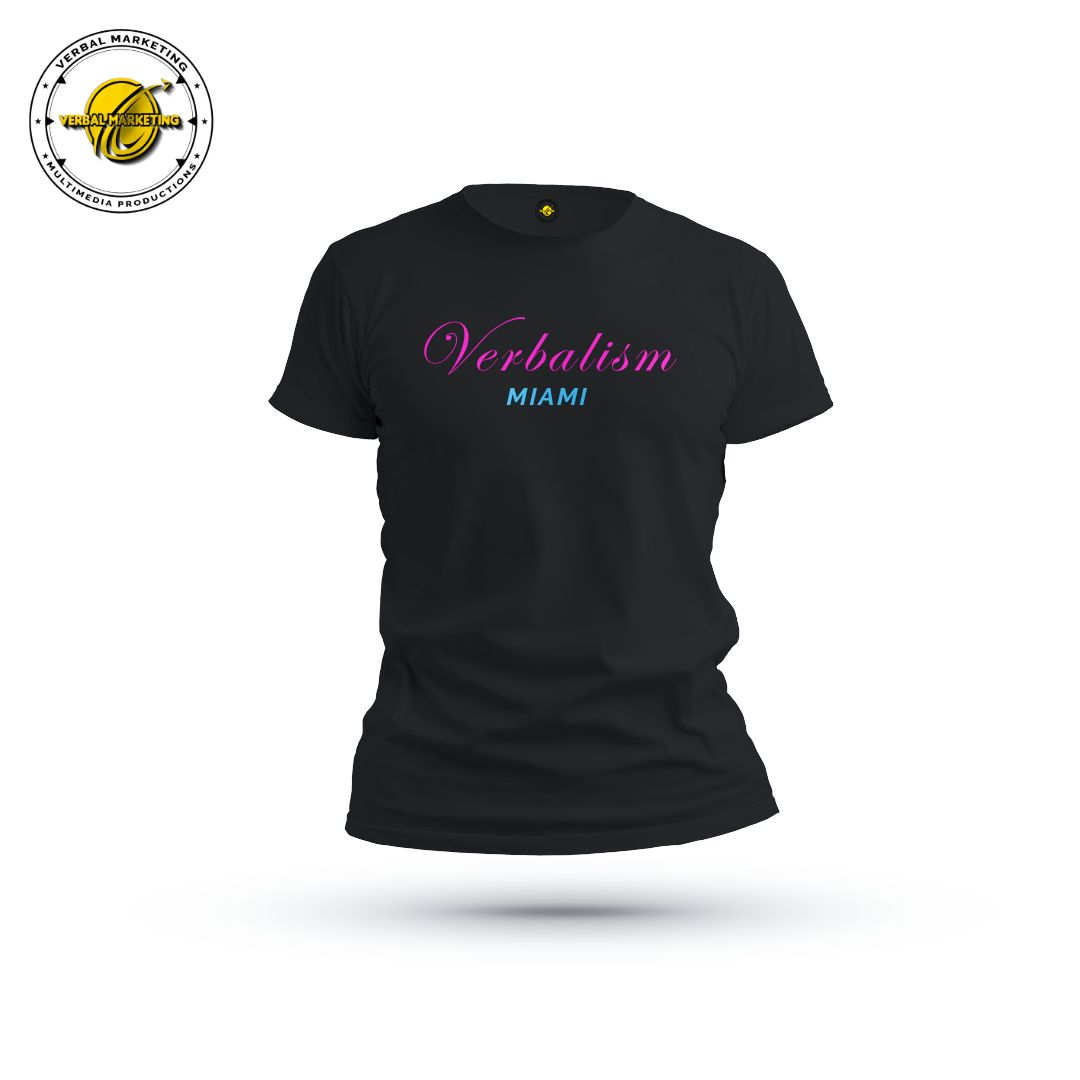
VERBALISM | BRICKELL BLACK | SIGNATURE COLLECTION T-SHIRT
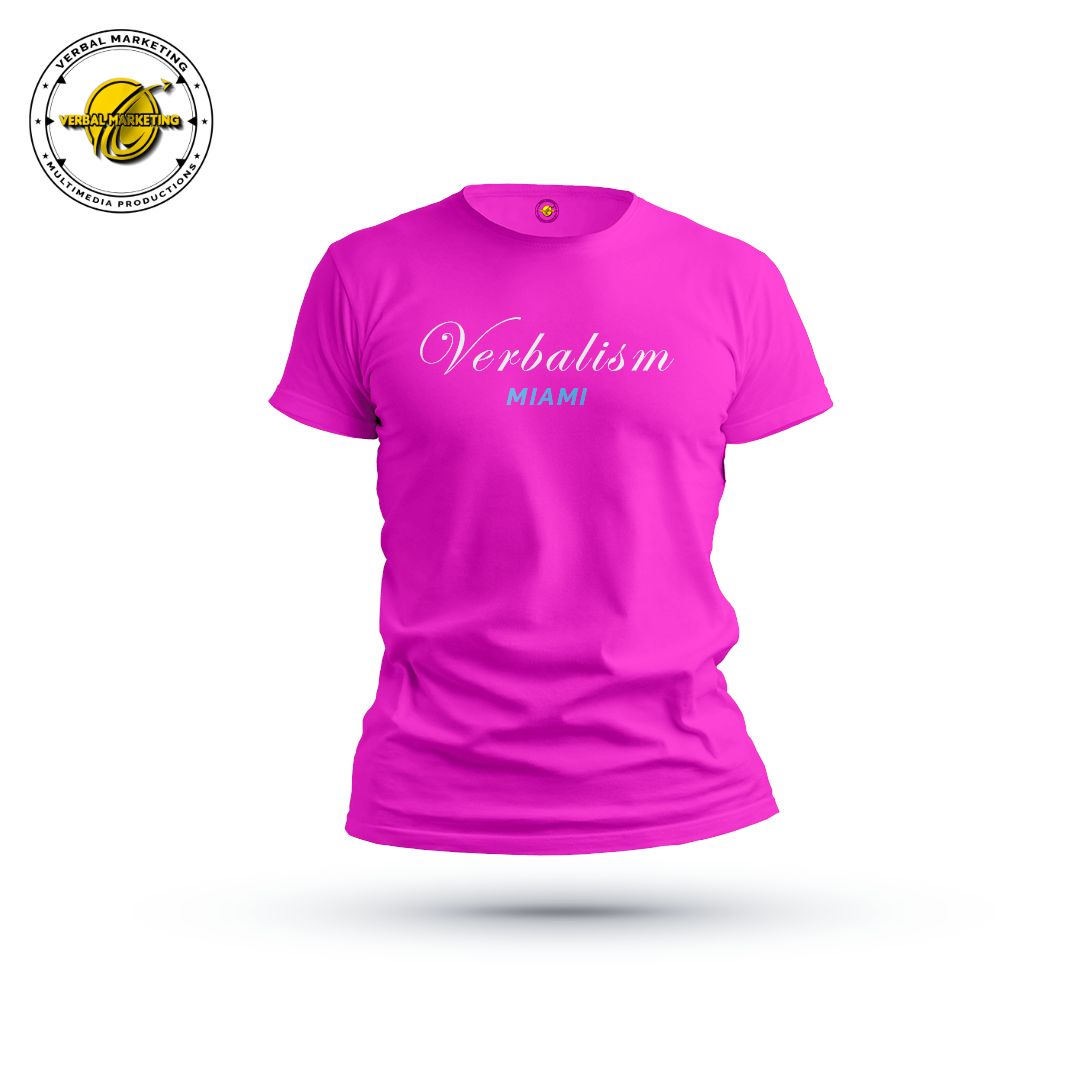
VERBALISM | WYNWOOD FUCHSIA | SIGNATURE COLLECTION T-SHIRT
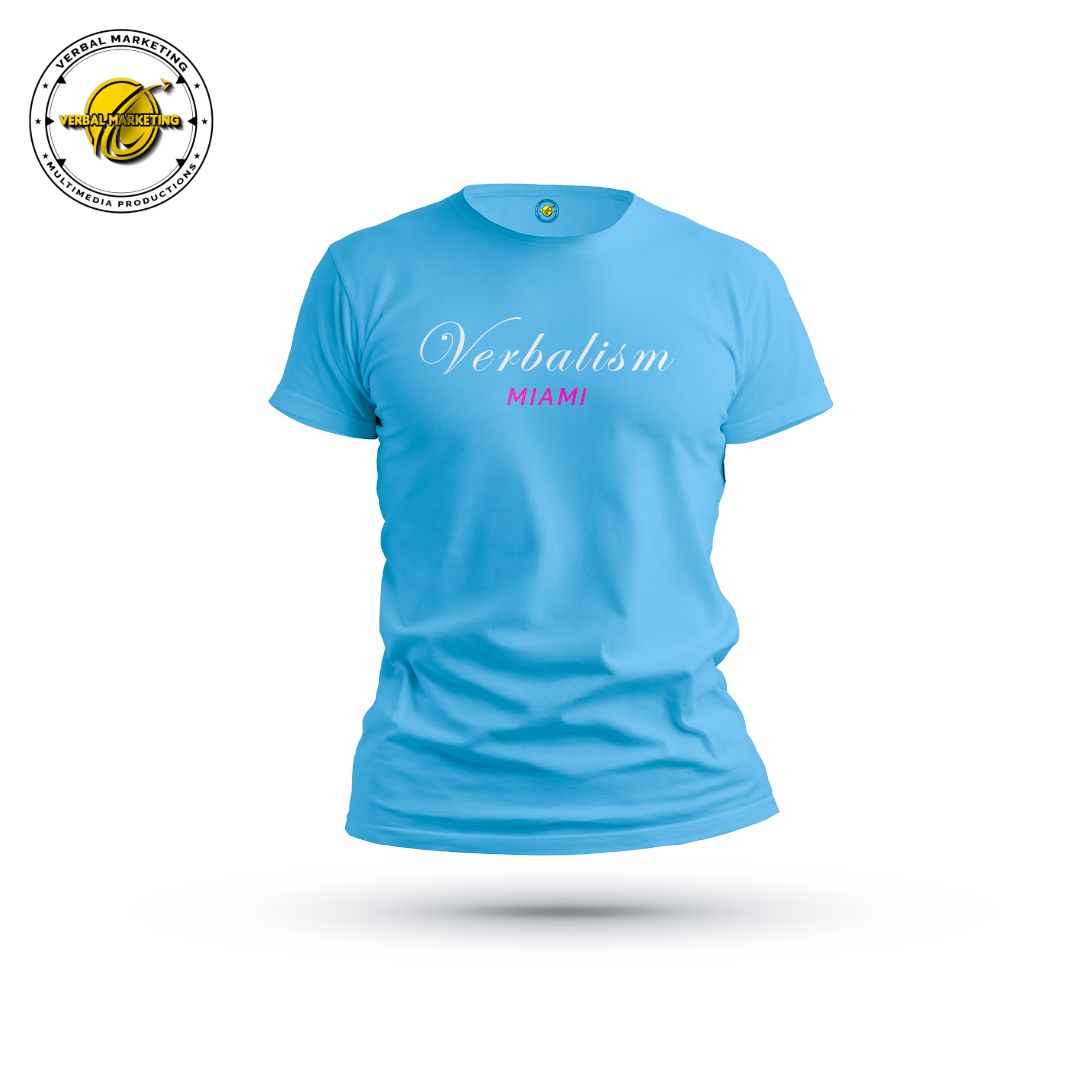
VERBALISM | BISCAYNE BLUE | SIGNATURE COLLECTION T-SHIRT


